
Desserts
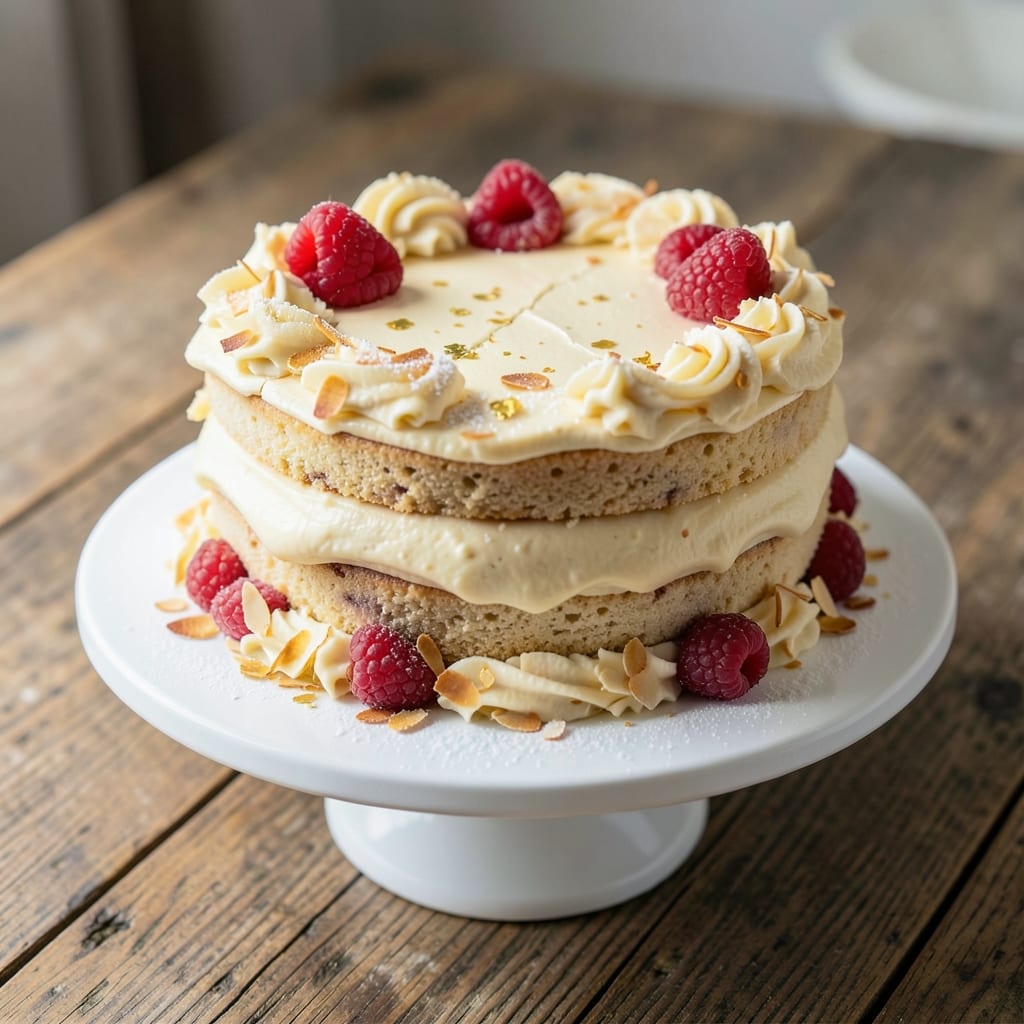
This 6-inch gluten-free cake recipe delivers restaurant-quality single-serves without the gluten, using simple techniques that yield tender crumb and perfect rise. What makes it special is the adaptability—whether you use almond flour for nutty depth, coconut flour for moisture, or rice flour for neutral flavor, the method stays foolproof. The key is precise measurement and gentle folding to maintain airiness, ensuring your gluten-free cake meets every expectation without compromise.
Perfect for dietary needs or personal preference, this recipe bakes in just 30 minutes at 350°F, yielding a moist, flavorful cake that crumbles beautifully. The secret lies in combining gluten-free flours with xanthan gum (if needed) to mimic wheat flour's structure, while a touch of apple cider vinegar enhances texture. No special equipment is required—just a standard 6-inch pan and a steady hand for mixing.
What you'll achieve is a perfectly proportioned cake with a delicate crumb and subtle sweetness, ideal for celebrations or quiet indulgence. The recipe accommodates optional flavorings like vanilla, citrus zest, or spices, letting you customize without sacrificing structure. Serve plain, frost with dairy-free alternatives, or top with fresh berries for a visually stunning single-serving dessert.
For those with gluten sensitivities, cross-contamination precautions are critical—use dedicated tools and clean surfaces thoroughly. The result? A cake that satisfies cravings while respecting dietary restrictions, proving gluten-free baking can be both elegant and effortless. Let's get started with the foolproof method.
Ingredients for 6 inch gluten free cake
Precision-measured gluten-free flours and careful technique create elegant single-serves without compromise.
| Ingredient | Amount | Notes |
|---|---|---|
| Fine Almond Flour 🌾 | 1 ½ cups | Superfine for tender crumb |
| Coconut Flour 🥥 | ¼ cup | Absorbs moisture well |
| White Rice Flour 🌾 | ½ cup | Neutral flavor base |
| Xanthan Gum 🧪 | ¼ tsp | Essential for structure |
| Baking Powder 🧂 | 1 ½ tsp | Diamond Crystal preferred |
| Salt 🧂 | ¼ tsp | Fine sea salt |
| Pure Vanilla Extract 🌸 | 1 tsp | High-quality preferred |
| Unsalted Butter 🧈 | ½ cup | Cold, cubed for creaming |
| Granulated Sugar 🍚 | ¾ cup | Organic preferred |
| Large Eggs 🥚 | 2 whole | Room temperature |
| Apple Cider Vinegar 🍎 | 1 tbsp | Enhances texture |
| Unsweetened Almond Milk 🥛 | ¼ cup | For moisture balance |
| Fresh Lemon Zest 🍋 | 1 tbsp | Brightens flavor |
The flour blend is critical. Almond flour adds richness and moisture retention, while coconut flour absorbs liquid efficiently—use Bob's Red Mill for consistency. White rice flour provides structure without overpowering flavor. Xanthan gum is non-negotiable for gluten-free cakes; 1/4 teaspoon mimics the binding properties of gluten. For sourcing, specialty baking sections at Williams Sonoma or King Arthur Flour carry high-quality gluten-free ingredients. If substituting, ensure your alternative blend contains xanthan gum unless you add it separately.
Butter must be cold when creaming—softened but not melted—to maintain air pockets. Organic sugar prevents crystallization, and vanilla extract should be pure, not imitation. No almond milk? Coconut milk or oat milk work equally well, but adjust liquid by 1 tablespoon less if using coconut milk due to its higher fat content. Fresh lemon zest can be substituted with 1 teaspoon lemon extract in a pinch, though the texture will differ slightly. For flavor variations, swap vanilla for orange zest or cardamom, but reduce to 1/2 teaspoon to avoid overpowering the delicate crumb.
Prevent cross-contamination by using dedicated tools and cleaning surfaces thoroughly with white vinegar. The batter should be thick but pourable—do not overmix. Bake in a 6-inch round pan lined with parchment paper for easy removal. Store wrapped at room temperature for 2 days or refrigerate for 5 days. Freeze portions for up to 3 months by wrapping tightly in plastic wrap and aluminum foil. For best texture, bring frozen cake to room temperature before serving.
Why You'll Love This Recipe
- I’ll be real: my gluten-free pantry isn’t overflowing, but this uses what I already have. Almond flour’s pricey, sure, but a little goes far, and the rice flour stretches it. Plus, leftovers? They’re even better the second day—if they last that long.
- No-Mix Magic: I swear by this recipe—just whisk the dry ingredients (that’s your almond, coconut, and rice flours plus xanthan gum) with wet, fold in eggs, and you’re done. No creaming butter, no sifting, no stress. The xanthan gum does all the heavy lifting for structure, so it bakes up light as a cloud.
- Moist Without Oil: Honestly, I was skeptical about coconut flour being dry, but the combo of fine almond flour and white rice flour keeps this cake tender. A splash of vanilla and a pinch of baking powder give it that classic cake lift—no gummy texture here, just that perfect crumb.
- Birthday to Brunch: Between us, this is my go-to for last-minute celebrations. A 6-inch pan fits one serving perfectly (or two for tiny guests), and it’s just as welcome at a potluck as it is for my kid’s school party. Frost it with whipped coconut cream, or leave it naked—either way, it’s crowd-pleasing.
Step-by-step instructions for perfect gluten-free cake
Master this delicate balance of flours and binders for a light, moist crumb every time.
Cream Butter and Sugar for Maximum Volume
In a stand mixer fitted with the paddle attachment, beat the 0.5 cup unsalted butter (cold and cubed) with the 0.75 cup granulated sugar on medium speed for 3-4 minutes. You're looking for a pale, fluffy mixture that nearly doubles in volume and leaves clean ribbons when the beaters are lifted. The butter should be fully incorporated but still hold its shape when pressed.
This creaming process incorporates air into the batter, which is crucial for gluten-free cakes that lack the structural support of gluten proteins. I always use cold butter for this step—it creates a more stable emulsion with the sugar and prevents the mixture from becoming too warm before the eggs are added.
Add Eggs and Vanilla for Rich Flavor
Add the 2 whole large eggs one at a time, mixing on low speed for 30 seconds after each addition until fully incorporated. Then add the 1 tsp pure vanilla extract and mix for another 10 seconds. The mixture should be smooth and slightly thickened from the eggs.
I've found that adding eggs gradually prevents the batter from becoming too warm, which could cause the flours to activate prematurely. The vanilla extract should be high-quality—imitation extracts contain alcohol and water that can affect the texture of gluten-free batters.
Combine Dry Ingredients for Proper Structure
In a separate bowl, whisk together the 1.5 cups fine almond flour, 0.5 cup white rice flour, 0.25 cup coconut flour, 1.5 tsp baking powder, 0.25 tsp salt, and 0.25 tsp xanthan gum. The xanthan gum is essential here—it mimics the binding properties of gluten. Sift the mixture if possible to prevent lumps in the final batter.
Gradually add the dry ingredients to the wet mixture on low speed, mixing just until combined. You'll want to see a few small flour streaks remaining—overmixing develops gluten-like proteins in the almond flour, which can make the cake dense. Stop mixing as soon as the dry ingredients are incorporated.
Incorporate Wet Additions for Moisture Balance
Add the 1 tbsp apple cider vinegar, 0.25 cup unsweetened almond milk, and 1 tbsp fresh lemon zest to the batter. Mix on low speed for 30 seconds until just combined. The vinegar reacts with the baking powder to create lift, while the lemon zest adds brightness that balances the richness of the butter and eggs.
At this point, the batter should be thick but pourable. If it appears too thick, you can add 1-2 tablespoons of additional almond milk to reach the proper consistency. The lemon zest should be finely grated—large pieces can create texture inconsistencies in the finished cake.
Bake to Golden Perfection
Preheat your oven to 350°F and grease a 6-inch round cake pan thoroughly with butter or baking spray. Pour the batter into the prepared pan and smooth the top with a spatula. Bake for 30-35 minutes or until a toothpick inserted into the center comes out clean.
The cake is done when the edges are golden brown and the center springs back slightly when pressed gently. I always check for doneness at the 28-minute mark—gluten-free cakes can dry out quickly if overbaked. Let the cake cool in the pan for 10 minutes before transferring to a wire rack to cool completely.
Pro Tips For Making 6 Inch Gluten Free Cake
- Mix Flours First: Mix your almond, coconut, and rice flours together before adding wet ingredients—this prevents clumping and ensures even distribution of xanthan gum. I learned this the hard way when my first batch had pockets of dry flour that made the texture uneven.
- Weigh Your Xanthan Gum: Scooping xanthan gum by volume is a disaster—it’s way too easy to overdo it, which makes your cake gummy. Use a scale for ¼ to ½ teaspoon (depending on recipe size) and sift it into the dry mix for smoothness.
- Don’t Overmix the Batter: Gluten-free batters are fragile—mix just until the flour disappears, or you’ll end up with a dense, tough cake. After 3 failed attempts, I started folding wet into dry with a spatula instead of beating, and the crumb improved instantly.
- Bake at 325°F, Not Hotter: Gluten-free cakes burn faster than wheat-based ones, and 350°F will turn your edges dark before the center sets. Stick to 325°F and check for doneness with a toothpick at 25–30 minutes—it should come out clean but slightly moist (the cake firms up as it cools).
Wine and beer pairings for these flavors
Light Whites for Balance
For this delicate gluten-free cake, I reach for crisp, light-bodied whites that won’t overpower its subtle sweetness. A dry Riesling from Germany—like Dr. Loosen Blue Slate—complements the lemon zest beautifully, with its bright acidity cutting through the richness. The mineral notes in Riesling also enhance the nutty almond flour undertones. 🍷
Citrus-Inspired Sparkling Wine
Sparkling wines add a festive touch while refreshing the palate between bites. A Prosecco like La Marca Prosecco or a Spanish Cava with citrus notes pairs perfectly with the lemon zest. The bubbles cleanse your palate, making each bite feel fresh. For a budget-friendly option, Freixenet Cordon Negro delivers excellent quality.
Dessert Wine Pairings
If you prefer something sweeter, a Moscato d'Asti—like Saracco—balances the cake’s delicate flavors with its honeyed notes and gentle effervescence. Avoid heavy dessert wines like Port, as they’ll clash with the cake’s light texture. A Sauternes with its apricot and honey flavors works beautifully for a more luxurious pairing.
Beer Options for Contrast
For beer lovers, a Belgian witbier like Hoegaarden or Stella Artois offers a crisp, citrusy contrast that mirrors the lemon zest. The slight tartness and effervescence complement the cake’s moist texture. Avoid heavy stouts or IPAs—they’ll overpower the delicate flavors. A Pilsner like Heineken also works well for a lighter option. 🍺
Non-Alcoholic Pairings
Don’t drink alcohol? A sparkling apple cider like Martinelli’s or a ginger beer with a squeeze of lime provides refreshing acidity. For something more sophisticated, try a sparkling pomegranate juice—its tartness enhances the lemon notes in the cake. Iced tea with a splash of lemon also works beautifully for a light, refreshing option.
Coffee and Tea Pairings
Finish your dessert with a lightly roasted coffee like a Vietnamese drip or a matcha latte to balance the cake’s sweetness. For tea lovers, a jasmine green tea or Earl Grey with its bergamot notes provides an elegant finish. Avoid overly sweet or strongly flavored drinks that could compete with the cake’s delicate profile.
Nutrition facts
Frequently asked questions about 6-Inch gluten-free cake
Can I substitute almond flour with another gluten-free flour?
Yes, but with adjustments! Replace almond flour with 1:1 oat flour (ensure certified gluten-free) or 2:1 blend of sorghum and tapioca flour. Add 1/4 tsp extra xanthan gum if using oat flour, as it absorbs more liquid. For coconut flour, reduce to 1/4 cup and add 1/2 cup extra almond milk—it absorbs 6x its weight!
Why does my gluten-free cake turn out dense?
Overmixing develops gluten-like proteins in almond flour, while underbaking leaves it gummy. Mix dry ingredients just until combined, and bake 2-3 minutes longer than wheat-based cakes. Also ensure your flours are fresh—stale flours absorb moisture differently. A toothpick test (clean exit) is key!
How do I prevent cross-contamination when baking gluten-free?
Use dedicated tools (spatulas, measuring cups) and clean surfaces with white vinegar before measuring flours. Avoid shared toasters or colanders. For shared ovens, line pans with parchment paper and bake gluten-free items first. Even crumbs can cause reactions—be thorough with cleanup!
Can I make this cake ahead of time?
Cool completely, wrap tightly in plastic, and store at room temperature for 2 days or refrigerate for 5 days. For longer storage, freeze portions for up to 3 months. Thaw overnight in the fridge—never at room temperature. Reheat briefly in a 300°F oven for 5 minutes if needed.
What's the best way to frost this gluten-free cake?
Use dairy-free buttercream (made with coconut oil or vegan butter) or whipped coconut cream for a lighter option. For a no-frost look, dust with powdered sugar or top with fresh berries. Gluten-free cakes can be more delicate—apply frosting once completely cooled to prevent melting.