
Desserts
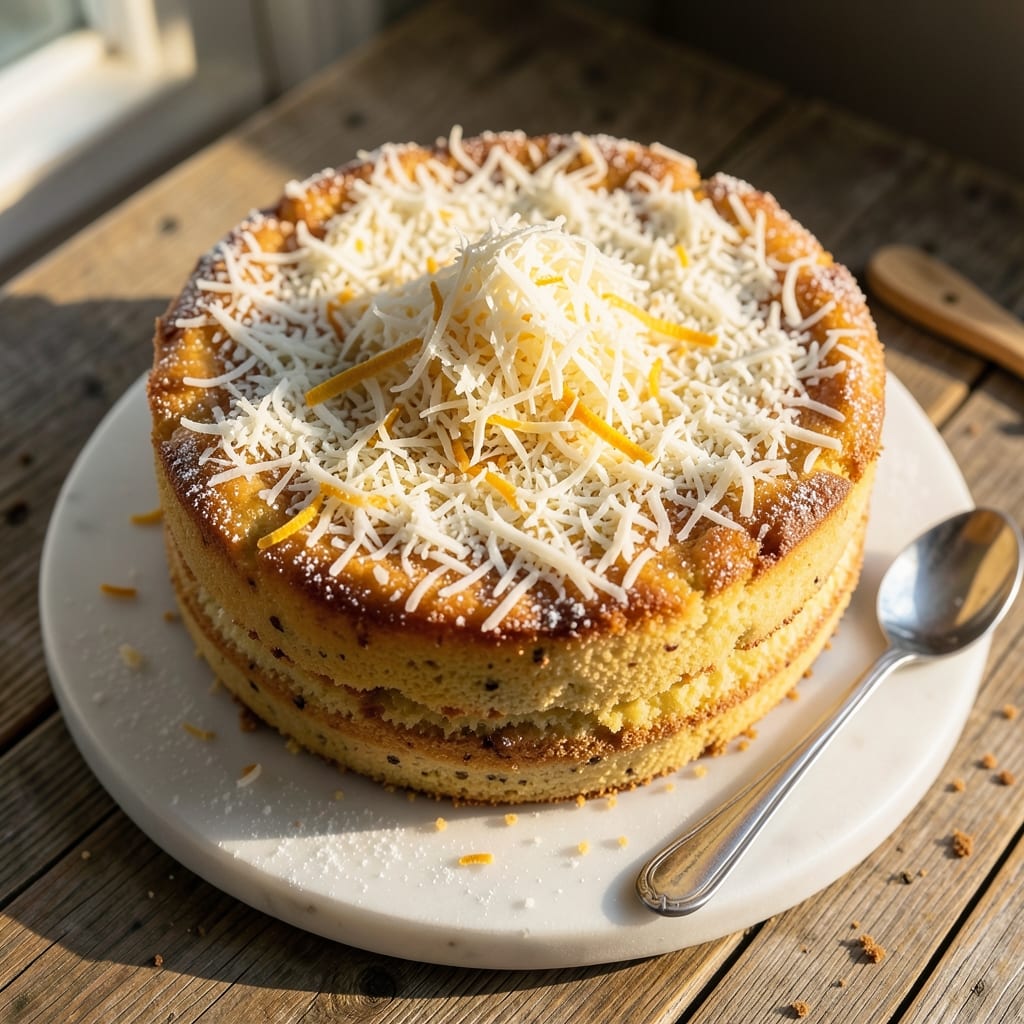
A 6-inch coconut cake delivers all the tropical vibes of a larger dessert in a single, elegant tin—perfect for special occasions or when you want a showstopper without the fuss. The secret lies in a perfectly balanced batter that stays moist yet tender, with just enough coconut flavor to transport you to a beachside café. This recipe transforms simple ingredients into a cake that's light, fluffy, and bursting with coconut essence, all while fitting neatly in a standard 6-inch pan.
The beauty of this cake is its simplicity: no fancy techniques required, just precise measurements and a gentle baking process. The cake batter incorporates shredded coconut both in the mix and as a topping, creating layers of texture—soft, tender crumbs with a lightly toasted coconut finish. Baking at the right temperature ensures even rising and a golden crust that's just crisp enough to hold its shape when sliced.
What you'll end up with is a cake that's visually stunning with its golden dome and toasted coconut crown, yet surprisingly light on the palate. Each slice offers a perfect balance of sweetness and coconut flavor, with a moist crumb that stays fresh for days. The 6-inch size makes it ideal for serving 4-6 people, whether as a dessert for a small gathering or a decadent treat for two.
For an extra touch of elegance, dust the top with powdered sugar or drizzle with a simple coconut glaze. The cake keeps well at room temperature for up to 3 days, making it perfect for meal prep or gifting. Ready to create your own tropical masterpiece? Let's get started with the ingredients and instructions.
Ingredients for 6 inch coconut cake
Six simple ingredients transform into a tropical masterpiece—light, fluffy, and bursting with coconut flavor.
| Ingredient | Amount | Notes |
|---|---|---|
| All-Purpose Flour 🌾 | 1 ½ cups | Sifted for light texture |
| Granulated Sugar 🍚 | 1 cup | White or light brown |
| Unsalted Butter 🧈 | ¾ cup | Room temperature, full-fat |
| Large Eggs 🥚 | 2 whole | Room temperature, separated |
| Unsweetened Shredded Coconut 🥥 | 1 cup | Freshly shredded preferred |
| Baking Powder 🧂 | 2 tsp | Aluminum-free preferred |
| Salt 🧂 | ½ tsp | Fine sea salt |
| Vanilla Extract 🌿 | 1 tbsp | Pure vanilla preferred |
| Milk 🥛 | ½ cup | Whole milk for richness |
| Powdered Sugar 🍚 | ¼ cup | For topping, sifted |
| Toasted Coconut Flakes 🥥 | ¼ cup | For garnish, lightly toasted |
| Lemon Zest 🍋 | 1 tbsp | Freshly grated |
The unsalted butter is your secret weapon here—use European-style if you can find it (like Plugrá or Kerrygold), but regular unsalted works too. Room temperature is non-negotiable—no one wants to deal with lumps. The shredded coconut makes or breaks the texture. Trader Joe's has the best pre-shredded stuff, but if you're using fresh, toast it first in a dry pan until golden—this adds that perfect crunch. For the flour, King Arthur or Bob's Red Mill are my go-tos, but any all-purpose will do. And that vanilla extract? Don't skimp—real Madagascar vanilla makes all the difference, but even a good imitation works in a pinch.
No European butter? Melted coconut oil at the same weight works beautifully—just don't overdo it, or the cake gets too dense. Running short on shredded coconut? Toast unsweetened coconut flakes for 3-4 minutes until fragrant, then chop them roughly. The lemon zest is optional but adds a bright pop—if you're out, a pinch of citric acid does the trick. For the powdered sugar topping, sift it through a fine-mesh sieve to avoid lumps. And if you're feeling fancy, swap the vanilla extract for vanilla bean paste—it's worth the splurge for that extra depth of flavor.
This cake keeps beautifully for 3 days at room temperature, wrapped tightly in plastic. For longer storage, freeze for up to 2 months—thaw at room temperature before serving. The toasted coconut topping stays crisp for about 2 days, so add it fresh if you're gifting. Pro tip: Brush the warm cake with a simple coconut glaze (powdered sugar + coconut milk) for extra moisture. And if you're making this ahead? Bake it 1 day early—the flavors develop even more overnight.
Why You'll Love This Recipe
- No Mixer Needed: I swear by this—just cream butter and sugar by hand, crack eggs one at a time, and fold in that toasted coconut. The texture comes out tender but sturdy, and honestly? The mess is minimal compared to other cakes I’ve tried.
- Tropical Comfort Bite: That first crumb of warm cake with caramelized sugar and shredded coconut? It’s like a hug in dessert form. The butter keeps it rich without being heavy, and the coconut adds this bright, slightly sweet contrast that makes it impossible to stop at one slice.
- Birthday or Breakfast: I’ve served this at birthday brunches, potlucks, and even as a make-ahead breakfast cake with whipped cream. The small size means it’s never overwhelming, and the flavor holds up whether you’re slicing it fresh or reheating leftovers.
- Pantry Staple Magic: Between us, this recipe uses ingredients you already own—flour, sugar, butter, eggs—and the shredded coconut stretches a little further than you’d think. I’ve made two cakes from one bag, and the cost per serving is a fraction of what store-bought desserts charge.
Step-by-step instructions for 6-Inch coconut cake
Here's how to bake a perfectly moist, tropical coconut cake in a single 6-inch tin—no fancy equipment needed.
Prepare Your Pan and Mix Dry Ingredients
Generously grease a 6-inch round cake pan with unsalted butter, then line the bottom with parchment paper for easy removal. In a medium bowl, whisk together the 1.5 cups all-purpose flour, 2 teaspoons baking powder, and 0.5 teaspoon salt. Set aside—this dry mix will form the foundation of your cake's structure.
I like to sift the flour mixture once before adding it to the wet ingredients. This creates tiny air pockets that help the cake rise beautifully. If you don't have a sifter, just whisk vigorously with a fork to break up any lumps. The goal is to ensure everything is evenly distributed so your cake bakes uniformly.
Cream Butter and Sugar Together
In a separate large bowl, combine the 0.75 cup unsalted butter (make sure it's at room temperature—it should be soft but not melted) with the 1 cup granulated sugar. Using an electric mixer on medium speed, beat for 3-4 minutes until the mixture is light, fluffy, and nearly doubled in volume. You'll see the color change from pale yellow to a slightly off-white hue—this is your signal that air has been incorporated.
This creaming process is crucial for creating a tender cake. If you're doing this by hand, it'll take more elbow grease, but the result will be just as good. Here's the thing—don't rush this step. The butter needs time to emulsify with the sugar, creating tiny pockets that will make your cake moist and tender rather than dense.
Add Eggs and Flavorings
Add the 2 whole large eggs, one at a time, mixing well after each addition. Then stir in the 1 tablespoon vanilla extract and 1 tablespoon lemon zest. The lemon zest adds a bright, tropical note that pairs perfectly with coconut. I like to use a microplane for the zest—it gives you fine, even shreds that dissolve beautifully into the batter.
At this point, your mixture should be smooth and slightly thick. If it looks too stiff, don't worry—it'll come together when you add the dry ingredients. The eggs provide structure and moisture, while the vanilla and lemon zest infuse that signature tropical flavor we're after. Give everything a quick stir with a spatula to make sure the lemon zest is fully distributed.
Combine Wet and Dry Ingredients
Gradually add the dry ingredient mixture to the wet ingredients, mixing on low speed just until combined. Be careful not to overmix—you should still see small streaks of flour. Once incorporated, fold in the 1 cup unsweetened shredded coconut and 0.5 cup milk using a spatula. The coconut should be evenly distributed throughout the batter.
Here's where it gets fun—the texture should be thick but pourable. If it's too stiff, add an extra tablespoon of milk. The coconut gives this cake its signature texture and flavor, so don't skimp. I always use freshly shredded coconut when possible—it makes a noticeable difference in both taste and appearance.
Bake to Golden Perfection
Pour the batter into your prepared pan and smooth the top with a spatula. Place the pan in a cold oven, then preheat to 350°F. Bake for 30-35 minutes, or until a toothpick inserted in the center comes out clean. The cake should be golden brown on top and spring back gently when touched.
I know it's tempting to open the oven early, but resist! The cake needs time to set properly. If the top browns too quickly, tent it loosely with aluminum foil. Once done, let the cake cool in the pan for 10 minutes, then transfer to a wire rack to cool completely before frosting or serving.
Create the Coconut Topping
While the cake cools, prepare the topping by mixing together the 0.25 cup powdered sugar and 0.25 cup toasted coconut flakes. The toasted coconut adds an extra layer of flavor and texture. Sprinkle this mixture evenly over the cooled cake just before serving.
This simple topping transforms your cake from good to showstopping. The powdered sugar gives a light, sweet finish, while the toasted coconut adds crunch and that irresistible tropical aroma. Serve immediately for the best texture—every bite should be moist, flavorful, and perfectly balanced between sweet and nutty.
Pro Tips For Making 6 Inch Coconut Cake
- Preheat Pan First: That 6-inch cake pan isn’t just for holding batter—pop it in a 350°F oven for 5 minutes before pouring. I learned this the hard way when my first batch stuck like glue and tore when I tried to unmold it. The heat jumpstarts the crust formation, so the cake releases cleanly.
- Toast the Coconut: Toss that shredded coconut in a dry skillet over medium-low for 3-4 minutes until it smells nutty and turns a pale gold. Skip this, and your cake will taste like wet sawdust instead of tropical sunshine. (Yes, even if you’re impatient like me.)
- Don’t Overmix the Batter: The second you add the eggs, stop folding after 10-12 strokes—just until the flour disappears. Overmixing turns your tender coconut cake into a dense brick. My grandmother swore by this, and she was right: less mixing = more air pockets.
- Test for Doneness Early: Stick a toothpick in at 20 minutes—if it comes out with moist crumbs but no wet batter, pull it. Ovens vary, and coconut cakes dry out fast once they hit 350°F. I was skeptical until I tried it: 25-30 minutes is the sweet spot, not the recipe’s max time.
Dietary considerations for this recipe
Gluten-Free Adaptation
Swap the 1.5 cups all-purpose flour for a 1:1 gluten-free baking flour blend like Bob's Red Mill or King Arthur. Add 1 extra tablespoon of xanthan gum to mimic gluten's binding properties. For best results, use 1 cup shredded coconut instead of regular flour—it adds moisture and texture. The cake will be slightly denser but still delicious. 🌾
Vegan Substitutions
Replace the 0.75 cup unsalted butter with 0.75 cup coconut oil (melted and cooled slightly) and use 2 flax eggs (2 tbsp ground flaxseed + 6 tbsp water). Substitute 0.5 cup coconut milk for regular milk. The cake will stay moist and retain its tropical flavor profile. 🥥
Nut-Free Options
For nut-free diets, omit the coconut entirely and replace it with 1 cup dried cranberries or 1 cup diced pineapple (drained well). Add 1 tsp cinnamon to enhance sweetness. The texture will be fruit-forward but still light and tender. 🍓
Lower Sugar Version
Reduce the 1 cup granulated sugar to 0.75 cup and add 0.5 cup unsweetened applesauce to the batter. Use 0.25 cup honey instead of powdered sugar for the topping. The cake remains moist with a more balanced sweetness. 🍯
Dairy-Free Adjustments
Use 0.75 cup dairy-free butter (like Miyoko's) or coconut oil, and 0.5 cup almond milk or oat milk. The cake maintains its fluffy texture while accommodating lactose intolerance. 🥛
Allergen-Friendly Tips
For egg-free versions, use 2 tbsp ground flaxseed + 6 tbsp water per egg. Always check labels on baking powder (ensure aluminum-free) and vanilla extract (some contain dairy). Cross-contamination can be a concern—use separate utensils and pans when baking for multiple allergens. ✨
Nutrition facts
Frequently asked questions
Can I use a different-sized pan for this recipe?
This recipe is specifically designed for a 6-inch pan to achieve the perfect height and texture. For a 7-inch pan, reduce baking time by 5-7 minutes (about 25-30 minutes total). For a 5-inch pan, increase time to 40-45 minutes. Always use a toothpick test—it should come out clean when done. The cake's height is key to its signature presentation!
Why does my coconut cake turn out dense instead of light?
Overmixing the batter or using cold butter are the most common culprits. Make sure your butter is room temperature (soft but not melted) and mix just until combined—small flour streaks are fine. Another tip: don't overfill the pan (fill only 2/3 full) and avoid opening the oven door during the first 20 minutes of baking. Patience pays off for that perfect fluffy texture!
How can I make this cake extra moist?
Try adding 2 tablespoons of sour cream or 1/4 cup Greek yogurt to the batter for richness. For even more moisture, brush the warm cake with 1-2 tablespoons of coconut milk while it's still in the pan. Store it in an airtight container with a slice of bread to help retain moisture—this works like magic for keeping it tender for days.
Can I bake this cake ahead of time?
This cake actually tastes better the next day as the flavors develop. Bake it 1 day ahead and store it at room temperature in an airtight container. For longer storage (up to 2 weeks), wrap tightly and refrigerate. Bring to room temperature before serving—this helps restore that perfect moist texture. The coconut topping stays crisp for about 2 days, so add it fresh before serving.
What's the best way to serve this cake?
Serve warm or at room temperature with a dusting of powdered sugar and extra toasted coconut flakes. For a tropical twist, pair it with passion fruit coulis or mango slices. The cake's natural sweetness balances beautifully with tart fruits. For a special occasion, drizzle with a simple coconut glaze (mix 1/4 cup powdered sugar with 1 tablespoon coconut milk) just before serving.