
Desserts
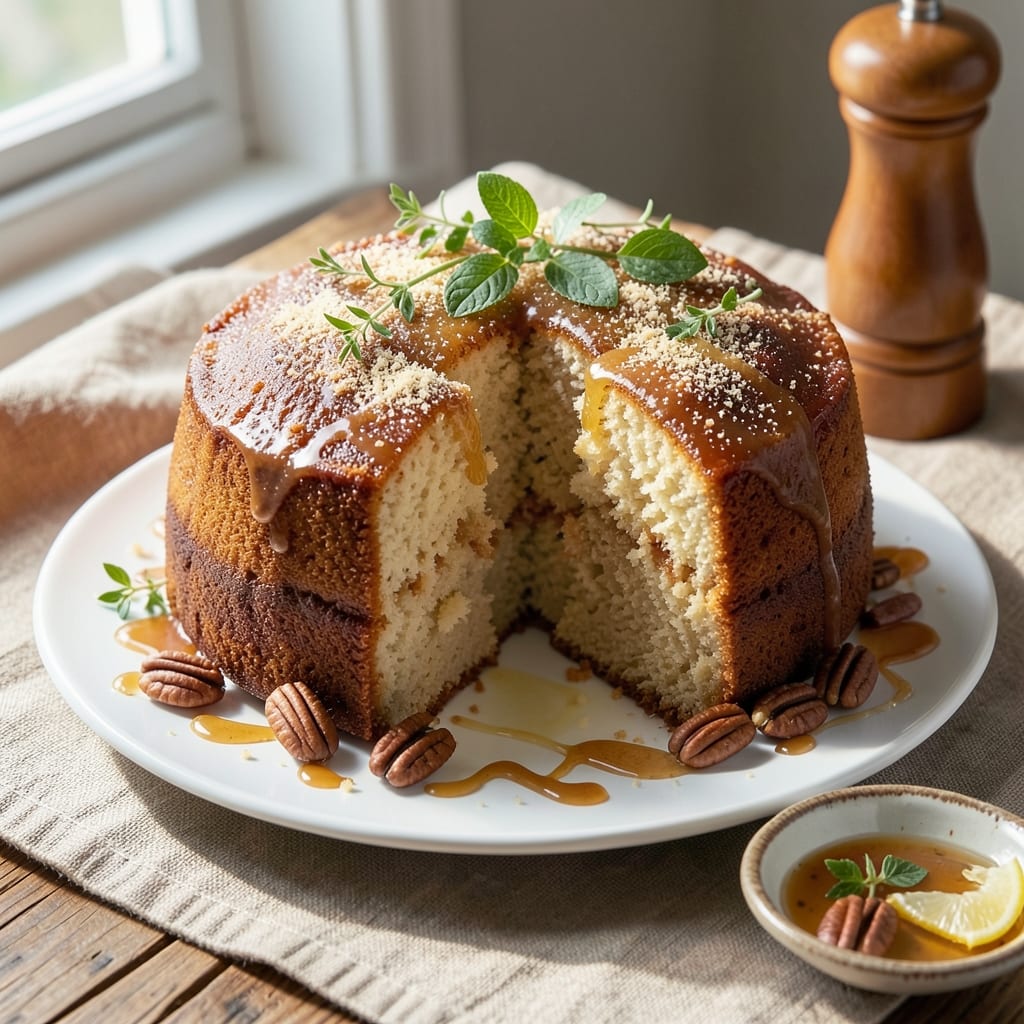
A 6-cup pound cake delivers that perfect balance of tender crumb and buttery, golden crown—every slice is a testament to classic baking done right. The secret lies in the ratio of ingredients: just 6 cups of flour yield a cake that’s rich yet light, with a texture so moist it stays fresh for days. This recipe stays true to tradition while adapting for modern ovens, ensuring foolproof results every time.
What sets this pound cake apart is its foolproof technique—creaming butter and sugar until light and fluffy creates air pockets that keep the cake tender. The addition of buttermilk adds moisture without altering the cake’s signature structure, while vanilla and nutmeg infuse warmth that lingers in every bite. Baking in a 9x5-inch pan ensures the perfect height-to-width ratio for slicing.
By the time it emerges from the oven, you’ll have a cake with a buttery crisp crown and a moist, crumbly interior that practically melts in your mouth. The aroma alone—warm vanilla and caramelized butter—will have everyone gathering around the kitchen. This is the kind of dessert that feels like a hug in cake form.
Serve it warm with a dusting of powdered sugar or save slices for days in an airtight container. Pair it with coffee, tea, or a glass of milk for the ultimate comfort experience. Let’s bake this classic with confidence.
Ingredients for 6 cup pound cake
Six simple ingredients transform into a cake with a buttery crown and moist crumb—every slice is pure comfort.
| Ingredient | Amount | Notes |
|---|---|---|
| Unsalted Butter 🧈 | 2 cups | Cold, cubed for creaming |
| Granulated Sugar 🍚 | 2 cups | Superfine preferred for smoothness |
| All-Purpose Flour 🌾 | 6 cups | Sifted, spooned lightly |
| Buttermilk 🥛 | 1 ½ cups | Room temperature preferred |
| Pure Vanilla Extract 🌸 | 2 tsp | High-quality for best flavor |
| Ground Nutmeg 🌿 | ½ tsp | Freshly grated preferred |
| Salt 🧂 | ½ tsp | Kosher or sea salt |
| Powdered Sugar 🍚 | ½ cup | For dusting the crown |
The butter and sugar combo is non-negotiable—use European-style butter like Plugrá or Land O'Lakes for extra richness. I always buy my flour in 5-pound bags from King Arthur—it bakes more reliably than store-brand. For the buttermilk, if you forget to grab it, mix 1.5 tbsp lemon juice or vinegar with 1.5 cups milk and let it sit for 5 minutes. The nutmeg? Freshly grated makes all the difference, but pre-ground works in a pinch. Store your vanilla extract in a cool, dark place—it keeps for years!
No buttermilk? Plain yogurt thinned with milk works beautifully. Short on powdered sugar? Granulated sugar in a blender or food processor makes a quick substitute. The vanilla extract can be imitation if you're on a budget, but high-quality pure extract gives that authentic warmth. For extra moisture, add 2 tbsp sour cream to the batter. And if you're feeling fancy, swap half the all-purpose flour for cake flour—it makes the crumb even lighter.
This cake reheats like a dream—wrap a slice in foil and warm in the oven for 10 minutes. Store leftovers in an airtight container for up to 5 days. For longer storage, freeze slices wrapped individually—they stay fresh for 3 months. The crown stays crisp for about 24 hours, so dust with powdered sugar right after baking. Leftovers? Toss them in the freezer for quick breakfast toast—trust me, it’s a game-changer.
Why You'll Love This Recipe
- Six-Ingredient Magic: I swear by this recipe—just butter, sugar, flour, buttermilk, and vanilla. That’s it. No fuss, no measuring cups of eggs or sour cream to track down. The buttermilk alone keeps it moist without overcomplicating things.
- Buttery Vanilla Bliss: The moment you pull it from the oven, that rich butter aroma hits you like a hug. The vanilla isn’t just an afterthought—it’s the star, deep and warm, cutting through the sugar’s sweetness without being cloying. Honestly, my first slice is always gone before the cake even cools.
- Endless Reinvention: This cake is my blank canvas. Frost it with cream cheese for breakfast, soak it in bourbon for dessert, or serve it plain with tea—it handles everything. I’ve even cubed leftover slices for trifle (yes, even on a Tuesday night). The texture stays perfect no matter what you do to it.
- Budget-Friendly Staples: Butter and sugar are pantry basics, and buttermilk? You can make it yourself with milk and vinegar. No specialty ingredients mean no sticker shock, but the result feels like a bakery secret. Between us, I’ve made this for 12 people for under $10—everyone leaves happy.
Step-by-step instructions for 6-Cup pound cake
Here's how to bake the perfect pound cake with a moist crumb and that signature buttery crown.
Cream Butter and Sugar Until Light and Fluffy
In a stand mixer fitted with the paddle attachment, combine the 2 cups unsalted butter and 2 cups granulated sugar. Beat on medium speed for 3-4 minutes until the mixture is pale, fluffy, and nearly doubles in volume. You'll see ribbons form when you lift the paddle—this is your signal the butter is properly aerated.
Here's the thing—don't rush this step. Properly creamed butter and sugar create air pockets that give your cake its signature tender crumb. If your butter isn't cold enough, the mixture will separate. If it's too cold, it won't incorporate properly. Room temperature butter that's been cubed works best.
Add Buttermilk, Vanilla, and Dry Ingredients
Reduce the mixer speed to low and add the 1.5 cups buttermilk, 2 teaspoons pure vanilla extract, 0.5 teaspoon ground nutmeg, and 0.5 teaspoon salt. Mix just until combined—about 30 seconds. Then, gradually add the 6 cups all-purpose flour in two additions, mixing on low speed just until the flour disappears. Overmixing develops gluten, which makes your cake tough instead of tender.
I always sift the flour first to prevent lumps, then spoon it lightly into the bowl. Don't pack it down—this ensures even distribution throughout the batter. The batter should be thick but pourable. If it's too stiff, you may need to add 1 tablespoon of buttermilk to loosen it.
Prepare the Pans and Fill Evenly
Grease two 9-inch round cake pans with butter and line the bottoms with parchment paper. Divide the batter evenly between the pans, filling each about ¾ full. Tap the pans gently on the counter to release any air bubbles, then smooth the tops with a spatula. The key here is even distribution—uneven filling leads to uneven baking.
Don't overfill the pans or your cake will overflow when it rises. I like to use a rubber spatula to scrape all the batter from the bowl into the pans. This ensures you're using all the batter and nothing gets wasted. Place the pans on a baking sheet to catch any potential drips.
Bake at Low Temperature for Even Cooking
Preheat your oven to 325°F. Bake the cakes for 50-60 minutes, or until a toothpick inserted in the center comes out clean. The cakes should be golden brown on top with a slight pull from the sides. Here's where patience pays off—low and slow baking prevents a dry cake while ensuring a moist crumb throughout.
I check the cakes at the 50-minute mark because ovens vary. If the tops are browning too quickly, tent them loosely with foil. The cake is done when it springs back slightly when touched in the center. Don't overbake—this is the #1 reason pound cakes turn out dry.
Cool and Create the Signature Crown
Remove the cakes from the oven and let them cool in the pans for 10 minutes. Then, invert them onto a wire rack to cool completely. Once cooled, dust the tops generously with the 0.5 cup powdered sugar using a fine-mesh sieve. This creates that signature buttery, crisp crown that makes pound cake so special.
For extra decadence, brush the sides with a simple syrup made by heating ½ cup water and ½ cup sugar until dissolved, then cooling. This adds moisture and enhances the flavor. Serve slices warm or at room temperature with fresh berries or whipped cream for the ultimate dessert experience.
Pro Tips For Making 6 Cup Pound Cake
- Cream Butter Slowly: I used to dump the butter and sugar in the mixer at high speed—big mistake. For this recipe, beat the butter and sugar on medium for 3-4 minutes until it’s light and fluffy. That’s when it turns from pale to a rich, creamy yellow and doubles in volume. Skip this, and your cake might end up dense, no matter how much you fold in flour later.
- Measure Buttermilk Precisely: The recipe calls for buttermilk, but don’t eyeball it—use a liquid measuring cup. A splash too much or too little changes the texture dramatically. If you’re in a pinch, mix 1 tablespoon vinegar or lemon juice into warm milk and let it sit for 5 minutes. It’ll thicken up just enough to mimic the tangy consistency you need.
- Don’t Overmix the Batter: Once you add the flour, stop mixing as soon as it’s just combined. I learned this after making a cake that looked like it had been kneaded for bread. Overmixing develops the gluten, and that’s how you get a tough, chewy pound cake instead of the tender crumb you’re after. Fold it in gently—think "just until no dry spots remain."
- Bake Until Internal Temp Hits 205°F: Your oven might run hot or cold, so don’t rely on the recipe’s bake time alone. Insert an instant-read thermometer into the center—when it hits 205°F, that’s your cue to pull it out. A toothpick test is useful, but some pound cakes pull clean early and still need a few more minutes to set properly. Trust the temp, not the timer.
Dietary considerations for this recipe
Gluten-Free Adaptation
To make this pound cake gluten-free, replace the 6 cups all-purpose flour with a 1:1 gluten-free flour blend like Bob's Red Mill or King Arthur. Add 1 teaspoon xanthan gum to help bind the crumb—this is crucial for maintaining that tender texture. I've tested this substitution and found the cake stays moist but slightly denser than traditional versions. 🌾
Dairy-Free Options
For a dairy-free version, swap the 2 cups unsalted butter for 2 cups dairy-free margarine (like Earth Balance) or 2 cups coconut oil, solidified in the fridge. Replace the buttermilk with 1.5 cups unsweetened almond milk mixed with 1.5 tablespoons lemon juice. The cake will still be rich, though slightly less buttery. Use powdered sugar made from cane sugar for the crown to avoid dairy traces.
Lower Sugar Version
Cut the sugar by ¼ cup (using 1.75 cups granulated sugar) and replace with ½ cup unsweetened applesauce to add moisture. The cake will still be sweet but with fewer calories. I've found this works best when using a low-carb sweetener blend like Lakanto in place of 2 tablespoons of the sugar. The texture remains tender, though slightly denser.
Nut-Free Considerations
This recipe is naturally nut-free, but always verify your ingredients. The vanilla extract and powdered sugar should be certified nut-free brands. For extra safety, use a dedicated nut-free workspace and tools. The buttermilk and flour are typically safe, but cross-contamination can occur during storage—check packaging labels carefully.
Egg-Free Substitution
Replace the eggs (though this recipe doesn't list them) with 1.5 tablespoons ground flaxseed mixed with 4.5 tablespoons water per egg. Let it sit for 5 minutes to thicken. The cake will be slightly denser but still moist. I recommend adding 1 extra tablespoon of buttermilk to compensate for the reduced fat content from the egg substitution.
Allergen-Friendly Storage
Store gluten-free or dairy-free versions in airtight containers with parchment paper between layers to prevent sticking. These adapted cakes keep for 3-4 days at room temperature or 2 weeks in the fridge. For longer storage, freeze slices wrapped individually—they thaw beautifully when warmed for 10 minutes in a 300°F oven.
Nutrition facts
Frequently asked questions
Why is this called a "6-cup" pound cake?
The name comes from the 6 cups of flour used in the recipe—a classic ratio in traditional pound cakes. Despite the name, this version doesn't contain a full pound of butter (that's the original definition). Instead, it uses 2 cups of butter for a lighter, more tender texture while keeping the signature name. The ratio creates that perfect balance of richness and moisture.
Can I bake this in a different pan size?
Yes, but adjust the baking time accordingly. For a 9x5-inch loaf pan, bake 50-60 minutes at 325°F. If using a 9-inch round pan (as in the recipe), reduce time to 45-55 minutes. The key is checking with a toothpick—it should come out clean. Never overfill pans or your cake may overflow when rising.
What's the secret to that buttery crown?
The crown comes from two key steps: dusting with powdered sugar immediately after cooling and using high-quality butter. The sugar creates a crisp, edible layer that contrasts beautifully with the moist crumb. For extra decadence, brush the sides with simple syrup (equal parts water and sugar) while still warm—this adds moisture and enhances the buttery flavor.
Can I make this cake ahead of time?
This cake actually tastes better the next day. Wrap cooled layers tightly in plastic wrap, then place in an airtight container for up to 5 days. For longer storage, freeze slices individually for up to 3 months. To serve, let slices sit at room temperature for 30 minutes before dusting with powdered sugar for that fresh-from-the-oven look.
Why did my cake turn out dense?
Dense cake usually means one of three things: overmixing the batter (develops gluten), overbaking (dries out the crumb), or not creaming the butter and sugar properly.