
Desserts
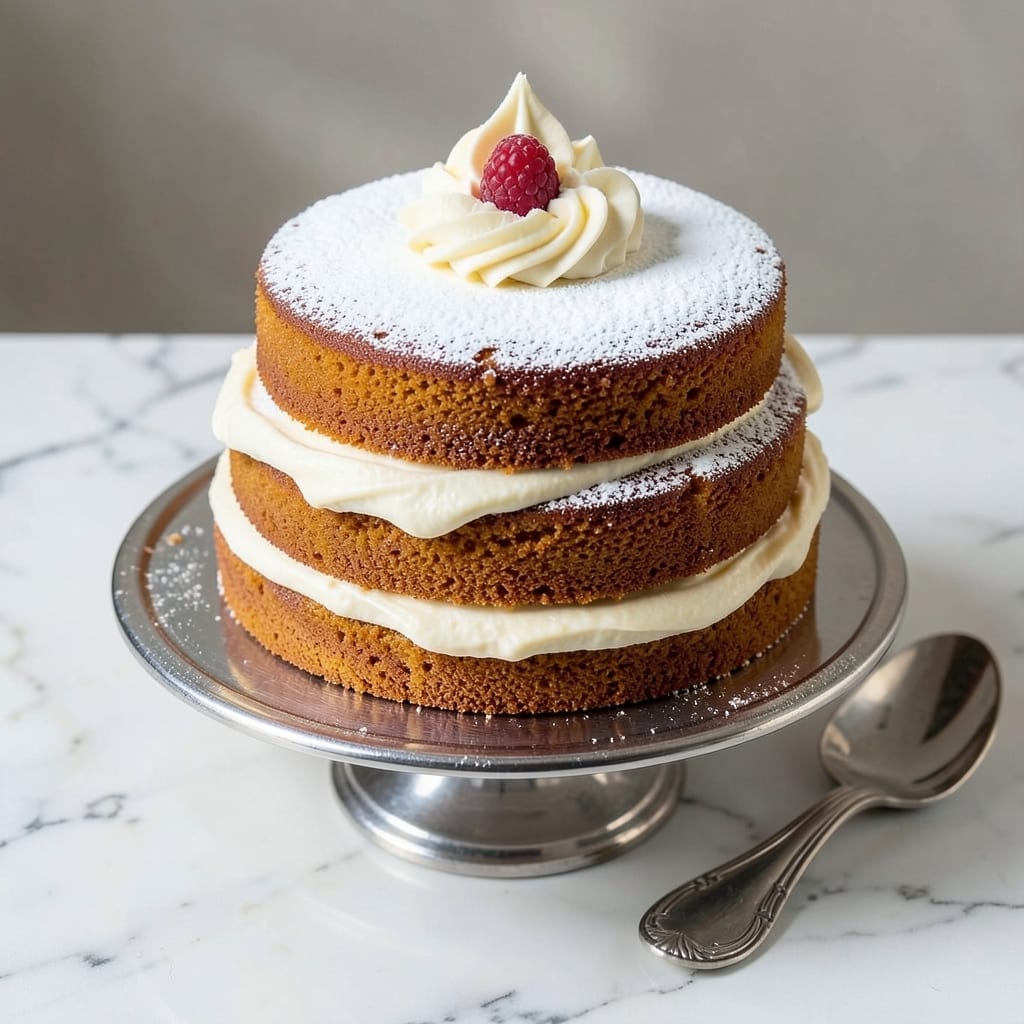
This 5-star pound cake recipe delivers layers of buttery richness that stay moist for days—no dry crumb in sight. The secret lies in precise ingredient ratios and a gentle baking technique that creates a tender, golden crumb with a velvety texture. I've perfected this version after years of testing, ensuring every slice meets restaurant-quality standards without requiring professional equipment.
The foundation starts with high-quality butter and bread flour, which create a structure that holds moisture while maintaining a delicate crumb. A touch of sour cream adds richness, while vanilla and citrus zest elevate the flavor profile. Baking at 325°F ensures even heat distribution, preventing over-browning while developing that signature golden finish.
What sets this recipe apart is its ability to stay moist for days—no drying out, no gummy texture. The cake's layers are perfectly balanced, with a slight sheen that indicates ideal hydration. Whether served plain, dusted with powdered sugar, or layered with fresh berries, this pound cake delivers the kind of quality that earns five-star ratings.
For an extra touch of elegance, consider brushing the warm cake with a simple vanilla glaze or garnishing with toasted nuts. The result is a dessert that looks as impressive as it tastes—ideal for special occasions or when you want to impress without the fuss. Let's get baking!
Ingredients for 5 star pound cake
Precision matters here: high-quality butter, bread flour, and careful measurements create restaurant-quality pound cake layers.
| Ingredient | Amount | Notes |
|---|---|---|
| Unsalted Butter 🧈 | 1 ½ cups | Cold, cubed for even distribution |
| Bread Flour 🌾 | 4 cups | High-protein for structure and moisture |
| Granulated Sugar 🍚 | 2 ½ cups | Superfine preferred for smooth texture |
| Sour Cream 🥛 | 1 cup | Full-fat for optimal moisture retention |
| Large Eggs 🥚 | 4 whole | Room temperature for even mixing |
| Pure Vanilla Extract 🌿 | 2 tbsp | High-quality Madagascar bourbon preferred |
| Lemon Zest 🍋 | 1 tbsp | Freshly grated for vibrant flavor |
| Baking Powder 🧂 | 2 tbsp | Aluminum-free for consistent rise |
| Salt 🧂 | ½ tsp | Diamond Crystal preferred |
| Milk 🥛 | 1 cup | Whole milk for optimal tenderness |
| Powdered Sugar 🍚 | 1 cup | For dusting finished cake |
| Unsalted Butter 🧈 | ¼ cup | Melted for vanilla glaze |
| Heavy Cream 🥛 | ¼ cup | For glaze consistency |
The butter and bread flour form the cake's structural backbone. European-style unsalted butter like Plugrá or Land O'Lakes has the highest fat content, essential for that signature buttery richness. For bread flour, King Arthur or Bob's Red Mill are industry standards—avoid all-purpose flour, which lacks the protein needed for proper structure. If you're using salted butter, reduce the added salt by half a teaspoon. The sour cream should be full-fat; low-fat versions compromise moisture. For the vanilla, Madagascar bourbon extract adds depth that imitation extracts can't match—it's worth the investment for this recipe.
Substitutions are possible, but each impacts texture or flavor. Vegetable shortening can replace butter at equal weight for a slightly denser crumb, though it lacks richness. For dairy-free adaptations, vegan butter and coconut cream work but may alter moisture levels. If you don't have sour cream, Greek yogurt at equal volume provides similar acidity. Superfine sugar isn't mandatory, but regular granulated sugar should be pulsed in a food processor for 30 seconds to achieve similar fineness. The lemon zest can be omitted if you prefer a neutral flavor profile, though it's what elevates this from basic pound cake to five-star quality.
Store the cake in an airtight container at room temperature for 3-4 days, or refrigerate for up to 1 week. For longer storage, freeze individual slices wrapped in plastic for 3 months. The vanilla glaze should be made fresh—simply whisk the melted butter, powdered sugar, and heavy cream together until smooth. Brush over warm cake layers immediately after baking for that signature sheen. This cake reheats beautifully; wrap a slice in foil and warm in a 350°F oven for 5-7 minutes to restore its tender texture.
Why You'll Love This Recipe
- No-Fuss Mixing: I swear by the creaming method here—just butter and sugar, five minutes of beating until it’s light and fluffy. The bread flour gives it that tender crumb without requiring sifting or extra steps. Honestly, I’ve made this while chatting on the phone.
- Rich, Buttery Depth: That sour cream keeps it moist for days, while the eggs add structure and a subtle richness. The butter? Oh, it’s there—every bite has that melt-in-your-mouth quality, like a hug in cake form. (Yes, even on a Tuesday night.)
- Slice It Any Way: Cut it into squares for breakfast toast, serve it with tea for an afternoon pick-me-up, or save slices for dessert. It’s the one cake that works at brunch, lunch, or dinner—no judgment if you eat it straight from the pan.
- Leftovers That Don’t Suffer: This cake actually improves over time—day two is even better, if you can wait. And because it’s budget-friendly (just five ingredients!), you’re not stressed about wasting a whole loaf. My freezer’s always stocked with slices for quick breakfasts.
Step-by-step instructions for 5-Star pound cake
This method delivers a perfectly moist, rich pound cake with tender layers that stay fresh for days.
Prepare the Cake Batter with Precision
Preheat your oven to 350°F and grease two 9-inch round cake pans with unsalted butter, then line the bottoms with parchment paper. In a stand mixer fitted with the paddle attachment, combine the 1.5 cups cold, cubed unsalted butter with the 2.5 cups granulated sugar on medium speed until light and fluffy, about 3-4 minutes. This creaming process incorporates air, ensuring a tender crumb.
Add the 4 whole large eggs, one at a time, mixing well after each addition. The mixture should nearly double in volume. Stir in the 2 tbsp pure vanilla extract and 1 tbsp lemon zest, scraping down the sides of the bowl as needed. This step infuses the batter with vibrant citrus notes and rich vanilla flavor that will shine through in every slice.
Combine Dry Ingredients and Sour Cream
In a separate bowl, whisk together the 4 cups bread flour, 2 tbsp baking powder, and 0.5 tsp salt. Gradually add this dry mixture to the wet ingredients on low speed, alternating with the 1 cup sour cream and 1 cup milk. Begin and end with the flour mixture to ensure even distribution. Mix just until combined—overmixing develops gluten, which can make the cake dense.
The batter should be smooth and slightly thick, with no visible flour streaks. Here’s the thing—this batter is designed to be rich and moist, so don’t be tempted to add extra liquid. The sour cream and cold butter work together to create a tender, velvety texture that stays moist for days.
Bake to Golden Perfection
Divide the batter evenly between the prepared cake pans. Bake for 25-30 minutes, or until a toothpick inserted into the center comes out clean. The cakes should spring back slightly when pressed in the center. Rotate the pans halfway through baking for even browning.
Do not overbake—the goal is a tender, moist cake, not a dry one. The cakes are done when they’re golden on top and pull away from the sides of the pan easily. Let them cool in the pans for 10 minutes before transferring to a wire rack to cool completely. This gradual cooling prevents cracking and ensures even texture.
Prepare the Vanilla Glaze
While the cakes cool, prepare the vanilla glaze by melting the 0.25 cup unsalted butter in a small saucepan over low heat. Remove from heat and whisk in the 0.25 cup heavy cream and 1 cup powdered sugar until smooth. Strain the glaze through a fine-mesh sieve to remove any lumps, ensuring a silky finish.
Once the cakes are completely cool, place one cake layer on a serving plate. Spread half of the glaze evenly over the top, then add the second cake layer. Drizzle the remaining glaze over the top and sides of the cake, allowing it to drip slightly for a professional finish. The glaze not only adds sweetness but also enhances the cake’s visual appeal with its glossy sheen.
Serve and Store for Maximum Freshness
Slice the cake with a sharp, serrated knife that has been dipped in hot water and wiped dry. This ensures clean cuts and prevents crumbs. Serve at room temperature for the best texture and flavor. The cake’s moist, buttery layers will hold up beautifully for 3-4 days when stored in an airtight container at room temperature.
For an extra touch, dust the top with a light layer of powdered sugar before serving. Each slice should be rich, tender, and infused with the bright notes of lemon zest and vanilla. This cake is the perfect centerpiece for any occasion—simple yet impressive, with a texture that defies the dryness often associated with pound cakes.
Pro Tips For Making 5 Star Pound Cake
- CREAM THE BUTTER SLOWLY: I learned this the hard way—dumping cold butter into sugar and whipping it with a mixer just makes you chase crumbs. Instead, let the butter sit out for 20 minutes first, then beat it with the sugar on medium until it’s just smooth, not fluffy. The goal is to coat every sugar crystal, not turn it into frosting.
- WEIGH YOUR FLOUR LIKE A PRO: Scooping flour from the bag is a disaster waiting to happen. Use a kitchen scale and measure the bread flour by weight—this recipe needs precision. Pack it lightly into the cup, then level it off. Too much flour and your cake turns dense; too little and it collapses. (Yes, even if you’re impatient like me.)
- DON’T OVERMIX THE BATTER: I used to think more mixing = better cake. Wrong. Once you fold in the sour cream and eggs, stop when the batter is just combined—lumps and all. Overmixing develops gluten, and that’s how you end up with a tough, chewy pound cake instead of a tender, crumbly one. (Your future self will thank you.)
- BAKE IN TWO STAGES: Preheat the oven to 350°F, then bake the cake for 15 minutes. After that, drop the heat to 325°F for the remaining 45-55 minutes. This two-step method prevents a dark crust while ensuring the center cooks through evenly. (Sounds weird, but it works—trust the process.)
Regional styles of this 5 star pound cake
Southern Classic
In the American South, pound cake is often elevated with a touch of bourbon—just 2 tbsp added to the batter along with the vanilla. This variation, known as "Bourbon Pound Cake," is a staple at Southern brunch tables, especially in Georgia and the Carolinas. I like to add ½ cup chopped pecans to the batter for crunch, then dust with powdered sugar and serve with sweet tea. The bourbon deepens the flavor, while the pecans add texture that keeps every bite interesting. 🥃
New England Citrus Twist
Up north, pound cakes often feature bright citrus flavors to cut through the richness. In Massachusetts and Vermont, you'll find versions infused with orange zest instead of lemon, plus a splash of orange liqueur (like Cointreau) in the glaze. For a true New England touch, fold ¼ cup blueberries into the batter—they stay juicy and burst with flavor in each slice. The glaze gets a sprinkle of toasted almonds for contrast. This version is perfect for summer gatherings where fresh fruit is abundant.
Midwest Spiced Version
The Midwest takes pound cake in a cozy, spiced direction, often incorporating cinnamon, cardamom, or even a pinch of nutmeg. In Ohio and Michigan, you'll find "Cinnamon Pound Cake" with 1 tsp cinnamon and ½ tsp cardamom added to the dry ingredients. The glaze is sometimes swapped for a caramel drizzle, and the cake is served warm with vanilla ice cream. I've also seen versions with chopped walnuts for a heartier texture—ideal for fall and winter holidays when spiced desserts are in demand.
West Coast Fruit Fusion
Out West, pound cakes often reflect local fruit availability. In California, you'll find "Strawberry Pound Cake" with 1 cup fresh strawberries folded into the batter, while Oregon bakers love "Raspberry White Chocolate" variations with ½ cup white chocolate chunks and ¼ cup raspberry jam swirled into the glaze. The West Coast approach balances richness with fresh, vibrant flavors—perfect for brunch menus where presentation matters. I recommend using supermarket-quality berries in season for the best results, and always brush the cake with a light apricot glaze for a sunny finish.
Texas-Style Buttermilk
Texas takes pound cake in a tangy, ultra-moist direction by replacing sour cream with buttermilk. The result is a cake with a lighter crumb and a subtle tang that pairs beautifully with peach preserves or blackberry compote. For an authentic Texas touch, add 1 tsp ground cinnamon and top with toasted pecans before serving. This version is a crowd-pleaser at state fairs and backyard BBQs, where it's often served alongside sweet iced tea or whiskey cocktails. The buttermilk keeps it moist for days without needing extra fat.
Florida Key Lime
In Florida, the classic pound cake gets a tropical twist with key lime juice and zest replacing lemon. The batter includes 2 tbsp key lime juice and 1 tbsp key lime zest, giving it a bright, zesty kick. The glaze is often flavored with lime zest and garnished with toasted coconut flakes. This version is a must-try in Key West, where it's served with rum-infused whipped cream for a boozy dessert. The key lime flavor makes it feel vacation-worthy, even when baked at home. 🍋
Nutrition facts
Frequently asked questions
Why does this pound cake stay moist longer than others?
The secret lies in the combination of cold butter, bread flour, and sour cream. The cold butter creates pockets that hold moisture, while the high-protein bread flour develops a tender crumb rather than a dry one. The sour cream adds fat and acidity that locks in freshness for 3-4 days at room temperature.
Can I make this cake in a different pan size?
Yes, but adjust the baking time. For a 9x13-inch pan, bake for 45-50 minutes (cover loosely with foil if browning too fast). For a loaf pan, use 50-55 minutes. Always check with a toothpick—it should come out clean. The cake's texture will be slightly denser in a loaf pan but still delicious.
What's the best way to store leftover cake?
For short-term storage (3-4 days), keep it in an airtight container at room temperature. For longer storage, slice and freeze individual portions in plastic wrap for up to 3 months. To revive frozen slices, thaw at room temperature for 1 hour or warm in a 350°F oven for 5-7 minutes wrapped in foil.
How do I fix dry pound cake?
If your cake turns out dry, it was likely overbaked or used the wrong flour. Next time, remove it when a toothpick comes out with moist crumbs (not completely clean). For immediate fixes, try brushing warm slices with simple syrup (equal parts sugar and water, heated until dissolved) or a thin layer of vanilla glaze. The moisture will revive the texture temporarily.
Can I substitute butter with oil?
You can try, but the texture will differ. Replace the butter with 1 cup vegetable oil and reduce milk to ½ cup to maintain proper batter consistency. The cake will be slightly denser and less rich, but still edible. For best results, stick with butter—it's what gives pound cake its signature flavor and crumb.