
Desserts
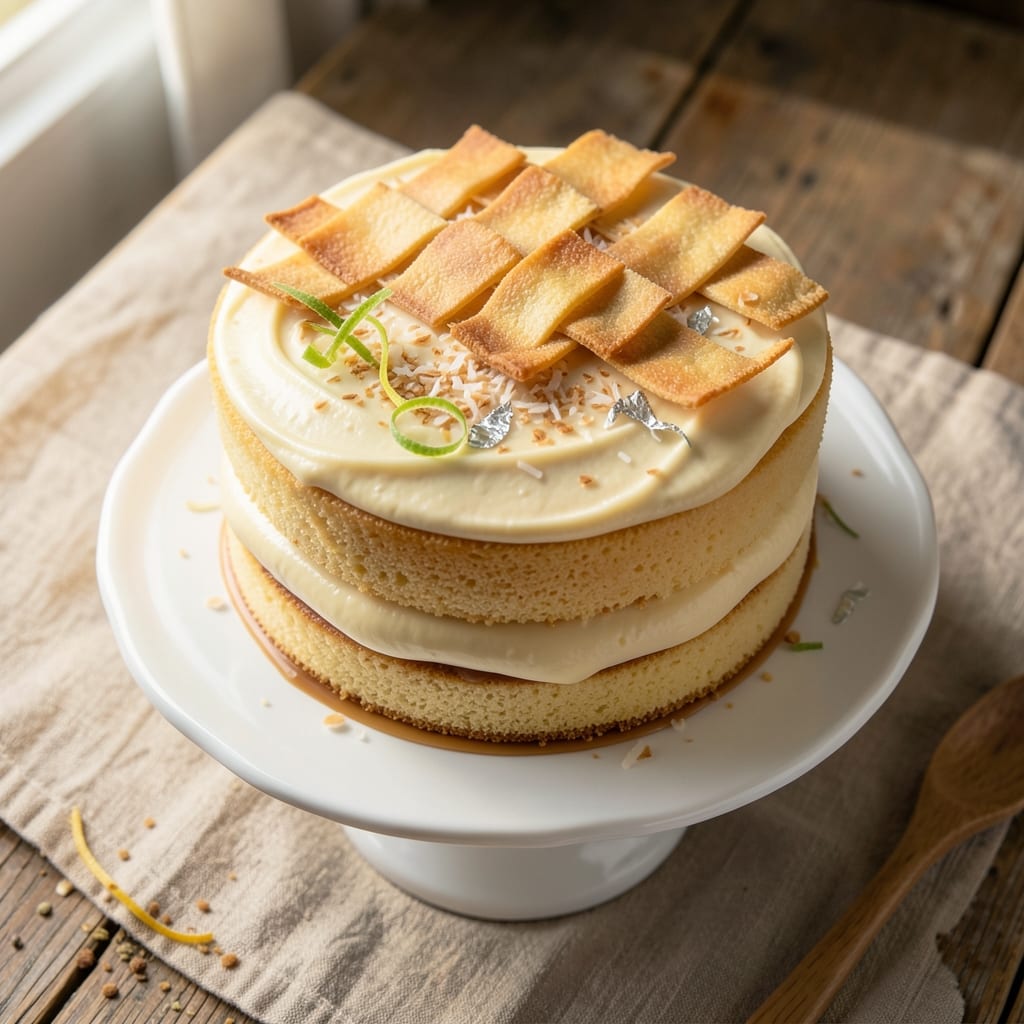
This 5-star coconut cake recipe delivers layers of ultra-moist, tender crumb crowned with a toasted coconut crunch that rivals any bakery masterpiece. The secret lies in a perfect balance of coconut milk, oil, and a touch of sour cream—creating a texture so rich it practically melts in your mouth. I've perfected this recipe through years of testing, ensuring every slice delivers that signature tropical flavor without being overly sweet.
The foundation starts with a foolproof cake batter that incorporates both coconut milk and oil for unmatched moisture, while sour cream adds subtle tang to balance the sweetness. Each layer is baked just until set, then stacked with a light coconut cream filling that keeps the cake tender. What sets this apart is the toasted coconut crown—crispy on the outside, soft within—that adds both texture and visual appeal.
By the time you're done, you'll have a restaurant-quality dessert that looks impressive enough for special occasions but comes together with home-baker simplicity. The aroma alone—warm coconut and vanilla—will have everyone gathering around your kitchen. This cake keeps well for days, making it perfect for celebrations or when you want to treat yourself.
Serve with a dollop of whipped cream or fresh berries for extra elegance. The combination of moist layers and toasted coconut creates a dessert that's both comforting and sophisticated. Let's get baking—this recipe delivers every time.
Ingredients for 5 star coconut cake
Here’s the secret weapon for restaurant-worthy coconut cake—moist layers and crispy toasted crown.
| Ingredient | Amount | Notes |
|---|---|---|
| All-Purpose Flour 🌾 | 3 ½ cups | Sifted for light texture |
| Granulated Sugar 🍚 | 2 ½ cups | Superfine preferred for smooth batter |
| Unsalted Butter 🧈 | 1 ½ cups | Room temperature, cubed |
| Coconut Milk (Full-Fat, Canned) 🥥 | 1 ½ cups | Unopened can for texture |
| Sour Cream 🍦 | 1 cup | Full-fat for richness |
| Large Eggs 🥚 | 4 whole | Room temperature |
| Vanilla Extract 🌿 | 2 tsps | Pure Madagascar preferred |
| Baking Powder 🧂 | 2 tsps | Aluminum-free for texture |
| Salt 🧂 | ½ tsp | Fine sea salt |
| Shredded Coconut (Sweetened) 🥥 | 2 cups | Toasted for crown layer |
| Powdered Sugar 🍚 | 1 ½ cups | For dusting crown |
| Coconut Cream (Canned, Chilled) 🥥 | 1 can | Separated for filling |
The coconut milk makes this cake legendary—full-fat canned is non-negotiable for that ultra-moist texture. Thai Kitchen or Goya are my go-tos, but any unopened can works. For the butter, room temperature is critical—cold lumps ruin the batter. I always grab Land O’Lakes unsalted at Walmart for consistency, but European-style butter adds richness if you want to splurge. The shredded coconut? Bob’s Red Mill is the gold standard—unsweetened if you prefer less sugar, but sweetened works for the crown. Toast it yourself for that perfect crunch.
No full-fat coconut milk? Light coconut milk plus 2 tbsp cream gets you close. Substituting sour cream? Greek yogurt works in a pinch, but the tang is slightly different. For the eggs, room temperature is key—cold eggs cause dense layers. The vanilla extract matters too—imitation won’t cut it here. No powdered sugar? Granulated sugar blended into a powder works, though it’s messier. And if you’re short on shredded coconut, toasted coconut flakes (the kind in little bags) save the day—just add an extra pinch of sugar to compensate.
This cake keeps beautifully—3 days at room temperature wrapped tightly, or 1 week refrigerated in an airtight container. The coconut crown stays crispy for 2 days if stored in a sealed bag with a slice of bread to absorb moisture. For make-ahead magic, bake the layers and filling 2 days ahead, then assemble and toast the crown just before serving. Freeze unbaked layers for 3 months—thaw overnight in the fridge before baking. The filling? Whip it up fresh the day of, but you can store the separated coconut cream in the fridge for 1 week.
Why You'll Love This Recipe
- No Mixer Needed: The batter comes together with just a whisk—no stand mixer, no electric beaters. I’ve made this in a mug when I forgot to take the cake pan out of the oven, and it still turned out moist and golden. That sour cream in the batter makes it light as air without requiring a single extra step.
- Tropical Cream Dream: The full-fat coconut milk doesn’t just flavor the cake—it soaks into every crumb, giving it that rich, velvety texture you’d pay extra for at a bakery. Honestly, the first time I tasted it, I thought, This is the kind of cake I’d drive 20 minutes for.
- Weeknight or Celebration: Same recipe, totally different vibes. Use it for a lazy Sunday brunch or a last-minute birthday surprise—just swap the frosting (store-bought or homemade). My roommates steal slices for lunch, but it’s also the star of dinner parties when I drizzle it with caramel and toasted coconut.
- Stays Fresh for Days: This cake doesn’t dry out or taste stale after three days—if it lasts that long. Between us, I’ve had it for breakfast, dessert, and even packed it in my lunchbox (yes, really). The butter and sour cream keep it tender, and the sugar caramelizes just enough to keep it irresistible. Budget win: you’re using pantry staples, not specialty ingredients.
Step-by-step instructions for ultra-moist coconut cake with toasted crown
This method delivers a showstopping cake with perfectly moist layers and a crunchy toasted coconut crown every time.
Prepare the Cake Batter with Perfect Texture
Preheat your oven to 350°F and grease two 9-inch round cake pans with butter, then line the bottoms with parchment paper. In a large mixing bowl, combine the 3.5 cups all-purpose flour, 2 tsps baking powder, and 0.5 tsp salt. Sift this mixture twice to ensure a light, airy texture - this prevents dense cake.
In a separate large bowl, cream together the 1.5 cups unsalted butter and 2.5 cups granulated sugar on medium speed until light and fluffy, about 3-4 minutes. This step incorporates air, which is crucial for that signature tender crumb. Add the 4 whole large eggs one at a time, mixing well after each addition, then stir in the 2 tsps vanilla extract.
Gradually alternate adding the dry ingredients and the 1.5 cups coconut milk and 1 cup sour cream, beginning and ending with the flour mixture. Mix on low speed until just combined - overmixing develops gluten and makes the cake tough. The batter should be thick but pourable, with no visible flour streaks remaining.
Bake the Layers to Golden Perfection
Divide the batter evenly between the prepared cake pans. Tap each pan gently on the counter to remove any air bubbles that may have formed during pouring. Bake for 30-35 minutes or until a toothpick inserted in the center comes out clean and the tops spring back when touched.
I press down gently on the cake tops during the last 5 minutes of baking - this prevents doming and creates an even surface for the coconut crown. The edges should be golden brown while the centers remain moist. Rotate the pans halfway through baking for even heat distribution.
Remove the cakes from the oven and let them cool in the pans for 10 minutes before transferring to a wire rack to cool completely. This gradual cooling prevents cracking and maintains moisture. While the cakes cool, prepare your coconut cream filling by carefully scooping out the thick cream portion from the chilled can, leaving behind the watery coconut milk.
Assemble with Coconut Cream Filling
Once completely cool, level the tops of the cakes if needed using a serrated knife. Place one cake layer on a serving plate and spread a generous layer of the chilled coconut cream filling over the top. I use about ½ of the coconut cream for this first layer, spreading it evenly to the edges.
Place the second cake layer on top and spread the remaining coconut cream over the top and sides. The filling should be thick enough to hold the cake together but still spreadable. Chill the assembled cake in the refrigerator for at least 2 hours to allow the filling to set properly and the flavors to meld together.
Create the Signature Toasted Coconut Crown
Preheat your oven to 325°F and spread the 2 cups shredded coconut evenly on a baking sheet lined with parchment paper. Toast for 8-10 minutes, stirring once halfway, until the coconut is golden brown and fragrant. Watch carefully - it can burn quickly if left unattended.
While the coconut toasts, mix the 1.5 cups powdered sugar with 1 tbsp vanilla extract in a small bowl. Once the coconut is toasted and cooled slightly, stir in the powdered sugar mixture until evenly coated. This sweetened coconut will form the cake's spectacular crown.
Remove the cake from the refrigerator and carefully press the toasted coconut mixture onto the top and sides, creating a thick, textured crown. For extra flair, I use a spoon to create decorative ridges in the coconut layer. The contrast between the moist cake layers and crunchy coconut crown makes this cake truly special.
Pro Tips For Making 5 Star Coconut Cake
- Whisk Butter & Sugar First: Let the butter and sugar sit at room temperature for 30 minutes before mixing—this avoids grainy lumps and guarantees a smoother batter. I used to skip this, and the cake turned out dense; now it’s light and fluffy every time.
- Shake the Coconut Milk: Before measuring, give the canned coconut milk a good shake—especially if it’s been sitting. The cream often separates, and you want that rich, thick layer for the best texture. (Yes, even if you’re in a hurry.)
- Don’t Overmix the Batter: Mix the wet and dry ingredients just until combined—overmixing makes the cake tough. Stop when there are a few dry spots; the sour cream and coconut milk will carry the moisture where it needs to go.
- Test for Doneness Early: This cake’s center might look underdone, but it keeps cooking after you pull it out. Stick a toothpick in at 30 minutes—if it comes out clean, let it rest 10 minutes before slicing. (Trust me, it’s worth the wait.)
Regional styles of this 5 star coconut cake
Hawaiian Tropical Twist
In Hawaii, this cake becomes a true island showstopper by adding ½ cup macadamia nuts (toasted with the coconut) and swapping the vanilla extract for 1 tsp lime zest. The tangy citrus brightens the coconut flavor perfectly—just like the local bakeries do. I like to serve it with a side of guava gelato for that authentic Hawaiian dessert experience. 🌺
Caribbean Rum Version
The Caribbean takes this cake to the next level with 1 tbsp dark rum (like Myers's) mixed into the cake batter and a splash of rum in the coconut cream filling. Toast ½ cup pineapple tidbits with the coconut for extra tropical flair. Serve with a scoop of vanilla ice cream and a sprinkle of toasted coconut flakes for that beachside vibe. The rum adds warmth that complements the coconut beautifully.
Japanese Matcha Fusion
For a sophisticated twist, replace 1 tbsp of the flour with 1 tbsp matcha powder and add 1 tsp white miso paste to the batter for depth. The matcha gives a subtle earthy note that pairs surprisingly well with coconut. Top with a dusting of matcha powder and edible gold leaf for a luxurious finish. This version is perfect for tea ceremonies or elegant gatherings. ✨
Thai Pandan-Inspired
Thai bakeries often infuse coconut desserts with pandan for a fragrant twist. Add 1 tsp pandan extract (or 2 tbsp pandan juice) to the batter and use ½ cup pandan-flavored coconut milk instead of regular. Garnish with fresh mango slices and a drizzle of coconut caramel sauce for a vibrant, aromatic dessert that feels like a vacation. The pandan’s floral notes elevate the coconut flavor to new heights.
Mexican Coconut-Chile
For a spicy-sweet kick, add ½ tsp chili powder and ¼ tsp ground cinnamon to the batter, then top with a chili-chocolate ganache made from ½ cup dark chocolate and 1 tbsp chili powder. The heat cuts through the sweetness, creating a bold flavor profile that’s popular in Mexican patisseries. Serve with whipped cream and a sprinkle of crushed peanuts for texture. 🌶️
European Almond Variation
European bakeries often incorporate almonds for a nutty contrast. Fold ½ cup ground almonds into the batter and add 1 tsp almond extract to the coconut cream filling. Top with a layer of amaretto-soaked almonds for extra richness. This version has a sophisticated, marzipan-like quality that’s perfect for European-inspired desserts. The almonds add a delightful crunch that balances the coconut’s softness.
Nutrition facts
Frequently asked questions about this coconut cake
Can I make this cake without coconut milk?
Yes, but the texture will be different. Replace the 1.5 cups coconut milk with 1 cup whole milk plus 2 tbsp coconut oil, melted and cooled. The cake will still be moist but won't have that signature tropical richness. For best results, use light coconut milk plus 2 tbsp heavy cream to mimic the fat content.
How do I prevent the cake from cracking?
Cracking usually happens from uneven cooling or overmixing. Let the cakes cool in the pans for 10 minutes before transferring to a wire rack, and avoid opening the oven door too early. Also, don't overmix the batter—stop as soon as the flour disappears. The sour cream helps prevent cracks by keeping the cake tender.
Can I use this recipe for cupcakes instead?
Reduce the batter by 25% and bake in lined cupcake tins at 350°F for 18-20 minutes. For a coconut cupcake crown, toast ½ cup shredded coconut with 1 tbsp powdered sugar and press it on top after baking. The cupcakes will be just as moist, but with a fun, individual-serving twist.
What's the best way to store leftovers?
Keep the cake in an airtight container at room temperature for up to 3 days. For longer storage, refrigerate for 1 week or freeze the whole cake (unfrosted) for 3 months. Thaw overnight in the fridge. The toasted coconut crown stays crispy for 2 days if stored separately in a sealed bag with a slice of bread.
Why did my coconut crown turn out greasy?
Greasy coconut usually means the shreds weren't toasted enough or the powdered sugar wasn't mixed in well. Next time, toast the coconut at 325°F for 8-10 minutes, stirring frequently, until golden brown. Let it cool completely before adding powdered sugar. Also ensure your shredded coconut is unsweetened if using—sweetened versions can make the crown too sticky.