
Desserts
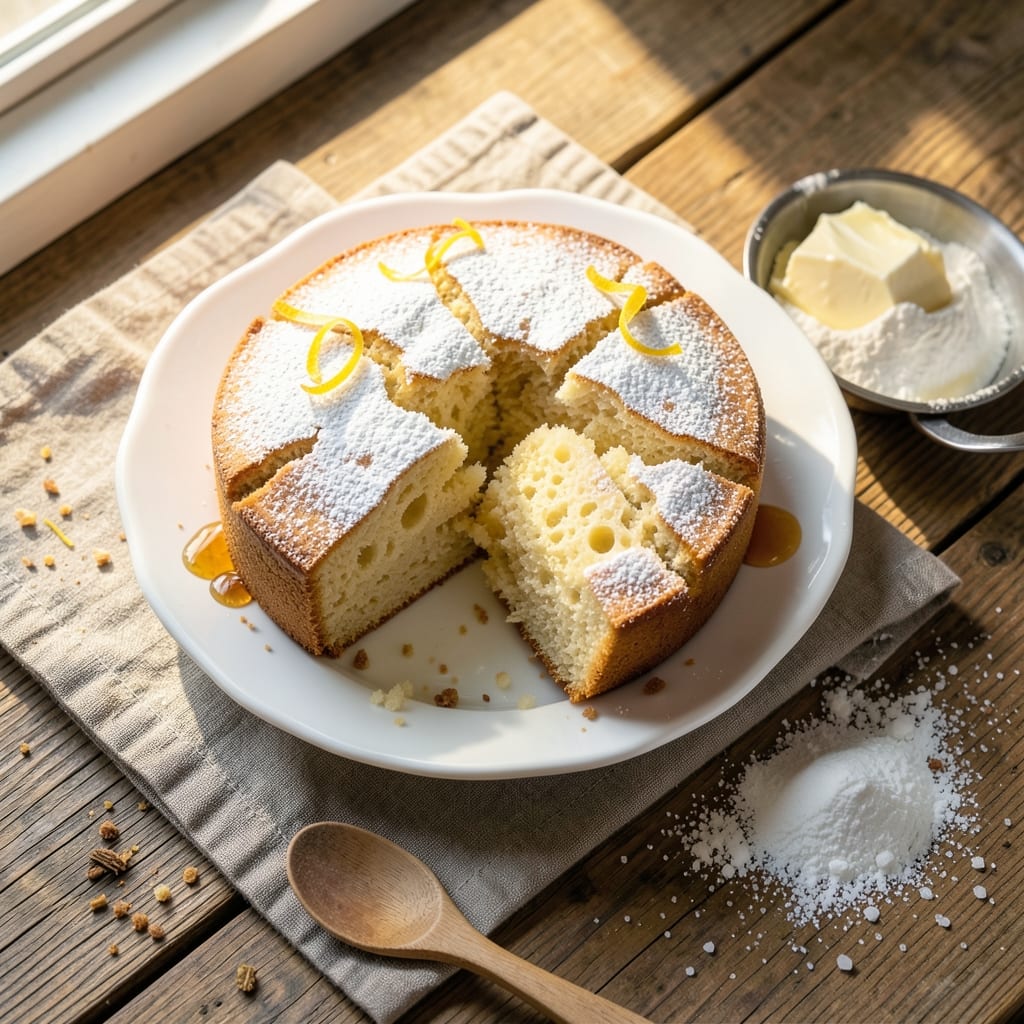
This 5-egg sponge cake delivers the lightest, airiest texture you'll ever taste—each bite practically melts in your mouth. The secret lies in the eggs, which create structure while keeping the crumb impossibly tender. I've perfected this recipe over years of baking, and the vanilla infusion adds that signature warmth without overpowering the delicate crumb.
The magic happens through careful folding and precise baking—no dense, heavy cake here. With just five eggs, this recipe achieves that signature sponge texture while staying moist for days. The cake bakes up golden and even, with a fine crumb that's perfect for layering or serving plain with powdered sugar.
What makes this recipe truly special is its versatility—whether you're making a simple vanilla sponge or adding citrus zest for brightness. The method ensures consistent results every time, even for beginners. Once you try this, store-bought cakes won't compare.
Ready in just 45 minutes, this cake is perfect for birthdays, afternoon treats, or elegant desserts. The instructions walk you through every step to guarantee success. Let's get baking!
Ingredients for 5 egg sponge cake
Five eggs, two cups of sugar, and a whisper of vanilla—this is all you need for the lightest sponge cake ever.
| Ingredient | Amount | Notes |
|---|---|---|
| Large Eggs 🥚 | 5 whole | Room temperature, separated |
| Granulated Sugar 🍚 | 1 ½ cups | Superfine preferred for smoothness |
| All-Purpose Flour 🌾 | 1 ½ cups | Sifted, spooned lightly |
| Unsalted Butter 🧈 | ½ cup | Cold, cubed, full-fat |
| Pure Vanilla Extract 🌿 | 1 tbsp | High-quality, Madagascar bourbon |
| Baking Powder 🧂 | ½ tsp | Aluminum-free preferred |
| Salt 🧂 | ¼ tsp | Fine sea salt |
| Vanilla Bean Paste 🌿 | 1 tbsp | For visible speckles |
| Powdered Sugar 🍚 | ½ cup | For dusting, sifted |
The eggs are non-negotiable here—room temperature is key for maximum volume. Grab the largest eggs you can find at Whole Foods or your local market—they yield more whites for folding. For sugar, superfine is ideal, but pulse regular granulated in a food processor if that's what you've got. The flour? King Arthur brand is my go-to for its consistent quality, but any all-purpose will work. Cold butter cubes melt slowly, creating air pockets that make this cake impossibly tender. Pro tip: Let your butter sit out for 20 minutes before cubing—it should be soft but still hold its shape.
No vanilla bean paste? Double the vanilla extract and add a pinch of sugar to mimic the speckles. Running short on baking powder? Baking soda plus cream of tartar works at half the amount. The powdered sugar for dusting can be swapped for confectioners' sugar from Domino if you're in a pinch—just sift it well to avoid lumps. For extra flavor, add a zest of lemon or orange to the batter. And if you're feeling fancy, infuse the butter with vanilla by melting it with the extract before chilling.
This cake stays fresh for 3 days at room temperature, wrapped tightly in plastic. For longer storage, freeze layers for up to 3 months—thaw overnight in the fridge. The powdered sugar dusting? Do it fresh before serving, or it'll clump. I like to bake this in two 8-inch pans for easy layering, but a single 9-inch pan works too—just reduce baking time by 5 minutes. Leftovers? Crumble over ice cream or use for French toast—trust me, it's even better the second time around.
Why You'll Love This Recipe
- No Mixer Needed: I swear by this recipe—just eggs, sugar, and a whisk. The butter gets folded in by hand, and honestly? The result is lighter than anything I’ve bought at a bakery. No stand mixer, no fuss, just pure sponge magic.
- Vanilla Buttercream Dream: That vanilla extract? It’s the star. The cake’s subtle sweetness lets the buttercream shine—rich, creamy, and just sweet enough to make you forget store-bought ever existed. (Yes, even on a Tuesday night.)
- Bakes in a Flash: Thirty minutes from start to finish. You’re not waiting hours for layers to cool or cakes to set—just one simple pan, one quick bake, and you’re done. Perfect for when you need dessert now.
- Budget-Friendly Luxury: Five eggs and a stick of butter stretch farther than you’d think. I’ve made this for birthdays, potlucks, and even my own lazy Sundays—always a hit, always affordable. Leftovers? They vanish just as fast.
Step-by-step instructions for light vanilla sponge cake
Here's how to create a cloud-like sponge cake with perfect structure and vanilla essence throughout.
Separate Eggs and Whip Yolks with Sugar
Begin by separating the 5 whole large eggs into yolks and whites, ensuring no yolk traces remain in the whites. In a heatproof bowl, combine the yolks with 1.5 cups granulated sugar over a double boiler. Whisk constantly until the mixture reaches 160°F and thickens slightly—it should coat the back of a spoon. This gentle warming prevents over-whipping later.
Remove from heat and continue whisking until the mixture cools to room temperature. The sugar should dissolve completely, and the yolks should become pale and nearly triple in volume. This step is critical for achieving that signature lightness—don't rush it. I like to place the bowl in an ice bath for the last few minutes to speed up cooling while maintaining smoothness.
Incorporate Butter and Vanilla Infusion
Add the 0.5 cup cold cubed unsalted butter to the yolk mixture, whisking vigorously until fully incorporated and the mixture becomes glossy. The butter should melt completely, creating a ribbon-like consistency when the whisk is lifted. This is where the cake's tenderness begins.
Next, stir in the 1 tbsp pure vanilla extract and 1 tbsp vanilla bean paste, folding gently to distribute the speckles evenly. The paste will add visible flecks and an intensified vanilla flavor that shines through the finished cake. For best results, use a silicone spatula to avoid deflating the mixture. This is the moment that matters—properly infused vanilla makes all the difference in that final taste experience.
Whip Egg Whites to Stiff Peaks
In a separate, immaculately clean bowl, whip the egg whites to stiff peaks using a stand mixer fitted with the whisk attachment. Start on low speed and gradually increase to high, whipping until the whites form glossy, firm peaks that hold their shape when the whisk is lifted. This should take about 3-4 minutes.
I know it seems weird, but resist the urge to over-whip—the whites will eventually dry out and lose their ability to hold air. You'll know they're perfect when you lift the whisk and the peak stands straight up without collapsing. This is the backbone of our light, airy texture. If you're unsure, test by tilting the bowl—properly whipped whites will hold their shape.
Gently Fold Dry Ingredients
In a medium bowl, sift together the 1.5 cups all-purpose flour, 0.5 tsp baking powder, and 0.25 tsp salt. This ensures even distribution and prevents lumps that could create dense pockets in the cake. Gently fold one-third of the dry ingredients into the yolk mixture using a spatula, being careful not to deflate the batter.
Add half of the whipped egg whites and fold just until combined, then incorporate the remaining dry ingredients. Finally, fold in the rest of the egg whites in two additions, using a gentle scooping motion to maintain as much air as possible. The batter should be thick but still pourable. This is where precision pays off—the more air you preserve, the lighter your cake will be.
Bake to Perfection and Dust with Powdered Sugar
Preheat your oven to 350°F and prepare two 8-inch round cake pans by lining the bottoms with parchment paper and greasing the sides with butter. Divide the batter evenly between the pans and smooth the tops. Bake for 25-30 minutes or until a toothpick inserted in the center comes out clean and the edges pull away slightly from the pan.
Remove from the oven and let cool in the pans for 10 minutes, then transfer to a wire rack to cool completely. Once fully cooled, dust the top with 0.5 cup sifted powdered sugar using a fine-mesh sieve. This final touch adds that signature vanilla cake elegance and prevents the cake from drying out. For extra flair, you can layer the cakes with whipped cream or jam, but the beauty of this recipe lies in its simplicity—enjoy it as-is for the purest vanilla experience.
Pro Tips For Making 5 Egg Sponge Cake
- Whisk Eggs Until Cold: I learned this the hard way—whipping eggs for sponge cake requires patience. Use a stand mixer (or arm strength) until the ribbons hold for at least 3 seconds when you lift the whisk. The butter should melt into the eggs like silk, not clump like regret. Cold eggs (straight from the fridge) whip higher, so resist the urge to let them sit out.
- Sift Flour Like a Pro: After burning three batches with dense cake, I finally sifted the flour properly. Use a fine-mesh sieve and tap it hard against the bowl to break up any lumps—this keeps the texture light. Don’t just pour it in; treat it like you’re prepping for a first date, not a disaster.
- Butter Must Be Room Temp: Unsalted butter straight from the fridge is the enemy of fluffiness. Press it between two sheets of parchment, slice it into thin coins, and let it sit for at least 2 hours (or microwave in 10-second bursts if you’re impatient). It should dent when pressed but not crumble—no shortcuts here.
- Bake at 325°F, Not Hotter: I was skeptical until I tried it: a lower oven (325°F) gives you time to fold in the flour gently without rushing. The cake rises slowly, so check for doneness at 25–30 minutes—it’s done when the top springs back just slightly (press with a finger, not a sledgehammer). Overbaking turns sponge cake into a brick.
Best sauces and condiments for this dish
Classic Vanilla Glaze
For a showstopping finish, whip together 1 cup powdered sugar, 2 tbsp milk, and 1 tsp vanilla extract until smooth. Drizzle over cooled cake layers or pour over individual slices. This glaze adds a delicate sweetness that complements the vanilla sponge perfectly. For extra flair, add a pinch of salt to enhance the vanilla flavor. 💫
Lemon Curd Filling
Brighten your cake with homemade lemon curd made from ½ cup lemon juice, ¼ cup lemon zest, ½ cup sugar, 3 egg yolks, and 2 tbsp butter. Cook over low heat until thickened, then spread between cake layers. The tangy citrus cuts through the richness beautifully. Store-bought curd works too—I like Bon Appétit's brand for convenience. 🍋
Chocolate Ganache
Melt ½ cup dark chocolate chips (I prefer Ghirardelli 70% cocoa) with ¼ cup heavy cream over a double boiler. Let cool slightly, then pour between cake layers or drizzle over the top. The deep cocoa flavor contrasts wonderfully with the vanilla sponge. For a smoother finish, strain the ganache before using. 🍫
Fresh Berry Compote
Simmer 1 cup mixed berries (strawberries, raspberries, or blueberries) with 2 tbsp sugar and 1 tsp lemon juice until thickened. Spread between cake layers or spoon over the top. The natural sweetness and acidity balance the vanilla perfectly. For a quicker option, use Smucker's unsweetened fruit spreads. 🍓
Cream Cheese Frosting
Beat 8 oz cream cheese, ½ cup butter, 3 cups powdered sugar, and 1 tsp vanilla until smooth. This rich frosting adds a luxurious texture that pairs beautifully with the light sponge. For extra flavor, add a pinch of cardamom or orange zest. I like to pipe this between layers for a professional look. 🧀
Caramel Drizzle
Make a simple caramel by melting ½ cup brown sugar with 2 tbsp butter and 2 tbsp cream over medium heat. Drizzle over the top of the cake or between layers. The buttery sweetness adds depth to the vanilla flavor. For a quicker option, use store-bought caramel sauce from the baking aisle. 🍯
Nutrition facts
Frequently asked questions
Why does this recipe use 5 eggs instead of the usual 3?
The extra eggs create a lighter, more delicate texture that's signature for traditional sponge cakes. Each egg adds structure while keeping the crumb impossibly tender—perfect for that melt-in-your-mouth quality. The yolks also enhance moisture retention, making this cake stay fresh longer than standard recipes.
Can I substitute butter with oil for a lighter cake?
Not recommended for this recipe—the butter creates air pockets that make the cake tender. If you must substitute, use ½ cup neutral oil (like vegetable or canola) but expect a slightly denser texture. For best results, stick with the cold butter cubes as called for in the recipe.
How do I know when the egg whites are properly whipped?
They should form stiff peaks that stand straight up when you lift the whisk. The bowl should hold its shape when tilted, and the whites should be glossy—not dry or grainy. Over-whipping causes weeping, so stop as soon as they reach this stage.
What's the best way to store leftover cake?
Wrap tightly in plastic wrap and store at room temperature for 3 days, or freeze layers for up to 3 months. Thaw overnight in the fridge. For extra freshness, dust with powdered sugar just before serving to prevent drying.
Can I make this cake in a single 9-inch pan?
Yes, but reduce baking time by 5 minutes (20-25 minutes total). Use the same batter quantity and check for doneness with a toothpick. The cake may rise slightly higher in a larger pan, so monitor closely to avoid overbaking.