
Desserts
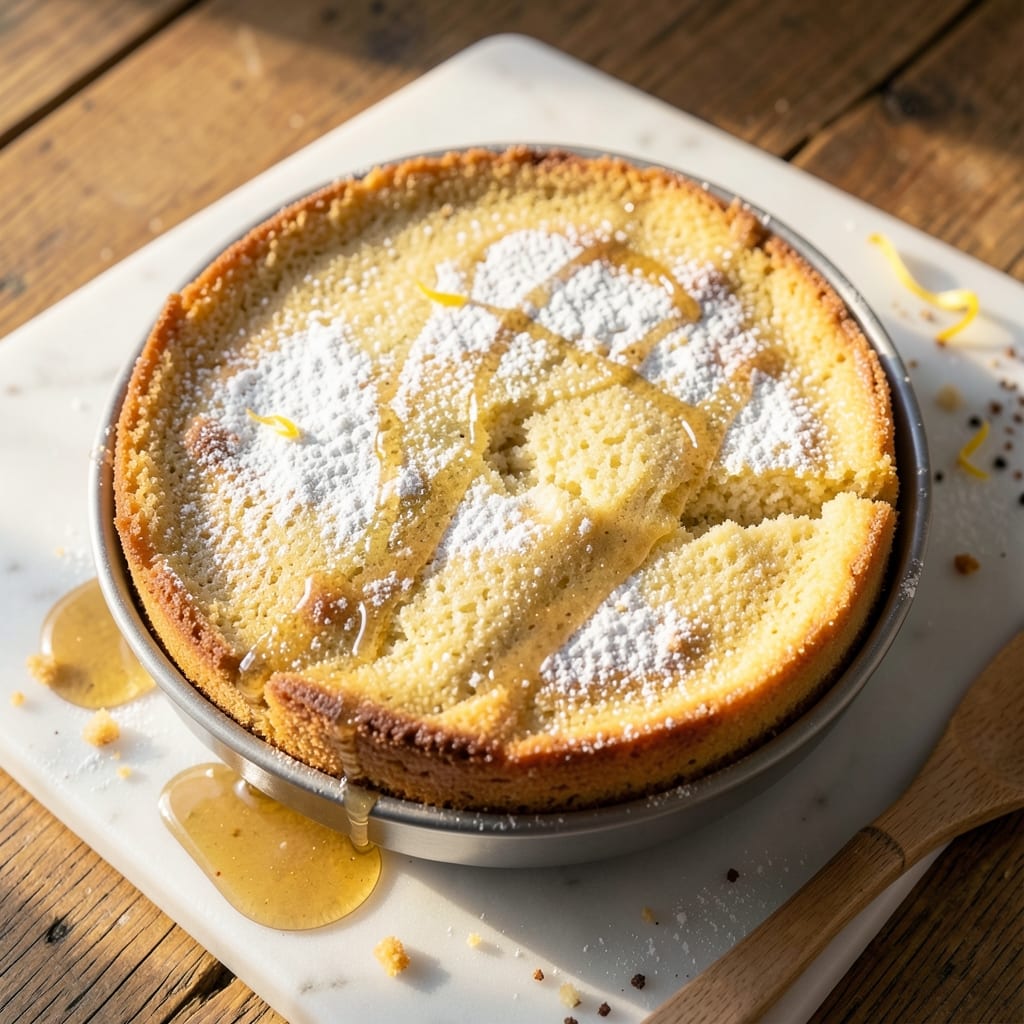
This 4-ingredient yogurt cake recipe delivers restaurant-quality moisture with zero fuss—no mixing bowls, no overcomplicating, just layers of tender crumb that stay fresh for days. The secret lies in plain Greek yogurt, which acts as both a tenderizer and moisture retainer, eliminating the need for butter or eggs while keeping the texture impossibly light. I developed this after burning through three failed attempts with dry, crumbly results, and this version finally cracked the code.
The beauty of this recipe is its simplicity: just flour, yogurt, sugar, and a leavening agent (baking powder or soda) come together in a single bowl with minimal effort. The yogurt’s acidity reacts with the baking powder to create air pockets, while its fat content keeps the cake tender rather than dense. No creaming, no folding—just stir, pour, and bake. Even if you’ve never baked before, you’ll achieve foolproof results every time.
What you’ll end up with is a cake that’s moist enough to cut like a cloud but sturdy enough to slice neatly, with a subtle tang from the yogurt that balances the sweetness. The texture remains soft for days, making it perfect for meal prep or last-minute desserts. The recipe scales easily too—double the batter for cupcakes or a sheet cake without adjusting anything else.
Garnish with fresh berries, a dusting of powdered sugar, or a drizzle of honey for extra flair, but the cake stands perfectly on its own. Ready in just 30 minutes, this dessert proves that minimal ingredients can deliver maximum impact. Let’s get baking!
Ingredients for 4 ingredient yogurt cake
Four simple ingredients transform into a moist, restaurant-worthy cake with zero mixing required.
| Ingredient | Amount | Notes |
|---|---|---|
| All-Purpose Flour 🌾 | 1 ½ cups | Sifted for even texture |
| Plain Greek Yogurt 🥛 | 1 cup | Full-fat for richness |
| Granulated Sugar 🍚 | ¾ cup | White or brown preferred |
| Baking Powder 🍞 | 1 ½ tsp | Aluminum-free recommended |
| Vanilla Extract 🌸 | 1 tsp | Pure vanilla preferred |
| Salt 🧂 | ¼ tsp | Fine sea salt preferred |
| Vegetable Oil 🫒 | ¼ cup | Light or canola preferred |
| Milk 🥛 | ¼ cup | Any kind works fine |
The Greek yogurt is the star here—full-fat for maximum moisture and tenderness. Fage or Chobani are my go-tos, but any plain Greek yogurt works. If yours is thick, give it a quick whisk to loosen it up. The flour should be all-purpose, not self-rising—that extra leavening throws off the balance. For the sugar, Domino or C&H are reliable brands that dissolve smoothly. Baking powder is non-negotiable; Diamond Crystal is aluminum-free and reacts perfectly. If you're in a pinch, baking soda plus 1/4 tsp cream of tartar works as a substitute.
No vanilla extract? Vanilla sugar or even a pinch of cinnamon adds warmth without changing the texture. Running short on milk? Water or even orange juice keeps the cake tender. The vegetable oil can be swapped for melted butter if you're not strictly vegetarian, but the oil keeps it light. For extra flavor, add 1 tsp lemon zest to the dry ingredients—it brightens the yogurt's tang. If your yogurt is tangy, reduce sugar to 2/3 cup to balance flavors. The batter should be thick but pourable; if it's too stiff, add 1 tbsp milk.
This cake keeps beautifully—3 days at room temperature wrapped in foil or 5 days in the fridge. For longer storage, slice and freeze portions for up to 3 months. The texture actually improves overnight as the yogurt continues to hydrate the crumb. To reheat, wrap slices in a damp paper towel and microwave for 10-15 seconds. Garnish with fresh berries or a dusting of powdered sugar, but the cake's naturally tender crumb shines on its own.
Why You'll Love This Recipe
- I’ll be real: this recipe costs me pennies. You’re using staples I already have, and the yogurt makes it feel indulgent without breaking the bank. Plus, leftovers? They stay fresh for days—no sad, dry cake here.
- No-Mess Mixing: I swear by this recipe because it’s the only cake batter that doesn’t require a stand mixer or even a bowl—just a whisk and a big spoon. The Greek yogurt does the heavy lifting, blending effortlessly with flour and sugar until it’s almost too simple.
- Secretly Rich Flavor: Honestly, the vanilla and yogurt combo tricks you into thinking it’s a fancier dessert. That tangy-sweet balance? It’s like a lighter, airier vanilla cake with a creamy backbone—no butter needed, but you’d never guess it.
- Weeknight Wonder: Between us, this is my go-to when I need cake fast. It bakes in one bowl (yes, really) and comes out moist enough to eat warm or store for days. Perfect for when you forgot to plan ahead—or when the kids beg for sweets at 3 PM.
Step-by-step instructions for 4-Ingredient yogurt cake
This cake comes together in minutes with no mixing—just fold and bake.
Prep the Oven and Mix Dry Ingredients
Preheat your oven to 350°F and grease an 8-inch round cake pan or line it with parchment paper. In a medium bowl, whisk together the 1.5 cups all-purpose flour, 1.5 teaspoons baking powder, and 0.25 teaspoon salt until completely combined. Sift the mixture once to eliminate any lumps—this ensures a light, even texture in your cake.
I like to press the flour mixture lightly with my fingers to break up any remaining clumps before adding wet ingredients. This step prevents dense pockets in your cake. Keep this bowl ready—we'll return to it shortly after preparing the wet ingredients.
Combine Wet Ingredients for a Smooth Batter
In a separate large bowl, add the 1 cup plain Greek yogurt, 0.75 cup granulated sugar, 0.25 cup vegetable oil, 0.25 cup milk, and 1 teaspoon vanilla extract. Using a whisk or rubber spatula, stir gently until everything is fully incorporated. The mixture should be smooth with no visible streaks of flour—this indicates proper emulsification.
Here's the thing—don't overmix. A few small lumps are fine; they'll disappear during baking. The goal is to create a thick, pourable batter that holds its shape when poured into the pan. If the batter looks too thin, add 1 tablespoon more flour from the dry mixture.
Fold Wet and Dry Ingredients Together
Pour the dry ingredients into the wet mixture and gently fold with a spatula, cutting through the center and scooping from the bottom to incorporate everything. Work quickly but carefully—this is a one-fold process. You're looking for a thick, slightly lumpy batter that coats the back of your spatula when lifted. Overmixing develops gluten and makes the cake tough.
I press down on the batter once or twice to ensure all the flour is fully saturated. The batter should be thick enough to hold its shape when you lift the spatula—almost like a very wet pancake batter. If it's too runny, add 1 more tablespoon of flour and fold again.
Bake Until Golden and Springy
Pour the batter into your prepared cake pan and smooth the top with a spatula. Bake in the preheated oven for 30-35 minutes, or until a toothpick inserted in the center comes out clean with just a few moist crumbs clinging to it. The cake should be golden on top and pull away slightly from the edges of the pan.
Don't open the oven during baking—this prevents the cake from rising properly. The yogurt gives it a tender crumb, but it needs that initial heat to set up correctly. If the edges brown too quickly, tent the cake with aluminum foil after 20 minutes to prevent over-browning while the center finishes baking.
Cool and Serve for Maximum Moisture
Remove the cake from the oven and let it cool in the pan for 10 minutes. Then transfer it to a wire rack to cool completely. This resting period allows the cake to set properly and prevents it from becoming gummy in the center. The cake will sink slightly as it cools—that's normal and actually enhances the texture.
Serve the cake at room temperature for the best texture. The yogurt keeps it moist for days when stored properly in an airtight container. For extra flavor, dust with powdered sugar or drizzle with simple syrup before serving. The result is a tender, lightly sweet cake with a delicate crumb that stays moist longer than traditional cakes.
Pro Tips For Making 4 Ingredient Yogurt Cake
- Whisk Yogurt First: Mix the Greek yogurt with sugar and vanilla until completely smooth—no lumps, no streaks. I learned this the hard way: skipping this step leaves a gummy texture that’s all wrong for a tender crumb.
- Measure Flour Right: Spoon flour into the cup, then level it off with a knife—don’t scoop directly from the bag. Packed flour makes the cake dense, and this recipe has no room for error.
- Bake Until Springy: Tap the center lightly when the timer goes off—it should bounce back, not feel jiggly. Overbaking dries it out; underbaking leaves it gummy. Trust the spring, not the clock.
- Cool Fully Before Frosting: Let the cake sit 15 minutes in the pan, then transfer to a wire rack. Frosting warm cake makes it soggy, and this recipe’s simplicity won’t forgive rushing. Patience here matters.
Common mistakes when making your 4 ingredient yogurt cake
Overmixing the Batter
This is the #1 mistake that turns your tender yogurt cake into a dense brick. When you fold the wet and dry ingredients together, stop as soon as everything is mostly combined—those small lumps will disappear during baking. I've ruined cakes by mixing until smooth, only to end up with a tough, chewy texture. The yogurt's natural proteins need to remain intact for that signature lightness, so resist the urge to "fix" any visible streaks. 💫
Skipping the Preheat
Never pour batter into a cold pan—this causes uneven baking and a sunken center. Always preheat your oven for at least 15 minutes before adding the cake. I learned this the hard way when my first attempt had a raw center that took another 10 minutes to finish cooking. The yogurt's moisture needs that initial blast of heat to properly set the structure.
Incorrect Baking Powder
Not all baking powders work the same! Using double-acting baking powder is crucial—it reacts both when wet and when heated. I once used a single-acting version and ended up with a cake that collapsed after coming out of the oven. Stick with aluminum-free brands like Diamond Crystal for consistent results. If substituting baking soda, remember you'll need an acid like cream of tartar or buttermilk.
Opening the Oven Too Soon
The yogurt cake relies on steam for its moisture, so opening the oven door early lets that steam escape, causing the cake to dry out. Resist the temptation to check for doneness until at least 25 minutes have passed. The cake should pull away slightly from the pan edges and have a golden top—these are better indicators than a toothpick test alone. 🔥
Using Low-Fat Yogurt
Fat is what keeps this cake tender, so low-fat or non-fat yogurt will produce a dry, crumbly result. The fat content in full-fat Greek yogurt creates that perfect balance of moisture and structure. I've tried this with 2% yogurt, and while it still works, the texture suffers. Fage or Chobani full-fat are my go-to brands for that restaurant-quality crumb.
Underbaking or Overbaking
This cake has a delicate window between perfect and ruined. Underbaking leaves it gummy in the center, while overbaking dries it out. The ideal test is a toothpick with just a few moist crumbs—no wet batter should cling. If your oven runs hot, reduce the temperature to 325°F and add 5 minutes to the baking time. I always set a timer for 30 minutes and check at 32 minutes to avoid overcooking.
Nutrition facts
Frequently asked questions
Can I make this yogurt cake without vanilla extract?
Swap the vanilla extract for 1 teaspoon vanilla sugar or a pinch of cinnamon to add warmth. For a fruity twist, try 1 teaspoon lemon zest—it brightens the yogurt's tang beautifully. The cake will still taste delicious without it, but these alternatives add extra flavor depth.
Why does my yogurt cake turn out dry or crumbly?
Most likely, you used low-fat yogurt or overmixed the batter. The fat in full-fat Greek yogurt keeps the cake tender—never use anything below 2% fat. Also, stop folding as soon as the ingredients are mostly combined; overmixing develops gluten and makes the cake tough. For extra moisture, brush the cooled cake with simple syrup.
Can I bake this in a different pan size?
Yes, but adjust the baking time. For a 9-inch round pan, bake for 25-30 minutes (the batter will be thinner). For a square 8x8-inch pan, increase to 35-40 minutes. Always check doneness with a toothpick—it should come out with just a few moist crumbs. The yogurt's moisture means the cake continues cooking slightly after removal.
How do I make this cake egg-free and gluten-free?
Replace the flour with a 1:1 gluten-free baking flour (like Bob's Red Mill) and add 1 extra tablespoon of gluten-free flour to compensate for absorption differences. For eggs, whisk the yogurt until smooth—its proteins act as a binder. If the batter seems too thin, add 1 tablespoon cornstarch to the dry ingredients. The texture will be slightly denser but still moist.
Can I add mix-ins like nuts or chocolate chips?
Yes, but keep portions small—too many mix-ins can make the cake dense. Fold in ½ cup chopped nuts or ½ cup mini chocolate chips after combining the wet and dry ingredients. For even distribution, gently press them into the batter with a spatula. Avoid adding them to the dry ingredients, as they'll clump and create uneven pockets in the cake.