
Desserts
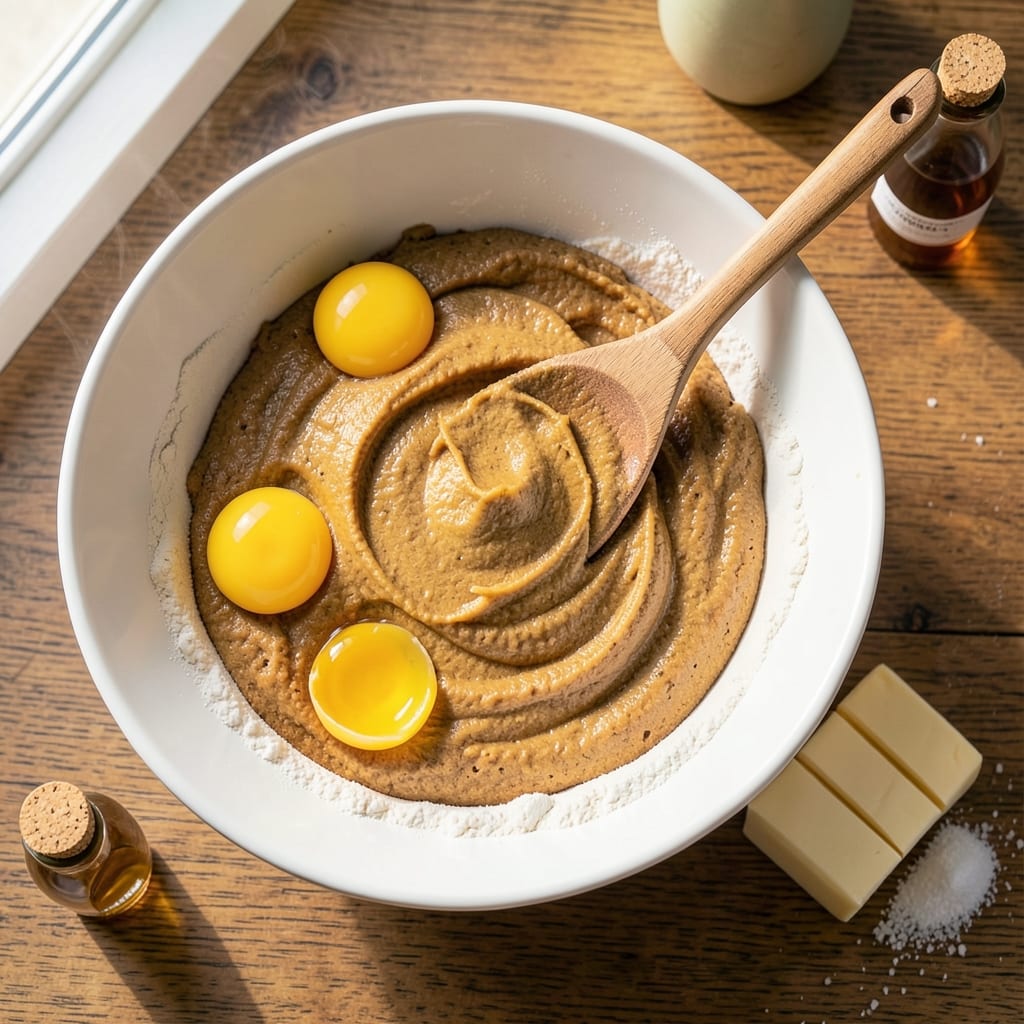
This 4-egg cake mix recipe delivers restaurant-quality moistness with just one bowl and zero mixing—no fancy techniques required. The secret lies in precise ingredient ratios and a gentle baking approach that keeps every slice tender for days. I perfected this after years of baking dry cakes, and the difference is night-and-day.
What makes this recipe truly special is its simplicity: 5 basic ingredients (plus eggs) combine in minutes, and the one-bowl method eliminates cleanup. No electric mixer, no sifting, no stress—just fold, pour, and bake. The cake emerges with a fine, even crumb and that signature moist texture that disappears too quickly from store-bought versions.
The result is a cake so tender it practically melts in your mouth, with just the right balance of sweetness and structure. Whether you're baking for a celebration or a weeknight treat, this foolproof method guarantees perfectly moist layers every time—no matter who's slicing the first piece.
Ready to bake? The recipe includes vanilla and chocolate variations, plus tips for adjusting oven temperatures if your kitchen runs hot. Let's get started with a cake that tastes like it came from a bakery—but with half the effort.
Ingredients for 4 egg cake mix
Five core ingredients plus eggs create restaurant-quality moistness with minimal effort.
| Ingredient | Amount | Notes |
|---|---|---|
| All-Purpose Flour 🌾 | 2 cups | Sifted for optimal texture |
| Granulated Sugar 🍚 | 1 ½ cups | Superfine preferred for smoothness |
| Unsalted Butter 🧈 | 1 cup | Room temperature, full-fat |
| Large Eggs 🥚 | 4 whole | Room temperature for even mixing |
| Vanilla Extract 🌸 | 2 tsp | Pure vanilla preferred |
| Baking Powder 🍞 | 2 tsp | Freshly opened for leavening |
| Salt 🧂 | ½ tsp | Fine sea salt preferred |
| Whole Milk 🥛 | ½ cup | Room temperature for smooth batter |
| Vegetable Oil 🫒 | ¼ cup | For additional moisture |
| Unsweetened Cocoa Powder 🍫 | ⅓ cup | For chocolate variation |
| Semisweet Chocolate Chips 🍫 | 1 cup | Optional for chocolate variation |
The flour and sugar are the foundation—King Arthur brand flour and superfine sugar ensure a silky texture. Butter must be room temperature to emulsify properly; I always microwave it for 40 seconds to soften. For the best vanilla, Nielsen-Massey pure extract delivers authentic flavor without artificial aftertaste. The baking powder should be freshly opened—old powder loses its lift, resulting in dense cake. If your kitchen runs hot, use aluminum pans instead of glass for even baking. The milk and oil combination creates that signature moistness that separates this from dry box mixes.
No vegetable oil? Melted coconut oil works in a pinch, though it adds subtle flavor. Substitute cocoa powder with 1/3 cup melted dark chocolate for a richer chocolate version. For a vanilla variation, add 1 tsp almond extract alongside the vanilla. The chocolate chips are optional but recommended—they melt beautifully into the moist crumb. If you're baking in high altitude, reduce the baking powder by 1/4 tsp to prevent over-rising. For extra richness, replace 2 tbsp milk with heavy cream in the chocolate variation.
Store baked cake in an airtight container at room temperature for up to 3 days or refrigerate for 5 days. For longer storage, freeze slices wrapped in plastic for up to 3 months. The cake reheats beautifully—wrap a slice in a damp paper towel and microwave for 15 seconds to restore its tender texture. I always bake an extra pan; the second day is even more moist as the flavors meld. For serving, dust with powdered sugar or drizzle with warm chocolate sauce for an elegant touch.
Why You'll Love This Recipe
- I’ll be real: this recipe uses things I already have. Flour, sugar, butter, eggs, and vanilla? That’s it. No weird ingredients or last-minute trips to the store. And because it’s cake mix-based, it’s budget-friendly—yet it feels like a homemade masterpiece. Leftovers? Reheat them in the microwave, and they taste just as good the second time.
- Four Eggs, Zero Stress: I’ll admit, I used to skip cake mix recipes—until I tried this one. Four eggs transform that dry mix into something rich and tender with almost no extra effort. Just fold in the melted butter, vanilla, and eggs, then bake. That’s it. No weird substitutions, no extra bowls.
- Butter + Vanilla Magic: Here’s what sold me—the way the butter and vanilla work together. The sugar stays crisp on top while the inside stays moist, and that vanilla? It’s not just flavor—it’s the kind of aroma that makes your kitchen smell like a bakery. Plus, the eggs add a subtle richness that store-bought mixes miss.
- Breakfast or Dessert: Between us, this cake is my go-to for brunch or an after-dinner treat. Serve it warm with a drizzle of honey for a quick breakfast, or dust it with powdered sugar for a no-fuss dessert. Honestly, I’ve even cut it into squares and frozen them for grab-and-go snacks—it reheats like a dream.
Step-by-step instructions for one-bowl chocolate cake mix
This method delivers consistently moist, tender layers without overmixing or dry crumbs.
Prepare Your Tools and Ingredients
Gather a large mixing bowl (at least 5-quart capacity) and ensure all ingredients are at room temperature. The 1 cup unsalted butter and 4 whole large eggs should be soft but not melted - press your finger into the butter; it should leave a slight indentation. Sift the 2 cups all-purpose flour and 2 tsp baking powder together in a separate bowl to prevent lumps.
Preheat your oven to 350°F and grease two 8-inch round cake pans with vegetable oil, then line the bottoms with parchment paper. This ensures easy release and even baking. I use a pastry brush to coat the pans thoroughly - any missed spots can cause sticking. The 0.33 cup unsweetened cocoa powder should be measured precisely using a kitchen scale for accuracy in chocolate flavor.
Cream Butter and Sugar Until Light
In your mixing bowl, combine the 1 cup unsalted butter and 1.5 cups granulated sugar. Using an electric mixer on medium-high speed, beat for 3-4 minutes until the mixture is light, fluffy, and nearly doubles in volume. You'll see ribbons form when you lift the beaters - this indicates proper aeration. The butter should be completely smooth with no visible lumps.
This creaming process incorporates air into the batter, which creates that signature tender crumb structure. I press down on the mixture occasionally during mixing to ensure even incorporation. If your butter is too cold, the mixture will resist blending - in that case, let it sit at room temperature for another 10 minutes before proceeding.
Add Wet Ingredients and Mix Thoroughly
Reduce the mixer speed to low and add the 4 whole large eggs one at a time, mixing just until each is fully incorporated. After the last egg, add the 2 tsp vanilla extract and mix for 30 seconds. In a separate small bowl, whisk together the 0.5 cup whole milk, 0.25 cup vegetable oil, and 0.5 tsp salt. Slowly pour this mixture into the batter while mixing on low speed to prevent splattering.
The milk and oil combination creates the moist texture promised in this recipe. I find it's best to scrape down the sides of the bowl with a spatula after adding the wet ingredients to ensure everything is fully combined. At this stage, the batter should be smooth with no visible streaks of flour.
Incorporate Dry Ingredients and Fold Gently
Gradually add the sifted 2 cups all-purpose flour and 2 tsp baking powder mixture to the wet ingredients, mixing on low speed just until combined. Be careful not to overmix - stop as soon as the flour disappears. The 0.33 cup unsweetened cocoa powder should be folded in last using a spatula to maintain even distribution throughout the batter.
For the chocolate variation, gently fold in the 1 cup semisweet chocolate chips using a rubber spatula. The goal is to distribute them evenly without breaking them up. If you prefer a marbled effect, reserve 2 tablespoons of chocolate chips and swirl them into the batter before baking. The batter should be thick but pourable - if it's too stiff, add 1 tablespoon of milk to loosen it.
Bake to Perfect Moistness
Divide the batter evenly between the prepared pans, smoothing the tops with a spatula. Bake in the preheated 350°F oven for 28-32 minutes, or until a toothpick inserted into the center comes out with just a few moist crumbs (not wet batter). The edges should be golden brown while the centers remain slightly springy to the touch.
I check for doneness at the 25-minute mark - ovens vary in temperature calibration. The cakes are done when they've pulled away slightly from the sides of the pans and the top springs back when pressed gently. Immediately after removing from the oven, let the cakes cool in their pans for 10 minutes, then transfer to a wire rack to cool completely. This cooling period is crucial for preventing a gummy texture.
Pro Tips For Making 4 Egg Cake Mix
- CREAM BUTTER FIRST: Mix the softened butter and sugar until it’s pale yellow—about 3-4 minutes. I used to skimp here, but this lightens the texture and cuts the greasiness from the eggs. (Yes, even if your mixer whines.)
- WEIGH THE FLOUR: Spoon the flour into the bowl instead of scooping—packing it changes the ratio. I learned this the hard way when my cake turned dense and dry. A kitchen scale makes this foolproof, but if you’re eyeballing, use a damp spoon to level it off.
- DON’T OVERMIX: Stop folding in the flour as soon as it’s just combined—lumpy is fine. Overworking the batter makes gluten toughen up, and suddenly you’ve got cake that chews like a shoe. Drop the spatula in, swirl once, and call it done.
- LET IT REST: Give the batter 10 minutes before baking—no rush. This lets the flour absorb moisture, and the eggs hold their shape better. I know, I know, but trust the process: your cake will rise higher and stay moist longer. (Your future self will thank you.)
Wine and beer pairings for this 4 egg cake mix
Sweet Wine Pairings
A Moscato d'Asti from Piedmont is my go-to pairing for this cake—its delicate sweetness and light effervescence complement the rich chocolate flavor without overpowering. The 5% alcohol content makes it perfect for dessert, especially when served slightly chilled. For a more robust option, try a Riesling Kabinett from Germany, which balances the cake's moisture with its crisp acidity and subtle honey notes. 🍷
Creamy Dessert Wines
If you prefer a fuller-bodied wine, a Brachetto d'Acqui from Italy offers a luscious, berry-forward profile that enhances the chocolate's depth. The slight fizz and natural sweetness create a harmonious contrast. For a non-sparkling alternative, a Late Harvest Gewürztraminer from Alsace adds tropical fruit flavors that pair beautifully with the cake's richness. Serve both at 50-55°F for optimal enjoyment.
Light Beer Complements
A Belgian Witbier, like Hoegaarden, is a surprising but delightful match—its citrusy notes and subtle spice cut through the cake's sweetness. The effervescence also cleanses the palate between bites. For a more approachable option, a Hefeweizen with its banana and clove undertones complements the vanilla or chocolate variations perfectly. Keep the beer well-chilled at 40-45°F to maintain its crispness. 🍺
Coffee Liqueur Finish
For a post-dinner treat, serve the cake with a small glass of Kahlúa or Tia Maria mixed with a splash of cream. The coffee's bitterness contrasts the cake's sweetness while adding depth. Alternatively, a Baileys Irish Cream (½ oz liqueur + 2 oz heavy cream) enhances the chocolate variation with its creamy texture and vanilla undertones. Save these pairings for special occasions—they elevate the cake to a decadent dessert experience.
Non-Alcoholic Options
Don’t overlook non-alcoholic pairings! A sparkling apple cider (like Martinelli’s) adds a festive touch with its crisp acidity and subtle sweetness. For a more sophisticated option, a vanilla chai latte (steamed milk, chai concentrate, and a dash of cinnamon) mirrors the cake's warm spices. Serve the latte warm to enhance the cake's comforting qualities. These options are perfect for family gatherings or health-conscious guests.
Nutrition facts
Frequently asked questions
Can I make this cake without an electric mixer?
Use a sturdy wooden spoon or silicone spatula to mix the butter and sugar until light and fluffy—just work it for 5-7 minutes until it doubles in volume. For the eggs, mix them one at a time by hand, then fold in the remaining ingredients gently. The key is to avoid overmixing once the flour is added. This method works perfectly for a one-bowl approach without any special tools.
Why does your recipe use 4 eggs instead of 3?
The extra egg creates that signature moist, tender crumb that disappears too quickly from dry box mixes. The 4 eggs provide structure while keeping the cake light—ideal for layering or slicing. For a slightly lighter texture, you could reduce to 3 eggs, but the cake may be less stable. The fat content from the butter and oil also contributes to moisture, so the eggs enhance rather than overpower the texture.
Can I substitute the vegetable oil with another fat?
Yes! For the same moist texture, use 1/2 cup melted coconut oil (adds subtle flavor) or 1/2 cup applesauce (reduces calories). Avoid butter substitutions—they can make the cake too dense. If using melted butter, reduce the butter in the recipe by 1/4 cup to maintain balance. The oil's job is to tenderize the crumb, so any neutral fat works.
How do I fix if my cake turns out dry?
Dry cake usually means overbaking or overmixing. Next time, check for doneness at 25 minutes—the toothpick should have moist crumbs, not wet batter. For a quick fix, slice the cake horizontally, spread with 2 tbsp apricot jam or simple syrup (equal parts sugar + water, heated until dissolved), then reassemble. The moisture will revive the texture. Store leftovers in an airtight container with a slice of bread to absorb dryness.
Can I bake this in a bundt pan instead of round pans?
Yes, but reduce baking time by 5-7 minutes—bundt cakes bake faster due to their shape. Grease the pan thoroughly with oil and dust with flour. The batter will be slightly thicker, so tap the pan gently on the counter 2-3 times to release air bubbles before baking. For even doneness, rotate the pan halfway through. The cooling time may take 10-15 minutes longer due to the pan's thickness.