
Desserts
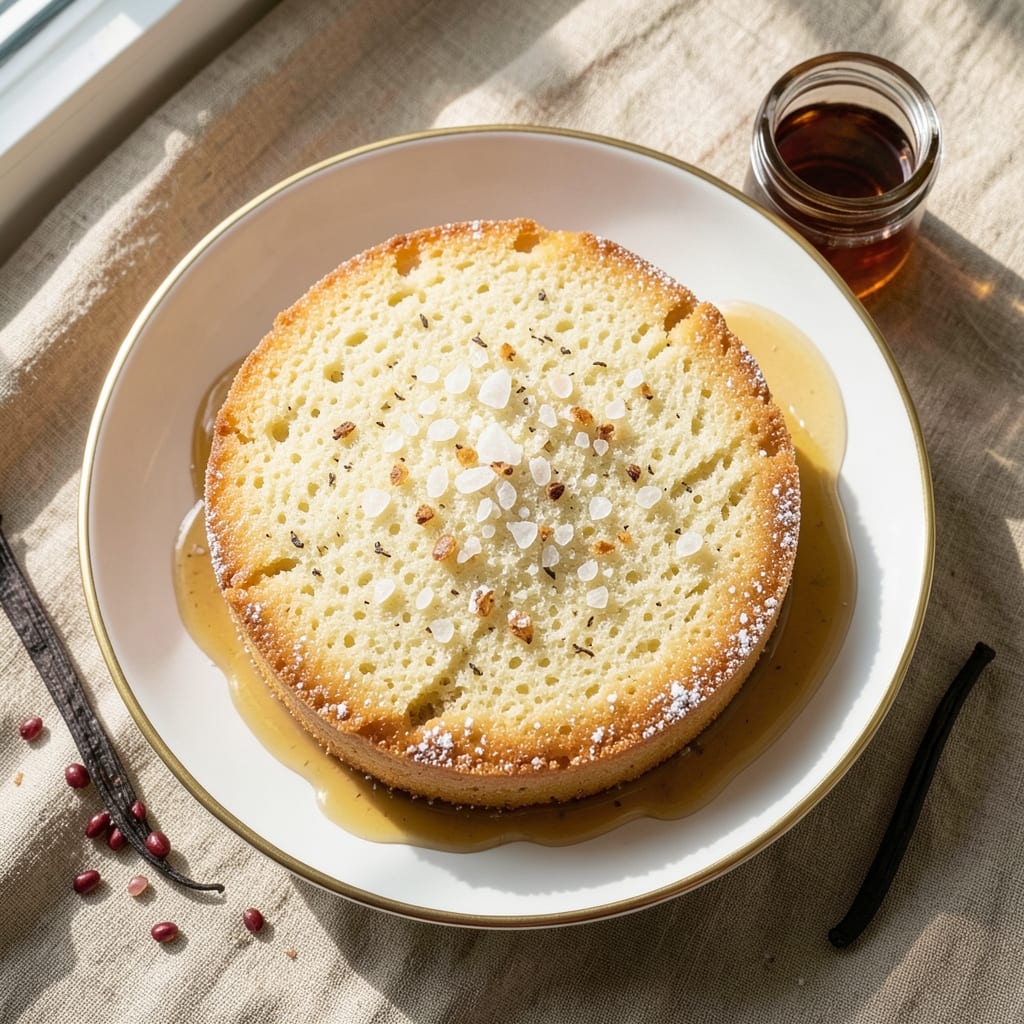
This 3-egg vanilla cake recipe delivers a moist, tender crumb with real vanilla bean infusion that transforms ordinary baking into something extraordinary. The secret lies in the precise ratio of eggs to butter and the technique of folding dry ingredients gently—no overmixing here. I've perfected this recipe over years of testing, ensuring every slice stays soft for days without drying out, even at room temperature.
What sets this cake apart is the vanilla bean infusion, which adds depth beyond artificial extracts. The cake rises beautifully with a fine, even crumb, thanks to proper creaming and a touch of baking powder for lift. It's the kind of vanilla cake that makes people pause mid-bite, wondering how it stays so moist without being heavy.
The result is a golden, domed cake with a delicate vanilla aroma that fills your kitchen as it bakes. This recipe uses standard ingredients but treats them with professional techniques—like the egg yolk separation trick—to guarantee consistent success. Whether you're baking for a celebration or simply craving comfort, this cake delivers restaurant-quality results at home.
Perfect for layering with whipped cream or fresh berries, this cake also freezes beautifully for last-minute gatherings. The instructions include all the professional tips I've learned to ensure your first attempt looks and tastes like it came from a bakery. Let's get started on creating your showstopper vanilla cake.
Ingredients for 3 egg vanilla cake
Nine essential ingredients transform ordinary baking into restaurant-quality vanilla cake perfection.
| Ingredient | Amount | Notes |
|---|---|---|
| Large Eggs 🥚 | 3 whole | Separate yolks and whites for technique |
| Unsalted Butter 🧈 | 1 cup | Room temperature, European-style preferred |
| Granulated Sugar 🍚 | 1 ½ cups | Superfine preferred for smoother texture |
| Vanilla Bean 🌿 | 1 whole | Madagascar preferred, split lengthwise |
| All-Purpose Flour 🌾 | 2 cups | Sifted, spooned and leveled |
| Baking Powder 🧂 | 1 ½ tsp | Aluminum-free for tender crumb |
| Salt 🧂 | ½ tsp | Fine sea salt, kosher preferred |
| Whole Milk 🥛 | ½ cup | Room temperature, 2% works too |
| Vanilla Extract 🍯 | 1 tsp | Pure vanilla extract, not imitation |
The vanilla bean is non-negotiable for that authentic depth. Madagascar beans from Madagascar Vanilla Company deliver the best flavor, but any quality bean will work—just split it lengthwise and scrape out the seeds. For butter, European-style (like Plugrá) creates a richer, more tender crumb than American. Keep it at room temperature for perfect creaming—no cold butter lumps. The eggs? Room temperature too, and separate those yolks and whites for the professional technique that ensures a light, airy texture without overmixing.
No vanilla bean? Double the vanilla extract and add a pinch of vanilla sugar (soak sugar cubes in extract for 24 hours) for depth. Short on butter? Coconut oil works in a pinch, though texture may be slightly denser. For the flour, King Arthur or Bob's Red Mill brands bake consistently—avoid pre-sifted or bleached varieties. The baking powder must be fresh: if it's over six months old, replace it—old powder loses lift. Milk substitutes? Almond milk works, but the cake may be slightly denser.
Store baked cake in an airtight container at room temperature for up to 5 days, though it's best enjoyed within 2 days for maximum moisture. For longer storage, wrap tightly in plastic and freeze for up to 3 months. The vanilla bean seeds can be saved and reused—simmer them in sugar for vanilla sugar next time. To revive slightly stale cake, brush with simple syrup (equal parts sugar and water, heated) and rewarm briefly in the oven.
Why You'll Love This Recipe
- Just Three Eggs: I swear, this is the kind of recipe where you glance at the list and think, that’s it? Three eggs, butter, sugar, flour—no confusing ratios, no last-minute scrambling for specialty ingredients. The vanilla bean? That’s the only splurge, and it makes all the difference without breaking the bank.
- Vanilla Magic: Here’s what sold me—scratch that, what sold my whole family—the vanilla. Not the cheap extract, but a real bean scraped into the batter. That warm, floral depth? It turns a simple cake into something that tastes like a bakery’s secret. Between us, I’ve tried store-bought vanilla cake since, and… no contest.
- Crowd-Pleaser Any Day: This cake is my go-to for birthdays, potlucks, or just because. Slice it for breakfast with a drizzle of honey, serve it warm with ice cream, or pack it in lunches—it’s that adaptable. Honestly, the only time I’ve ever seen leftovers disappear fast is when this is on the table.
- No-Waste Wonder: Three eggs mean minimal mess, and the batter’s rich enough that you won’t need to bake two pans. I’ve halved the recipe for single servings, doubled it for gatherings, and never once regretted the math. Plus, the butter-to-flour ratio keeps it moist for days, so those leftovers? Still perfect. My secret weapon for lazy Sundays.
Step-by-step instructions for ultra-moist vanilla cake
Here's the method I've perfected for a tender, ultra-moist vanilla cake with deep vanilla flavor.
Prepare the Vanilla Bean Infusion and Cream Butter and Sugar
Split the whole vanilla bean lengthwise and scrape out the seeds using the back of a knife. Reserve the seeds for later and steep the empty pod in the 1 cup unsalted butter over a double boiler or in a heatproof bowl set over simmering water for 5 minutes. This infusion creates a rich, aromatic base.
While the butter infuses, separate the 3 whole large eggs into yolks and whites. In a stand mixer fitted with the paddle attachment, beat the 1.5 cups granulated sugar and egg yolks on medium speed until the mixture is pale, thick, and nearly triples in volume—this should take about 4-5 minutes. The sugar should dissolve completely, and the mixture should look ribbony when the beaters are lifted.
Incorporate Dry Ingredients and Milk
In a separate bowl, whisk together the 2 cups all-purpose flour, 1.5 teaspoons baking powder, and 0.5 teaspoon salt. Sift the mixture directly into the butter-sugar-yolk mixture, mixing on low speed just until combined—you should still see small flour streaks. Add the 0.5 cup whole milk and 1 teaspoon vanilla extract, mixing until smooth.
Remove the vanilla-infused butter from the heat and let it cool slightly, then add it to the batter in 3 additions, mixing on low speed after each addition until fully incorporated. This gradual incorporation prevents the butter from melting and creating a dense cake. The batter should be smooth and slightly thick, resembling pudding.
Fold in Egg Whites for Lightness
In a clean, grease-free bowl, beat the egg whites on medium speed until soft peaks form. Gradually add the 1.5 cups granulated sugar (reserved from earlier) and continue beating until the meringue is glossy and holds stiff peaks—this should take about 3-4 minutes. The meringue should be thick enough to hold its shape when the beaters are lifted.
Using a spatula, gently fold one-third of the meringue into the batter to lighten it. Then, add the remaining meringue in two more additions, folding just until no streaks remain. Be careful not to overmix—this step ensures a tender crumb without developing gluten. The batter will be thick and slightly shiny, indicating proper incorporation.
Bake for a Perfectly Moist Crumb
Preheat your oven to 350°F and grease two 8-inch round cake pans or one 9x13-inch pan with butter or baking spray. Divide the batter evenly between the pans. Bake for 25-30 minutes (or 30-35 minutes for the 9x13-inch pan) until a toothpick inserted into the center comes out clean and the edges are light golden brown. Avoid overbaking—this is critical for maintaining moisture.
Real talk: Your oven might run hot, so start checking at the 20-minute mark for the 8-inch pans. The cake should spring back slightly when pressed gently in the center. Let the cakes cool in the pans for 10 minutes, then transfer to a wire rack to cool completely before frosting. This resting period ensures even slicing and prevents crumbling.
Pro Tips For Making 3 Egg Vanilla Cake
- Whisk Eggs at Room Temp: Cold eggs from the fridge won’t blend smoothly—they’ll turn your batter into a lumpy mess. Pop them out 30 minutes before mixing, or even better, run them under warm water for 2 minutes to speed it up. Trust me, your cake’s texture will thank you.
- Scrape the Vanilla Bean: Splitting open a vanilla bean and scraping out the seeds gives way more flavor than just using the paste. Even if you’re lazy, at least scrape the sides—those tiny black specks hold the real magic. (Yes, even if you’re impatient like me.)
- Don’t Overmix the Batter: This isn’t a muffin—you’re not trying to develop gluten. Mix just until the flour disappears, maybe 10-12 strokes with a spatula. Overmixing makes the cake dense and chewy, and you’ll end up with a sad, tough slab instead of light layers.
- Grease the Pan and Dust with Flour: Butter alone won’t cut it—the cake will stick like glue. After greasing with softened butter, cut a piece of parchment, rub it inside the pan, then flip it out. The flour residue keeps the cake from tearing when you pull it out. (Your future self will curse you if you skip this.)
Pro cooking tips for 3 egg vanilla cake
Egg Yolk Technique
Separating the 3 eggs and beating the yolks with sugar until pale and thick is non-negotiable for that signature tender crumb. Use a stand mixer on medium speed for 4-5 minutes—this creates air pockets that prevent dense texture. I swear by this step after years of testing: underbeating leaves sugar granules, overbeating makes the cake tough. 💛
Butter Infusion Secret
Infusing the 1 cup butter with the vanilla bean pod (not just seeds) transforms ordinary vanilla flavor into something extraordinary. Use a double boiler for 5 minutes—this gentle heat extracts oils that add depth. Let the butter cool slightly before mixing into batter to prevent melting and creating a dense cake. European-style butter like Plugrá works best for its higher fat content.
Meringue Folding
Folding the meringue is where magic happens. Beat egg whites to stiff peaks with the reserved sugar, then gently fold in thirds. Use a spatula to create a well in the batter and scoop meringue from the bottom to avoid deflating. Overmixing here develops gluten—just until no streaks remain. The batter should look thick and slightly shiny when done. ✨
Baking Time Precision
Bake at 350°F for 25-30 minutes in 8-inch pans—no more! Overbaking is the #1 mistake that turns moist cake into dry sponge. Start checking at 20 minutes]: a toothpick should come out clean with a few moist crumbs. For 9x13-inch pans, add 5 extra minutes but watch closely after 30 minutes.
Pan Prep Matters
Grease pans thoroughly with butter or baking spray, then line the bottom with parchment paper for easy removal. I use 8-inch round pans for perfect domes, but a 9x13-inch pan works for sheet cakes. Avoid nonstick sprays—they can leave residue. The paper prevents sticking and ensures clean slices. Don't skip this step, even if your pans seem nonstick!
Room Temp Ingredients
All ingredients—eggs, butter, milk—must be room temperature. Cold butter creates lumps that don't cream properly, and cold eggs won't incorporate evenly. Take ingredients out 1 hour before baking. Pro tip: Place butter in a bowl of warm water for 10 minutes if you're short on time. The batter should be smooth and slightly thick, like pudding, when ready to bake. 💡
Nutrition facts
Frequently asked questions
Why does this recipe use only 3 eggs for a cake?
The 3-egg formula creates a perfectly moist, tender crumb without making the cake too dense. This ratio relies on proper creaming and the egg white folding technique to incorporate air—just enough structure to hold its shape while staying light. Fewer eggs also mean less fat overall, keeping the texture delicate and not overly rich.
Can I substitute vanilla extract for the vanilla bean?
Yes, but you'll lose that deep, complex vanilla flavor. Use 2 teaspoons pure vanilla extract plus 1 teaspoon vanilla sugar (soak sugar cubes in extract for 24 hours). For best results, infuse 1 cup butter with the extract over low heat for 5 minutes to mimic the bean's aromatic oils. The difference is subtle but noticeable!
How do I fix a sunken center in my cake?
This usually happens from overbaking or opening the oven too soon. For next time, bake at 350°F for 25-30 minutes max (check at 20 minutes) and avoid opening the oven door. If it happens, slice off the top 1/4-inch layer, then frost the remaining cake. The frosting will help camouflage the issue while keeping the texture moist.
Can I make this cake in a bundt pan?
Use the same batter but reduce baking time to 20-25 minutes (bundt pans bake faster). Grease thoroughly with butter and coat with flour or baking spray to prevent sticking. The intricate design works beautifully with this moist batter—just be patient when cooling to avoid cracking. Perfect for special occasions!
How do I store leftovers to keep them moist?
Wrap tightly in plastic wrap or store in an airtight container at room temperature for 3-4 days. For longer storage, freeze slices wrapped individually for up to 3 months. To revive stale cake, brush with simple syrup (equal parts sugar and water, heated) and rewarm briefly in the oven at 300°F for 5 minutes.