
Desserts
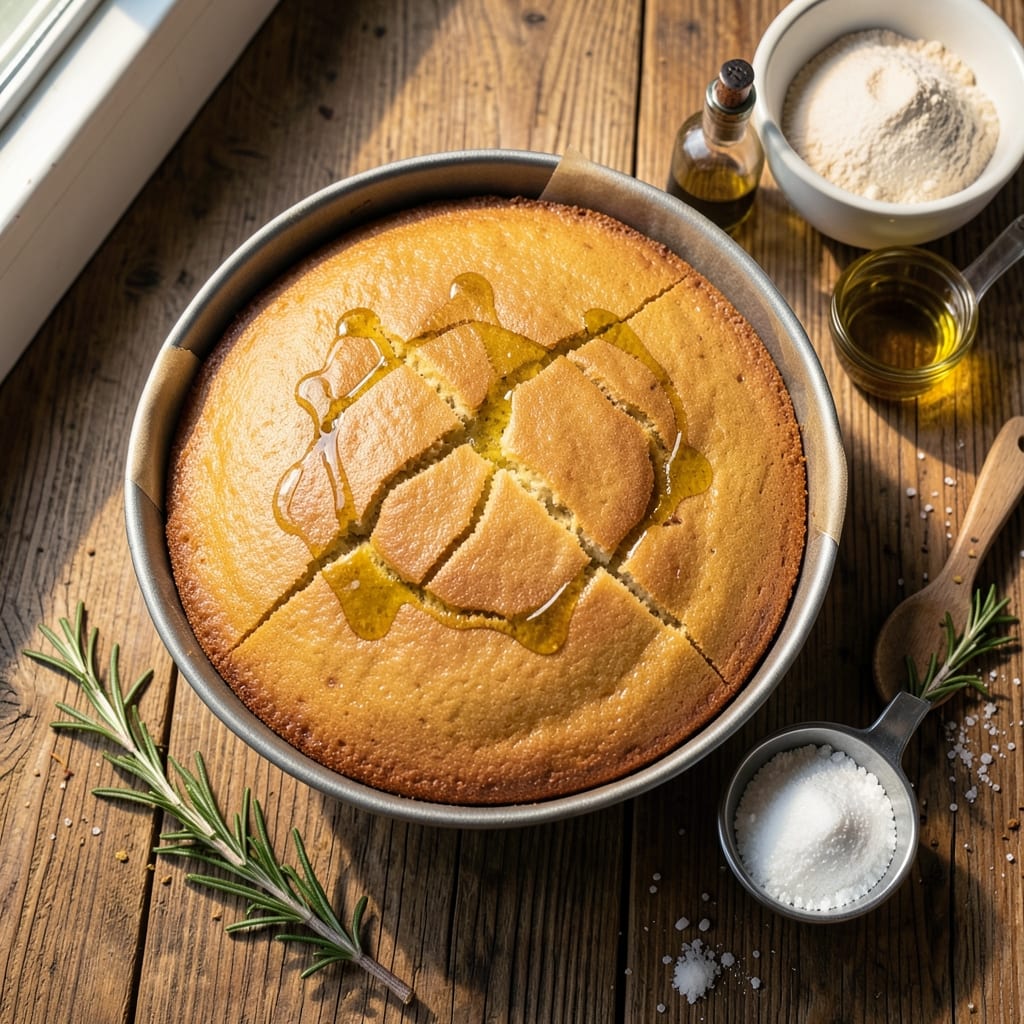
This 2-egg cake recipe no butter delivers surprisingly light, airy layers using olive oil instead of traditional fats—perfect for those watching calories or avoiding dairy. The secret lies in proper whisking and a touch of baking powder, creating a texture so tender it feels like eating clouds. I developed this version after realizing most classic cakes require far more eggs than necessary, and the results are just as impressive.
The beauty of this recipe is its simplicity: five basic ingredients, minimal mixing, and no special equipment beyond a standard mixing bowl. Olive oil replaces butter without sacrificing richness, while the eggs provide structure and moisture. Baking time is short—just 30-35 minutes—making it ideal for last-minute desserts or when you're short on time.
What you'll end up with is a cake that's light as air, with delicate layers and a subtle olive oil flavor that enhances rather than overpowers. The crumb is fine and tender, not dense, and it stays moist for days without drying out. This recipe proves you don't need butter or a dozen eggs to create something extraordinary.
Whether you're baking for a special occasion or just craving something sweet, this cake delivers restaurant-quality results with minimal effort. The technique works equally well for vanilla or chocolate versions—just swap the extract. Let's get baking!
Ingredients for 2 egg cake recipe no butter
Five essential ingredients transform into a cloud-like cake—no butter, no guilt, just pure olive oil magic.
| Ingredient | Amount | Notes |
|---|---|---|
| Extra-Virgin Olive Oil 🫒 | ¾ cup | High-quality, fruity variety preferred |
| Granulated Sugar 🍚 | 1 ½ cups | White or light brown preferred |
| Large Eggs 🥚 | 2 whole | Room temperature for best results |
| All-Purpose Flour 🌾 | 2 cups | Sifted for lightest texture |
| Baking Powder 🧂 | 2 tsp | Aluminum-free for best rise |
| Vanilla Extract 🍯 | 1 tsp | Pure, high-quality extract |
| Salt 🧂 | ½ tsp | Fine sea salt preferred |
| Unsweetened Almond Milk 🥛 | ½ cup | For moisture and tender crumb |
The olive oil is the star here—look for extra-virgin with a vibrant green hue and peppery finish. Ottolenghi or California Gold brands deliver consistent results, but any high-quality olive oil works. Sugar should be fine granulated, not powdered, to avoid altering the texture. For the eggs, room temperature matters—they'll whisk to a lighter volume. Flour? King Arthur or Gold Medal are my go-tos, but any all-purpose will do. The baking powder must be fresh—if it's over six months old, toss it. Vanilla extract should be pure, not imitation, for that authentic flavor punch.
No almond milk? Oat milk or even water works in a pinch, though texture may vary slightly. Running short on vanilla? Almond extract at half the amount adds depth. The sugar can be swapped for coconut sugar (though it may darken the cake slightly), but avoid brown sugar—it alters the crumb structure. For a chocolate version, replace half the sugar with unsweetened cocoa powder and add an extra pinch of salt to balance the bitterness. The olive oil is non-negotiable—vegetable or canola oil won't give the same rich, moist result.
Store the cake in an airtight container at room temperature for up to 3 days, or refrigerate for 5 days if you prefer longer shelf life. For best texture, bring it to room temperature before serving. The layers stay moist surprisingly well—no need for wrapping or special storage. Freezing isn't recommended as the texture can become slightly dense upon thawing. If you're making ahead, bake the layers the day before and assemble fresh for the perfect crumb.
Why You'll Love This Recipe
- No-Fuss Mixing: I swear by this recipe when I’m in a rush—just whisk two eggs, fold in flour and sugar, and pour. The olive oil keeps it tender without needing butter, and the baking powder does all the rising work for you.
- Sweet but Not Heavy: That rich olive oil gives it a subtle depth, while the sugar caramelizes just enough to make it taste like a treat. It’s light enough to eat for breakfast but satisfying enough to feel like dessert.
- Weeknight Workhorse: I make a batch on Sundays and keep it wrapped in the fridge for quick breakfasts or snacks. Slice it thin for toast, cube it for pudding, or eat it straight—it’s always a hit.
- Budget-Friendly Staples: Five ingredients, no specialty items, and it stretches further than most cakes. Honestly, I’ve fed a crowd with half a batch, and the leftovers keep my kids happy between meals.
Step-by-step instructions for olive oil cake with two eggs
This method transforms simple ingredients into a tender, moist cake with perfect rise and delicate texture.
Prepare Your Mixing Tools and Ingredients
Preheat your oven to 350°F and position a rack in the center position. Grease two 8-inch round cake pans with nonstick spray or a thin layer of the 0.75 cup extra-virgin olive oil, then line the bottoms with parchment rounds. This ensures easy release and even baking.
While the oven heats, sift together the 2 cups all-purpose flour, 2 teaspoons baking powder, and 0.5 teaspoon salt in a medium bowl. Set aside. Room temperature ingredients work best here - if your eggs feel chilled, let them sit at room temperature for 10 minutes before using. The olive oil should be at room temperature as well, with a smooth, pourable consistency.
Cream Olive Oil and Sugar
In a large mixing bowl, combine the 0.75 cup extra-virgin olive oil and 1.5 cups granulated sugar. Using an electric mixer on medium speed, beat for 3-4 minutes until the mixture becomes pale and thick. You'll notice the sugar gradually dissolves and the mixture lightens in color - this step is crucial for creating that signature tender crumb.
Here's the thing - olive oil cakes rely on proper emulsification. If you skip this step or rush it, you'll end up with a cake that's dense rather than light. You're looking for a ribbon consistency where the mixture holds its shape when the beaters are lifted. This ensures proper air incorporation for that signature olive oil cake texture.
Add Eggs and Wet Ingredients
Add the 2 whole large eggs, one at a time, beating well after each addition. After the second egg is incorporated, add the 1 teaspoon vanilla extract and mix for 30 seconds until fully combined. The mixture should be smooth and slightly thickened. In a separate small bowl, whisk together the 0.5 cup unsweetened almond milk.
With the mixer running on low speed, gradually add about one-third of the dry ingredients to the wet mixture. This prevents gluten development and creates a lighter texture. Scrape down the sides of the bowl as needed to ensure even mixing. The batter should be smooth but still slightly thick - if it appears too thin, you may need to add an extra tablespoon of flour.
Combine and Bake
Remove the bowl from the mixer and gently fold in the remaining dry ingredients using a spatula, being careful not to overmix. The batter should be smooth with just a few small lumps remaining. Divide the batter evenly between the prepared cake pans, tapping gently to remove any air bubbles. Bake for 25-30 minutes, or until a toothpick inserted in the center comes out clean and the top springs back when gently pressed.
I always check for doneness at the 25-minute mark - your oven may run hotter or cooler, so this timing is just a guideline. The edges should be golden brown while the center remains slightly moist. If the top browns too quickly, tent the pans with aluminum foil during the last 10 minutes of baking to prevent over-browning while ensuring complete doneness.
Cool and Serve
Remove the cakes from the oven and let them cool in the pans for 10 minutes. Then carefully transfer them to a wire rack to cool completely. This gradual cooling prevents the cakes from developing a gummy texture. Once completely cool, you can frost with your favorite glaze or serve as-is to appreciate the natural olive oil flavor.
The secret to serving this cake at its best is patience. While it's tempting to slice immediately, allowing it to cool completely ensures clean slices and proper texture. For the best results, store any leftovers in an airtight container at room temperature for up to 3 days. The olive oil keeps the cake moist longer than traditional butter cakes.
Pro Tips For Making 2 Egg Cake Recipe No Butter
- Whisk Eggs Until Ribbon Stage: I learned this the hard way—skipping this step means a dense, gummy cake. Beat those eggs for a solid 30 seconds past when they look fluffy. You’ll know it’s right when the batter holds a slow ribbon when you lift the whisk.
- Use Room-Temp Eggs and Oil: Cold eggs and olive oil make for a cake that’s unevenly baked. Let both sit out for at least 30 minutes before mixing—yes, even if you’re impatient like me. The batter will come together smoother, and the texture will be lighter.
- Don’t Overmix the Batter: After adding the flour, stop mixing the second everything’s just combined. Overworking it develops gluten, and that’s how you end up with a tough, chewy cake instead of a tender one. Two turns of the spoon is all it takes.
- Grease the Pan Like It’s 1953: This isn’t the prettiest method, but it’s the tastiest: Use a paper towel dipped in olive oil to coat the pan, then dust with flour, tapping out the excess. No flour residue? The cake will stick—guaranteed. (Your future self will thank you.)
Best sauces and condiments for this dish
Lemon Glaze Magic
This zesty glaze transforms your olive oil cake into something extraordinary. Whisk together ½ cup powdered sugar, 2 tablespoons fresh lemon juice (about 1 lemon), and 1 tablespoon lemon zest until smooth. Drizzle over completely cooled cake layers. The acidity cuts through the richness of the olive oil while adding vibrant brightness. For extra sparkle, add 1 teaspoon lemon extract to the glaze mixture. 💛
Chocolate Ganache
For chocolate lovers, melt ½ cup dark chocolate chips (70% cocoa) with ¼ cup heavy cream over a double boiler, stirring until silky smooth. Let cool slightly before pouring between layers or over the top. The deep cocoa pairs beautifully with the subtle olive oil flavor. For a lighter version, use ½ cup white chocolate instead. Add ½ teaspoon vanilla extract to enhance the flavor profile.
Cream Cheese Frosting
Beat 4 ounces cream cheese (softened) with 2 tablespoons powdered sugar and 1 teaspoon vanilla extract until fluffy. Spread between layers for a tangy contrast to the cake's richness. This frosting adds a luxurious texture while balancing the olive oil's natural flavor. For extra richness, whip in 1 tablespoon unsalted butter at the end. Keep the frosting thin—this cake is delicate and doesn't need heavy coverage.
Berry Compote
Simmer 1 cup mixed berries (fresh or frozen) with 2 tablespoons sugar and 1 teaspoon lemon juice for 10 minutes until thickened. Strain and cool before spreading between layers or drizzling on top. The natural sweetness and acidity complement the cake's moisture beautifully. For a summer twist, use raspberries and blackberries—their tartness shines through.
Honey-Drizzle
Warm ¼ cup honey with 1 tablespoon water until pourable, then drizzle over the cake while still slightly warm. The honey's floral notes enhance the olive oil's fruity undertones. For a sophisticated touch, add ½ teaspoon thyme leaves to the honey before warming. This glaze adds a delicate sweetness without overpowering the cake's natural flavors. 🍯
Nutrition facts
Frequently asked questions
Can I substitute olive oil with another fat in this recipe?
Yes, but results may vary. For best texture, use avocado oil or coconut oil (melted). Avoid vegetable oil—it lacks the rich flavor and moisture that olive oil provides. If you must use a neutral oil, reduce the amount by 1 tablespoon to prevent dryness. The olive oil is key to that signature tender crumb!
Why does my cake turn out dense instead of light? Overmixing the batter or under-whipping the olive oil and sugar are the most common culprits.
Can I make this cake in a single layer instead of two?
Use a 9-inch round pan and bake for 30-35 minutes. The baking time may increase slightly due to the larger surface area. For a single-layer cake, reduce the batter by 20% to prevent overflow. This works perfectly for smaller gatherings or when you prefer a simpler presentation.
How do I make this cake chocolate-flavored?
Replace ½ cup sugar with ½ cup unsweetened cocoa powder and add 1 tablespoon espresso powder (optional, enhances chocolate flavor). Use dark chocolate chunks in the batter for extra richness. The olive oil will keep the chocolate moist and fudgy. Adjust baking time by 2-3 minutes if needed.
Can I bake this cake in a convection oven?
Yes, but reduce the temperature by 25°F (to 325°F) and check for doneness at 20 minutes. Convection ovens circulate hot air faster, which can dry out the cake. Tent with foil if the top browns too quickly. The baking time will be slightly shorter—about 20-25 minutes total.