
Desserts
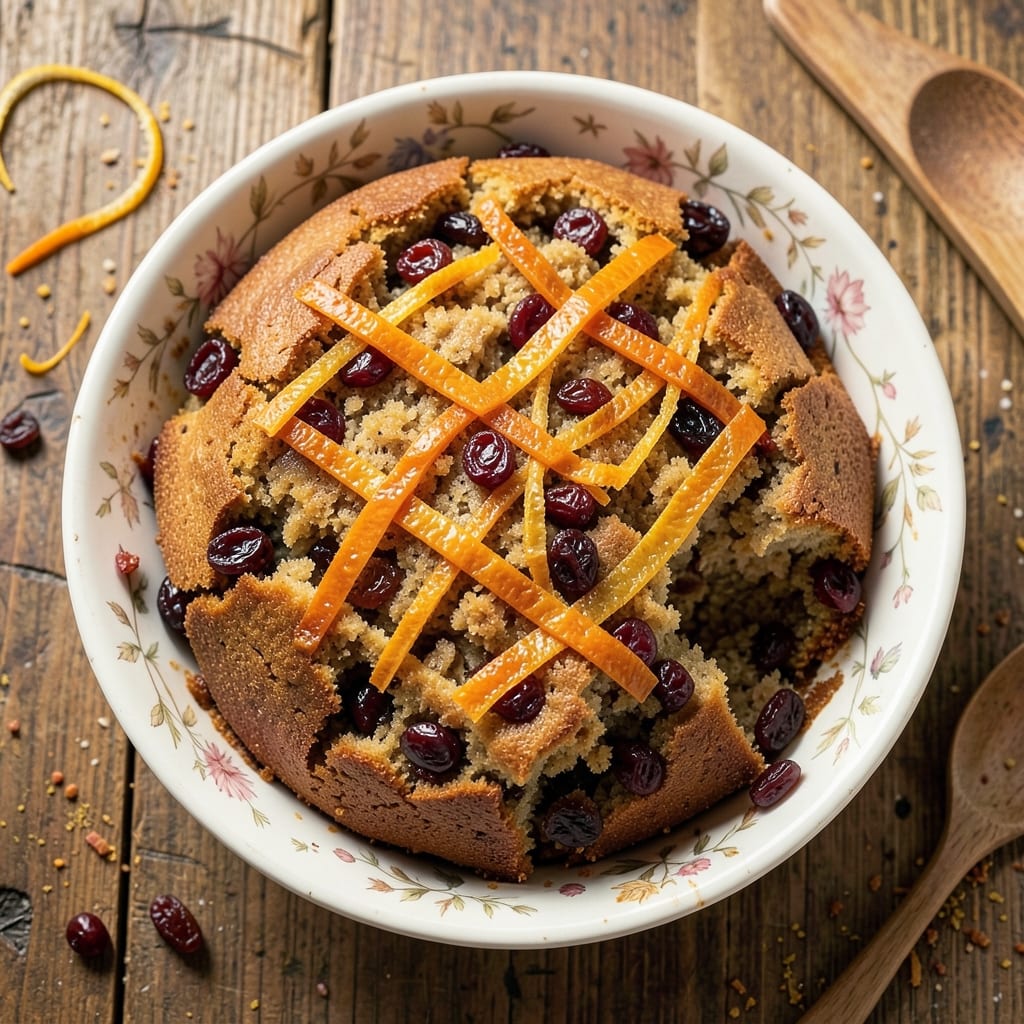
This 1950s fruit cake recipe brings back the rich, spiced nostalgia of holiday tables long gone—where brandy-soaked raisins, candied citrus, and toasted nuts created layers of flavor that kept for months. The secret lies in slow steaming and marbling the batter, a technique that ensures moist, tender crumbs with just the right amount of chew. I first made this version after discovering my grandmother’s yellowed recipe card, and it’s become a tradition that never fails to impress.
The cake’s signature comes from its boozy depth—brandy infused into the dried fruits and marbled into the batter itself, creating pockets of intense flavor that develop even more with time. Warm spices like cinnamon and nutmeg complement the sweetness, while toasted pecans add texture that contrasts beautifully against the soft cake. What makes this recipe special is how it improves with age, becoming more complex and aromatic as the months pass.
By the time it emerges from the oven, you’ll have a golden, domed cake with a delicate crumb and hints of caramelized sugar at the edges. The brandy aroma alone will transport you to a cozy 1950s kitchen, where fruitcakes were baked for holidays and gifted with care. This isn’t just dessert—it’s a piece of culinary history, perfect for gifting or savoring with a cup of tea.
For an extra touch of vintage elegance, consider wrapping the cake in marzipan or dusting it with powdered sugar. The instructions will guide you through every step, from steaming the fruits to marbling the batter, ensuring your fruitcake turns out just as rich and memorable as the ones from decades past.
Ingredients for 1950s fruit cake
Rich flour, sweet sugars, and boozy brandy—this vintage fruit cake is all about nostalgia and layers of flavor.
| Ingredient | Amount | Notes |
|---|---|---|
| All-Purpose Flour 🌾 | 4 cups | Sifted for light texture |
| Granulated Sugar 🍚 | 2 cups | White or light brown |
| Dark Brown Sugar 🍚 | 1 cup | Packed firmly |
| Unsalted Butter 🧈 | 1 ½ cups | Cold, cubed for marbling |
| Large Eggs 🥚 | 4 whole | Room temperature |
| Vanilla Extract 🌿 | 2 tbsp | Pure, high-quality |
| Brandy 🍷 | ½ cup | Good quality, 80 proof |
| Dried Seedless Raisins 🍇 | 2 cups | Plumped in brandy |
| Dried Currants 🍇 | 1 cup | Plumped in brandy |
| Candied Orange Peel 🍊 | 1 cup | Finely chopped |
| Toasted Pecans 🥜 | 2 cups | Chopped roughly |
| Ground Cinnamon 🌿 | 2 tsp | Freshly ground preferred |
| Ground Nutmeg 🌿 | 1 tsp | Freshly grated |
| Ground Allspice 🌶️ | 1 tsp | For depth of flavor |
| Salt 🧂 | 1 tsp | Kosher or sea salt |
The brandy is non-negotiable—it’s what gives this cake its signature depth. Look for a good-quality brandy at liquor stores or even a well-aged rum if you prefer. The dried fruits need to soak overnight in the brandy, so plan ahead. Penzeys or local spice shops often carry the best cinnamon and nutmeg, but the grocery store stuff works fine. For the pecans, toast them in a dry pan until fragrant—this adds a whole new dimension to the flavor. The candied orange peel can be found in the baking aisle or at specialty stores like Williams Sonoma.
No brandy? Rum or bourbon works too, but the flavor will be slightly different. Short on raisins? Dried cherries or apricots are great swaps—just adjust the soaking time. The candied peel can be homemade by simmering orange peel in sugar syrup, but store-bought is perfectly fine. For the spices, if you can’t find freshly ground nutmeg, pre-ground is okay, but toast the whole nutmeg seeds first for better flavor. The butter must be cold when marbled into the batter—this creates those signature pockets of richness that make this cake so special.
This cake tastes even better after a few weeks, so bake it early and store it properly. Wrap tightly in plastic wrap, then place in an airtight container. Keeps for up to 3 months at room temperature. For gifting, wrap in marzipan or dust with powdered sugar. The brandy-soaked fruits intensify over time, so the longer it sits, the more complex the flavors become. Trust me—this cake gets better with age, just like the memories it evokes.
Why You'll Love This Recipe
- No Mixer Needed: I swear by this recipe because it’s the rare cake that doesn’t demand a stand mixer. Creaming butter, sugar, and eggs by hand gives it that old-school richness—no fancy equipment, just elbow grease and patience (which, honestly, makes it feel like a cozy project).
- Sweet & Spiced Magic: That combo of granulated and dark brown sugar? Chef’s kiss. The brown sugar caramelizes just enough to add depth, while the butter keeps it moist without being greasy. It’s the kind of cake that tastes even better the next day—if you can wait.
- Holiday or Snack Attack: Between us, this cake is my go-to for Christmas gifts, but it’s also the perfect after-dinner treat when company drops by. Slice it thin for tea time or serve it thick with whipped cream—it works every time.
- Pantry Staple Power: Flour, sugar, butter, eggs—these are ingredients you already have. No specialty items, no last-minute grocery runs. And because it keeps for weeks (if it lasts that long), it’s basically free insurance against forgettable desserts.
Step-by-step instructions for 1950s fruit cake
A classic holiday treat that gets better with age—here's how to bake it just like grandma did.
Prepare the Fruit and Nuts
In a large bowl, combine the 2 cups dried seedless raisins and 1 cup dried currants with the 0.5 cup brandy. Let them soak for at least 30 minutes (or up to 24 hours for deeper flavor). This step is crucial—it plumps the dried fruit and infuses it with brandy's rich aroma. Chop the 1 cup candied orange peel into small pieces and add it to the bowl with the soaked fruit.
In a separate bowl, gently toss the 2 cups toasted pecans with 1 teaspoon ground cinnamon, 0.5 teaspoon ground nutmeg, and 0.5 teaspoon ground allspice. This ensures the nuts are evenly seasoned and ready to distribute throughout the cake. The spices will complement the fruit's sweetness perfectly, creating that nostalgic holiday flavor.
Cream Butter and Sugars
In a stand mixer fitted with the paddle attachment, beat the 1.5 cups unsalted butter (cold and cubed) with the 2 cups granulated sugar and 1 cup dark brown sugar on medium speed for 3-4 minutes. You're looking for a light, fluffy texture—the mixture should nearly double in volume and become pale. This creaming process incorporates air, which helps create a tender crumb.
Add the 4 whole large eggs, one at a time, mixing well after each addition. Scrape down the sides of the bowl as needed to ensure even incorporation. The eggs add moisture and structure, but be careful not to overmix—just until the mixture is smooth and slightly thickened. This step sets the foundation for a moist, flavorful cake.
Combine Wet and Dry Ingredients
In a separate bowl, whisk together the 4 cups all-purpose flour, 2 teaspoons ground cinnamon, 1 teaspoon ground nutmeg, 1 teaspoon ground allspice, and 1 teaspoon salt. Sift the flour mixture into the butter-sugar mixture in three additions, mixing on low speed after each addition just until combined. Overmixing develops gluten, which can make the cake dense.
Add the 2 tablespoons vanilla extract and the soaked fruit mixture (including the brandy) to the batter. Mix on low speed until just combined—you should still see streaks of flour. Fold in the seasoned pecans by hand with a spatula to avoid overmixing. The batter will be thick and sticky, but that's perfect. Let it rest for 10 minutes at room temperature before baking.
Bake for Maximum Flavor
Preheat your oven to 325°F and grease two 9-inch round cake pans (or one 10-inch tube pan). Divide the batter evenly between the pans and smooth the tops. Bake for 50-60 minutes, or until a toothpick inserted into the center comes out clean. The cake should be golden brown and spring back when gently pressed.
For an old-fashioned touch, I like to invert the cakes onto a wire rack immediately after baking to cool. This helps them set more evenly and prevents a soggy bottom. Once cooled, wrap the cakes tightly in plastic wrap and store them in an airtight container at room temperature for at least 2 weeks (or up to 3 months). The flavors deepen and mellow over time, making it even more delicious.
Serve with Holiday Cheer
Slice the cake into thick pieces and serve with a dusting of powdered sugar or a drizzle of warmed brandy butter. The combination of plump raisins, chewy pecans, and spiced brandy creates a rich, complex flavor that’s perfect for holiday gatherings. Pair it with a cup of strong coffee or a glass of fortified wine for the ultimate 1950s-inspired dessert experience.
This cake tastes even better the longer it sits, so plan ahead—it’s the kind of treat that gets better with age, just like the memories it brings back. Enjoy every slice with a smile!
Pro Tips For Making 1950s Fruit Cake
- CREAM THE BUTTER SLOW: I learned this the hard way—dumping cold butter into sugar and eggs at once makes the batter gloppy and uneven. Instead, soften the butter just until it yields to light pressure (about 65°F), then mix it with the sugars gradually while beating the eggs separately first. The goal is a ribbon stage—when the mixture holds a trail for 2 seconds. This keeps the cake tender, not dense.
- WEIGH THE FLOUR: Scooping flour straight from the bag packs it down, and that’s how you end up with a dry, crumbly cake. Use a kitchen scale for precision—1950s recipes often relied on volume, but modern all-purpose flour varies in density. Spoon it into the measuring cup, then level it off with a knife. A little less flour means more moisture, which keeps the cake rich and moist.
- BAKE LOW AND LONG: Skip the urge to crank the oven to 350°F—this cake needs patience. Start at 325°F and bake it uncovered for the full time (usually 1.5–2 hours). The lower heat ensures even cooking without a dry crust, and the longer bake time lets the fruit and spices meld. If the top browns too fast, tent it loosely with foil after 45 minutes.
- SOAK THE FRUIT: If your recipe calls for dried fruit (common in 1950s cakes), soak it in warm tea or rum for at least 30 minutes before folding it in. This rehydrates the fruit and infuses it with flavor—no soggy surprises later. Drain well, but don’t wring it out; excess liquid makes the batter too wet. (Yes, even if you’re impatient like me.)
Wine and beer pairings for this dish
Fortified Wines
The brandy-soaked richness of this fruit cake pairs beautifully with fortified wines that complement its spiced, boozy depth. A glass of Port—specifically a Ruby Port—mirrors the cake’s caramelized sugar notes and toasted pecans while its velvety texture balances the dense crumb. For a lighter option, Madeira (especially the Malmsey variety) enhances the citrusy candied peel with its honeyed sweetness and tropical undertones. These wines bridge the cake’s vintage charm and modern sophistication. 🍷
Dessert Sherries
Spanish Pedro Ximénez Sherry is a match made in dessert heaven—its intense raisin and fig flavors harmonize perfectly with the cake’s brandy-soaked fruits. The wine’s syrupy texture and dark fruit notes amplify the cake’s chewy texture and spiced warmth. For a drier contrast, Amontillado Sherry offers nutty, caramelized depth that cuts through the richness, creating a balanced pairing. Serve chilled to let the wine’s acidity refresh your palate between bites. 🥂
Spiced Rum Cocktails
If wine isn’t your thing, a Dark 'n' Stormy (ginger beer and Gosling’s Black Seal Rum) brings a refreshing twist. The ginger’s zesty kick contrasts the cake’s sweetness, while the rum’s molasses notes echo the brandy’s depth. For a non-alcoholic option, spiced chai tea with cinnamon and cardamom mirrors the cake’s warm spices—just steep 2 chai tea bags in 1 cup hot milk for a cozy pairing. ☕
Beer Pairings
A Belgian Quadrupel like Westvleteren 12 stands up to the cake’s intensity with its rich, caramelized malt and dark fruit notes. The beer’s alcohol content (around 10% ABV) matches the brandy’s boldness, while its spiced yeast character complements the nutmeg and allspice. For a lighter option, a Belgian Dubbel (like Rodenbach) offers a balance of sweetness and earthiness that won’t overpower the cake’s layers. 🍺
Coffee Contrasts
Finish your dessert with a strong Italian espresso or Vietnamese drip coffee—the bold, slightly bitter notes cleanse your palate between each rich bite. For an iced twist, try a cold brew with vanilla syrup to highlight the cake’s vanilla and citrus undertones. The coffee’s acidity also helps reset your taste buds, making each slice taste even more vibrant. ☕
Nutrition facts
Frequently asked questions
Why does this 1950s fruit cake need to rest before serving?
The resting period (at least 2 weeks) allows the brandy to fully infuse the dried fruits and the flavors to meld together. The cake's texture also improves as the moisture redistributes, preventing a dry crumb. This aging process is what gives it that authentic vintage taste that gets better with time!
Can I substitute brandy with another alcohol?
Yes! You can use rum or bourbon in equal amounts, though the flavor profile will differ slightly. Rum adds molasses notes while bourbon contributes caramel and vanilla undertones. For a non-alcoholic version, use apple juice or orange juice instead, but the cake won't develop the same depth of flavor.
What's the best way to store this cake for gifting?
Wrap the cooled cake tightly in plastic wrap, then place it in an airtight container. For extra protection, add a layer of parchment paper between layers if stacking. Store at room temperature for up to 3 months. The longer it sits, the more complex the flavors become—perfect for holiday gifts that keep giving!
Why does the recipe call for cold butter?
The cold butter creates pockets of richness when marbled into the batter, giving the cake its signature moist texture. If your butter melts during mixing, chill the batter for 15 minutes before baking. This technique is key to achieving that authentic 1950s fruitcake texture that stays tender for months.
Can I make this cake in a bundt pan instead?
While possible, the recipe is designed for round or tube pans to create even layers. A bundt pan would give a different shape but might affect the baking time and texture distribution. If you try it, reduce baking time by 10-15 minutes and check for doneness early, as bundt cakes often bake faster.