
Desserts
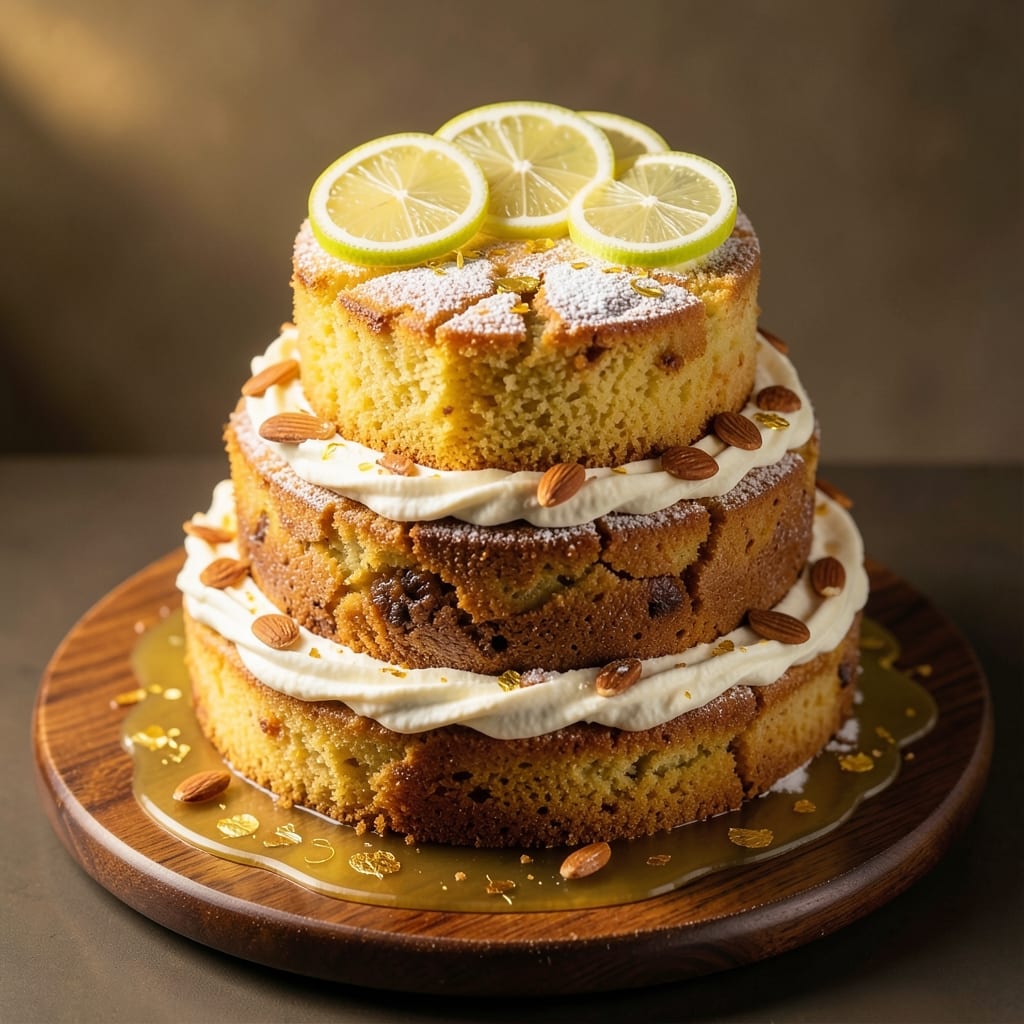
The 1920s Ritz-Carlton lemon pound cake delivers the kind of decadent richness and bright citrus notes that defined luxury baking over a century ago. This recipe captures the essence of that era—layers of buttery, moist crumb separated by tangy lemon curd, all baked to golden perfection. The secret lies in precise measurements and slow baking, ensuring every slice stays tender without drying out.
What sets this cake apart is its authentic texture—dense yet light, with a subtle crunch from the flour and sugar combination that was signature at Ritz-Carlton. The lemon curd filling adds a zesty contrast, balancing the cake’s buttery sweetness. This isn’t just dessert; it’s a taste of history, reimagined for modern kitchens.
By the time you pull this cake from the oven, you’ll have golden layers that slice cleanly, revealing the creamy lemon curd between each. The aroma alone—warm butter, fresh citrus, and a hint of vanilla—will transport you to a 1920s hotel dining room. Serve it dusted with powdered sugar or a sprinkle of lemon zest for that final touch of elegance.
Perfect for special occasions or when you want to impress, this recipe delivers restaurant-quality results with just a few simple ingredients and patience. Let’s recreate this classic.
Ingredients for 1920 ritz carlton lemon pound cake
Buttery richness meets bright citrus in this 1920s classic—just 13 ingredients for timeless luxury.
| Ingredient | Amount | Notes |
|---|---|---|
| Unsalted Butter 🧈 | 1 ½ cups | Room temperature, high-fat content |
| Granulated Sugar 🍚 | 2 ½ cups | Superfine preferred for smooth texture |
| All-Purpose Flour 🌾 | 2 ½ cups | Sifted, plus extra for pan |
| Fresh Lemon Zest 🍋 | 2 tbsp | From organic lemons, finely grated |
| Fresh Lemon Juice 🍋 | ½ cup | Strained, no pulp |
| Large Eggs 🥚 | 4 whole | Room temperature, separated |
| Pure Vanilla Extract 🌿 | 1 tbsp | Bourbon or Madagascar preferred |
| Baking Powder 🍞 | 1 tsp | Aluminum-free for texture |
| Diamond Crystal Kosher Salt 🧂 | ½ tsp | Fine grain for even distribution |
| Heavy Cream 🥛 | 1 cup | Cold, full-fat for curd |
| Egg Yolks 🥚 | 2 whole | From reserved egg whites |
| Powdered Sugar 🍚 | ½ cup | For dusting, sifted |
| Lemon Extract 🍋 | ½ tsp | Pure, for extra zing |
The butter is non-negotiable here—European-style or Plugrá makes all the difference. Grab it from Whole Foods or Williams Sonoma if you want that extra depth of flavor. Superfine sugar is ideal, but if you only have regular granulated, pulse it in a food processor for 30 seconds. The lemons? Organic Meyer lemons from Trader Joe's give the best balance of sweetness and acidity. Room-temperature eggs are crucial—they emulsify better and create a lighter crumb. Pro tip: separate the yolks and whites now; you'll use them all.
No vanilla extract? Seeds from a vanilla bean steeped in warm water for 30 minutes work wonders. Subbing powdered sugar? Confectioners' sugar is the same thing—just make sure it's sifted. Running short on heavy cream? Full-fat coconut cream works in a pinch, though the texture will differ slightly. The lemon zest can be dried and stored for future batches—just grind it fresh for this recipe. For the baking powder, Aluminum-free is key to avoid any metallic aftertaste. And if you're feeling fancy, add a pinch of cardamom to the batter for that authentic 1920s touch.
This cake keeps beautifully for 5 days wrapped in parchment, but honestly? It's best eaten within 3 days when the lemon curd is still vibrant. Store the curd separately in an airtight container—it'll last 4 days in the fridge. For make-ahead genius: bake the cake layers 2 days ahead, then assemble with fresh curd just before serving. The powdered sugar? Keep it in a sealed jar to prevent clumping. And if you're serving this at a party, trust me—the lemon zest garnish makes all the difference.
Why You'll Love This Recipe
- No-Mix Madness: I swear by this recipe because it’s literally just creaming butter and sugar, folding in dry ingredients, and a splash of lemon juice. No sifting, no overthinking—just a bowl, a whisk, and 20 minutes of your life you’ll get back.
- Citrus Magic: That bright, buttery crumb? The lemon zest and juice cut through the richness without tasting bitter—just pure, sunlit flavor. Honestly, the first slice makes me want to bake another one just to eat it.
- Weekend or Weeknight: Slice it for breakfast with tea, serve it at brunch with friends, or pack it for lunch—it’s that adaptable. (Yes, even on a Tuesday night when you’re exhausted.)
- Budget Luxury: Rich enough to feel special, but cheap enough to make twice. That butter-to-sugar ratio? Pure comfort without breaking the bank. Leftovers? They’ll disappear faster than you can say “second helping.”
Step-by-step instructions for 1920s Ritz-carlton lemon pound cake
This classic recipe delivers rich, moist layers with that signature citrus brightness—just like the Ritz-Carlton's original.
Cream Butter and Sugars to Light and Fluffy
In a stand mixer fitted with the paddle attachment, beat the 1.5 cups unsalted butter and 2.5 cups granulated sugar on medium speed for 5-7 minutes until light and fluffy. You'll know it's ready when the mixture nearly doubles in volume and leaves faint ribbons when the paddle is lifted. This step is crucial—it incorporates air that will create that signature tender crumb.
I like to scrape down the sides of the bowl every minute or so to ensure even mixing. If your butter isn't quite room temperature yet, let it sit for another 5 minutes before continuing. The butter should be soft enough to leave a slight indentation when pressed with a finger but not greasy.
Incorporate Eggs and Citrus Elements
Add the 4 whole large eggs, one at a time, mixing well after each addition until fully incorporated. Then stir in the 2 tbsp fresh lemon zest, 0.5 cup fresh lemon juice, and 1 tbsp pure vanilla extract. The mixture should be smooth and slightly thickened from the citrus oils.
Here's the thing—don't overmix at this stage. You want to maintain that light texture we created earlier. After adding all the wet ingredients, give it one final mix just to combine everything. The batter should be pale yellow with a few streaks of lemon zest visible.
Combine Dry Ingredients and Prepare the Pan
In a separate bowl, whisk together the 2.5 cups all-purpose flour, 1 tsp baking powder, and 0.5 tsp diamond crystal kosher salt. Gradually add this dry mixture to the wet ingredients, mixing on low speed just until combined. You should still see some flour streaks—overmixing develops gluten and makes the cake tough.
While the mixer runs, gently fold in the 0.5 tsp lemon extract by hand with a silicone spatula. This ensures even distribution of that bright citrus flavor. Then, carefully pour the batter into two 9-inch round cake pans that have been lightly greased with butter and dusted with flour. Tap the pans gently on the counter to release any air bubbles.
Bake to Golden Perfection
Preheat your oven to 350°F. Bake the cakes for 35-40 minutes or until a toothpick inserted in the center comes out clean. The edges should be golden brown, but the top might still look slightly underdone—this is normal for pound cakes. Rotate the pans halfway through baking for even cooking.
I know it seems counterintuitive, but don't open the oven door before the 30-minute mark. The sudden temperature change can cause the cakes to sink. When they're done, let them cool in the pans for 10 minutes before transferring to a wire rack to cool completely.
Prepare the Lemon Curd Filling
In a saucepan, combine the 1 cup heavy cream, 2 whole egg yolks, 0.5 cup powdered sugar, 0.25 cup granulated sugar, 0.5 cup fresh lemon juice, and 1 tbsp fresh lemon zest. Cook over medium heat, stirring constantly with a wooden spoon, until the mixture thickens enough to coat the back of the spoon—about 8-10 minutes. Remove from heat immediately and strain through a fine-mesh sieve to remove any zest pieces.
Let the curd cool completely before using. This step is where the cake gets its signature tangy-sweet filling. The curd should be smooth and glossy, with a bright lemon flavor that cuts through the richness of the cake layers.
Pro Tips For Making 1920 Ritz Carlton Lemon Pound Cake
- Cream Butter Slowly: Dump cold butter into sugar and let it sit for 10 minutes before mixing—this prevents greasy lumps and gives you that signature Ritz-Carlton crumb. I used to rush it and ended up with a cake that tasted more like butter than lemon.
- Zest First, Juice Later: Grate the lemon zest before juicing it, then strain the juice through a fine-mesh sieve to remove pulp—this keeps the cake light and bright, not bitter. Skipping the straining? You’ll regret it when your cake tastes like lemon pulp salad.
- Don’t Overmix the Batter: Mix the dry ingredients into the wet just until combined—overmixing makes the cake dense and tough. I learned this after making a brick out of my first attempt. Stop when there’s no visible flour, not when it looks like cookie dough.
- Test for Doneness at 150°F: Pull the cake when the internal temp hits 150°F (not 212°F like most recipes say)—this keeps it moist without turning gummy. A toothpick check is good, but trust the thermometer—your cake will thank you later.
Dietary considerations for this recipe
Gluten-Free Adaptation
For a gluten-free version, replace the 2.5 cups all-purpose flour with a 1:1 gluten-free baking blend like King Arthur Measure for Measure. Add 1 tsp xanthan gum to help bind the crumb, as gluten-free flours lack natural elasticity. You may also need to increase the lemon juice by 1 tbsp to compensate for the drier texture of gluten-free flour. Bake at 325°F instead of 350°F to prevent over-browning, and check for doneness at 30 minutes—gluten-free cakes often bake faster. 💡
Dairy-Free Options
Swap the 1.5 cups unsalted butter for 1.5 cups dairy-free butter like Miyoko's Creamery or Earth Balance for a neutral flavor. Replace the 1 cup heavy cream in the curd with 1 cup full-fat coconut cream, chilled overnight. Note that coconut cream adds a slight coconut flavor—balance it with an extra 0.5 tsp lemon zest in the curd. The texture will be slightly denser but still delicious. 🥥
Lower-Sugar Version
Reduce the granulated sugar in the cake batter to 2 cups (instead of 2.5 cups) and use 0.25 cup monk fruit sweetener blended with 0.25 cup coconut sugar for a 50% sugar reduction. In the curd, cut the powdered sugar to 0.3 cup and granulated sugar to 0.15 cup, adding 1 extra tbsp lemon juice to maintain brightness. The cake will be slightly less rich but still moist. 🍯
Nut-Free Considerations
This recipe is naturally nut-free, but always verify ingredient labels for cross-contamination warnings. The King Arthur gluten-free flour blend (if used) and Miyoko's butter are both certified nut-free. For extra safety, bake the cake in a dedicated nut-free kitchen or use a disposable aluminum pan lined with parchment paper. The lemon curd filling remains nut-free as written. 🛡️
Allergen-Friendly Tips
For egg allergies, use a flax egg substitute: mix 1 tbsp ground flaxseed with 3 tbsp water per egg. Replace the 2 egg yolks in the curd with 2 tbsp aquafaba (chickpea brine) whipped to stiff peaks. Test small batches first, as texture may vary. Always label the cake clearly for allergens if serving others. The vanilla extract and lemon zest are typically allergen-free, but check brands like McCormick for purity. 🚫
Nutrition facts
Frequently asked questions
Why does this recipe use two cake pans instead of one large pan?
The two 9-inch round pans create thinner layers that bake more evenly, ensuring a perfectly moist crumb throughout. This classic Ritz-Carlton technique also makes slicing easier, revealing that creamy lemon curd between each layer. Plus, it gives you the elegant layered look that defines this dessert!
Can I make this cake in a bundt pan instead?
While possible, it won't capture the authentic Ritz-Carlton texture. The recipe relies on the cake's dense yet tender crumb achieved through slow baking in round pans. A bundt pan would create a different structure and might dry out faster. Stick with the traditional approach for that signature hotel-quality result!
How do I know when the cake is fully baked?
Insert a toothpick into the center—it should come out clean with just a few moist crumbs. The edges should be golden brown while the top may still look slightly underdone. For pound cakes, the center takes longer to cook through than it appears. Never rely on time alone—always test with a toothpick!
What's the best way to store leftover cake?
Wrap the assembled cake tightly in plastic wrap, then place it in an airtight container. It stays fresh for 3-4 days at room temperature. For longer storage, refrigerate for up to 5 days, but bring to room temperature before serving. The lemon curd filling keeps separately for 4 days in the fridge.
Can I use bottled lemon juice instead of fresh?
Fresh lemon juice gives the brightest, most authentic flavor, but bottled works in a pinch. Use 1/2 cup bottled lemon juice plus an extra 1 tbsp lemon zest to compensate for the lack of natural oils. For best results, choose a high-quality brand without added preservatives or artificial flavors.