
Desserts
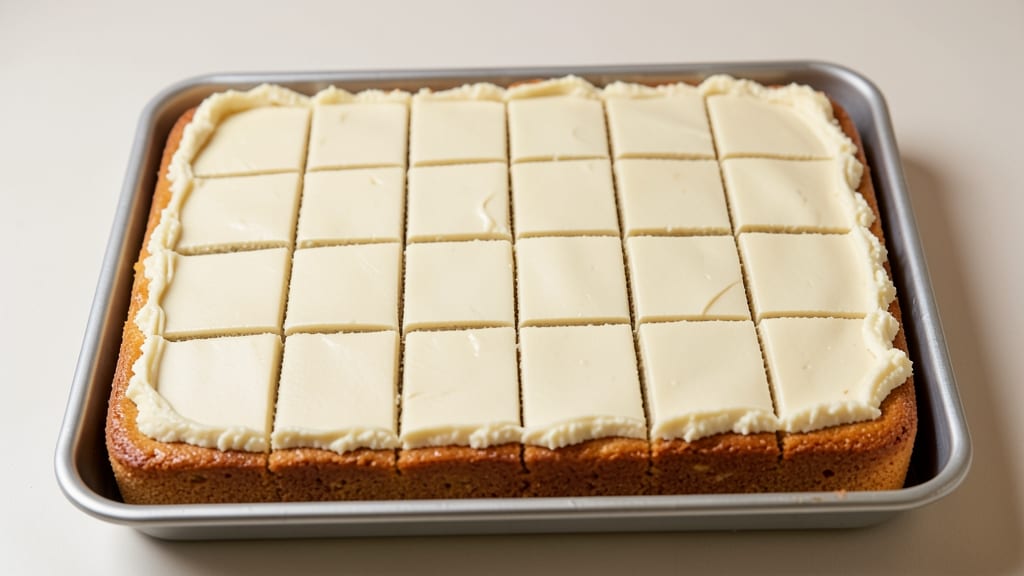
A 13x18 sheet cake baked to perfection is the secret weapon for crowd-pleasing desserts that stay sturdy and delicious. This recipe delivers a foolproof method for achieving even layers, crisp edges, and a flawless finish—no professional equipment required. The key lies in precise measurements, proper oven temperature, and a reliable frosting technique that won’t crack under pressure.
What sets this recipe apart is its professional-level consistency, whether you're making a classic vanilla, rich chocolate, or specialty flavor. The cake batter is designed to bake evenly in a large pan, while the frosting—whether buttercream, ganache, or cream cheese—stays smooth and stable. No more worrying about collapsing layers or uneven baking when serving a crowd.
By the time you’re done, you’ll have a showstopping dessert that’s sturdy enough for cutting into perfect squares and visually impressive enough for any occasion. The texture is moist yet firm, with a golden crust that’s impossible to resist. This is the kind of cake that makes you look like a baking pro, even if you’re just starting out.
Ready to bake a crowd-pleaser that’s both easy to make and impossible to mess up? Let’s get started with the foolproof steps that guarantee success every time.
Ingredients for 13x18 sheet cake
Twelve ingredients, one flawless sheet cake—perfect for feeding crowds without the stress.
| Ingredient | Amount | Notes |
|---|---|---|
| All-Purpose Flour 🌾 | 4 cups | Sifted for even texture |
| Granulated Sugar 🍚 | 2 ½ cups | Superfine preferred for smoothness |
| Unsalted Butter 🧈 | 1 ½ cups | Room temperature, cubed |
| Large Eggs 🥚 | 6 whole | Room temperature for even baking |
| Vanilla Extract 🌿 | 2 tbsp | Pure, high-quality extract |
| Baking Powder 🧂 | 2 tbsp | Freshly measured for lift |
| Salt 🧂 | ½ tsp | Fine sea salt preferred |
| Milk 🥛 | 1 ½ cups | Whole milk for richness |
| Vegetable Oil 🫒 | ½ cup | Light, neutral flavor |
| Cornstarch 🌾 | 2 tbsp | For tender crumb |
| Buttercream Frosting 🧈 | 6 cups | Classic or flavored variety |
| Powdered Sugar 🍚 | 4 cups | Sifted for smooth frosting |
| Heavy Whipping Cream 🥛 | 1 ½ cups | Cold for stiff peaks |
The flour and sugar are your foundation. King Arthur or Gold Medal flour delivers the best texture—light and tender without being crumbly. For sugar, superfine makes all the difference (no gritty texture). Butter? Land O’Lakes or Plugrá work perfectly, but avoid salted—you’re controlling the salt here. Room temperature is key: cold butter creates lumps, and melted butter makes the cake dense. I always cube mine and let it sit on the counter for 2 hours before mixing. The vanilla extract should be pure—Nielsen-Massey or McCormick are reliable choices. Baking powder and salt? Fresh is non-negotiable—old baking powder won’t rise, and table salt can make your cake taste flat.
No superfine sugar? Pulse regular granulated sugar in a food processor for 30 seconds—instant upgrade. Short on butter? Substitute with vegetable shortening (same amount), but the cake won’t be as moist. Milk can be swapped for cream (same amount) for extra richness, or water + 1 tbsp melted butter in a pinch. The cornstarch is optional but worth it—it keeps the crumb ultra-tender, especially for a large sheet cake. For frosting, buttercream is foolproof, but ganache (equal parts chocolate and cream) or cream cheese frosting (8 oz cream cheese + 1 cup butter + powdered sugar) work too. Pro tip: chill your cake layers for 1 hour before frosting—it prevents soggy bottoms.
This cake keeps covered at room temperature for 2 days, but it’s best enjoyed fresh. For longer storage, wrap tightly in plastic wrap and refrigerate for up to 5 days. Freeze for up to 3 months by wrapping each layer individually in plastic, then in foil. Thaw overnight in the fridge. The frosting can be made a day ahead—store in an airtight container in the fridge and rewhip before using. To avoid cracks, pipe frosting in vertical strokes and smooth with a spatula. For a showstopping finish, dust with powdered sugar or sprinkle with colored sanding sugar before serving.
Why You'll Love This Recipe
- No-Fuss Mixing: I swear by the creamy butter-and-sugar base—just cream, then fold in eggs and vanilla until it’s just combined. No overmixing, no lumps, no stress. That’s the magic of a simple sheet cake: the batter comes together faster than you can grease the pan.
- Vanilla Butter Bliss: The moment that warm vanilla scent hits you when you pull it from the oven? Chef’s kiss. The butter keeps it moist, the sugar caramelizes just enough, and that vanilla extract—don’t skimp—makes every slice taste like a hug. It’s the kind of cake that disappears faster than you can say “seconds, please.”
- Party in a Pan: One big sheet feeds a crowd without the fuss of individual layers. Need a potluck dessert? A last-minute office celebration? This handles it all. Just slice it up, and suddenly you’re the hero—no fancy plating required.
- Budget-Friendly Staples: Flour, sugar, butter, eggs—these are the ingredients you already have. No specialty items, no markup nonsense. Bake half, freeze half, and you’ve got a dessert ready for whenever. My wallet (and my guests) thank me every time.
Step-by-step instructions for precision baked sheet cakes
Here's how to bake a sturdy, crowd-ready sheet cake that stays intact even when sliced.
Prepare the Cake Batter with Precision
Preheat your oven to 350°F and grease two 13x18-inch half-sheet pans thoroughly with vegetable oil, then dust with flour. This prevents sticking and ensures easy removal. Sift together the 4 cups all-purpose flour, 2 tbsp baking powder, 2 tbsp cornstarch, and 0.5 tsp salt in a large bowl—sifting removes lumps and ensures even distribution.
In a separate large bowl, cream the 1.5 cups unsalted butter and 2.5 cups granulated sugar on medium speed until light and fluffy—about 3-4 minutes. Add the 6 whole large eggs, one at a time, mixing well after each addition. This step incorporates air, which helps the cake rise evenly. Stir in the 2 tbsp vanilla extract and 1.5 cups milk until just combined.
Combine Wet and Dry Ingredients Gently
Gradually add the dry ingredients to the wet mixture, mixing on low speed just until combined—overmixing develops gluten and makes the cake tough. The batter should be smooth but slightly thick. Fold in the 0.5 cup vegetable oil to keep the texture tender. Divide the batter evenly between the two prepared pans, spreading it into the corners to ensure even baking.
Here's the thing—don't overfill the pans. The batter should be about ½-inch thick after spreading. If it's too thick, it may not bake evenly or could collapse. Tap the pans gently on the counter to release any air bubbles before baking.
Bake the Cakes Low and Slow
Bake the cakes for 20-25 minutes until a toothpick inserted into the center comes out clean. The edges should be golden brown, but the top may still look slightly underdone—this is normal for sheet cakes. Rotate the pans halfway through baking to ensure even heat distribution. If your oven runs hot, start checking at the 18-minute mark.
Don't open the oven early—this causes the cakes to sink. Once baked, remove them from the oven and let them cool in the pans for 10 minutes before transferring to a wire rack to cool completely. This gradual cooling prevents cracking and ensures even texture.
Assemble the Cake with Stability in Mind
Once both cakes are completely cool, place one layer on a cake board or large serving tray. Spread 3 cups buttercream frosting evenly over the top, leaving a ½-inch border unfrosted. This prevents the frosting from sliding off when sliced. Place the second layer on top and frost the entire cake, including the sides, with the remaining 3 cups buttercream frosting.
For extra stability, chill the cake in the refrigerator for 30 minutes before slicing. This firms up the frosting and makes it easier to serve without collapse. Use a sharp serrated knife and dip it in hot water between slices for clean cuts. Serve immediately for the best texture and presentation.
Frost with Whipped Cream for Elegance (Optional)
If you want to elevate the presentation, whip the 1.5 cups heavy whipping cream with the 4 cups powdered sugar until stiff peaks form. Pipe this mixture around the edges of the cake for a decorative border. This step adds a professional touch and keeps the cake looking fresh even when sliced.
This cake is designed to feed a crowd without falling apart. The key is patience—rushing the cooling or frosting steps can lead to disaster. Serve slices on sturdy plates to handle the generous portions, and enjoy the satisfaction of a perfectly baked, crowd-pleasing dessert.
Pro Tips For Making 13x18 Sheet Cake
- Weigh Your Butter: Butter is the only ingredient where volume measurements (like cups) can ruin your cake. After years of uneven layers, I switched to grams—13x18 sheet cakes need exactly 340g (2½ sticks) softened to room temp, not melted. Press it into the flour with your fingers first; it distributes better than cutting cubes.
- Skip the Overmixing: The moment your batter looks like glue, stop. I used to beat this until smooth, but that develops gluten and turns your cake dense. Mix just until the flour disappears—about 20 seconds after the last dry spot vanishes. A wooden spoon works better than a mixer here.
- Preheat Pan + Parchment: Cold pans cause uneven baking. Run your 13x18 sheet pan and parchment through the oven for 5 minutes at 350°F before adding batter. The parchment should crisp slightly—this guarantees edges bake while the center rises properly. (Yes, even if you’re impatient like me.)
- Eggs at Room Temp: Cold eggs create air pockets that deflate mid-bake, leading to sinky centers. Pop them in a bowl of warm water for 10 minutes while preheating the oven. Room-temp eggs also whip more easily—critical for lightness in a large sheet cake. (I learned this the hard way after a wedding cake disaster.)
Best sauces and condiments for this 13x18 sheet cake
Classic Buttercream
Start with a rich, stable buttercream—this is my go-to for sheet cakes. Beat 2 cups softened unsalted butter with 4 cups powdered sugar until fluffy, then add 2 tbsp heavy cream and 1 tsp vanilla extract for moisture and flavor. For extra stability, chill the frosting for 15 minutes before spreading. This prevents melting or sliding when sliced. 🧈
Chocolate Ganache
For a decadent twist, melt 12 oz high-quality dark chocolate (I love Ghirardelli 60%) with 1 cup heavy cream in a double boiler. Let it cool slightly before pouring over the cake layers. This ganache sets firm at room temperature, creating a glossy, professional finish. Add ½ tsp espresso powder to deepen the chocolate flavor.
Cream Cheese Frosting
Blend 8 oz cream cheese (full-fat, at room temperature) with 1 cup softened butter and 3 cups powdered sugar until smooth. For tangy balance, add 1 tbsp lemon juice and 1 tsp vanilla extract. This frosting holds up well in warm rooms and pairs perfectly with vanilla or citrus sheet cakes. Chill for 20 minutes before using for best results.
Fruit Compote
Simmer 2 cups mixed berries (strawberries, raspberries, or blackberries) with ¼ cup sugar and 1 tbsp lemon juice until thickened. Cool completely before spreading between cake layers. This adds moisture and a vibrant pop of color. I like using sugar-free jam for a lighter option, especially for weight-conscious guests.
Caramel Drizzle
Heat 1 cup sugar in a saucepan until melted, then whisk in ¼ cup heavy cream until smooth. Let it cool to room temperature before drizzling over the cake. For extra flair, sprinkle with flaky sea salt (like Maldon) or crushed pecans. This adds a sweet-salty contrast that elevates any flavor profile.
Glaze Finish
Mix 1 cup powdered sugar with 2 tbsp milk and 1 tsp vanilla extract for a simple glaze. Drizzle over the cake immediately after frosting for a glossy, restaurant-worthy finish. For a mirror glaze, add 1 tbsp corn syrup and thin with 1 tbsp water—this creates a smooth, reflective surface that’s perfect for special occasions. ✨
Nutrition facts
Frequently asked questions
Can I bake this sheet cake in a single 13x18-inch pan instead of two?
No, this recipe is designed for two ½-inch thick layers in separate pans to ensure even baking and proper cooling. A single thick layer would take too long to bake evenly and risk developing a dense center. The two-layer approach creates a lighter texture and prevents cracking when sliced. For a single-layer option, reduce the batter by half and bake at 325°F for 30-35 minutes.
How do I prevent my sheet cake from cracking when frosting?
Cracking usually happens when frosting is applied to warm cake layers. Always let cakes cool completely before frosting. Chill the assembled cake in the fridge for 30 minutes before slicing, and use a sharp serrated knife dipped in hot water between cuts. For extra stability, leave a ½-inch unfrosted border on top layers before adding the final frosting.
What's the best way to transport a fully frosted sheet cake?
Place the cake on a sturdy serving tray and cover it tightly with plastic wrap, pressing it directly against the frosting. For extra support, wrap the tray in a large cardboard box with dividers. Keep it refrigerated during transport and only remove the wrap just before serving. Avoid transporting in hot cars—temperature changes can cause frosting to melt or slide.
Can I make this recipe gluten-free or dairy-free?
Yes, but with substitutions. For gluten-free, replace all-purpose flour with a 1:1 gluten-free baking flour blend (like Bob's Red Mill) and add ½ tsp xanthan gum. For dairy-free, use vegetable shortening instead of butter and dairy-free milk. Note that texture may vary slightly—gluten-free versions tend to be denser, while dairy-free cakes may be less tender.
Why did my sheet cake sink in the middle?
This usually happens from overmixing the batter, opening the oven too early, or underbaking.