
Desserts
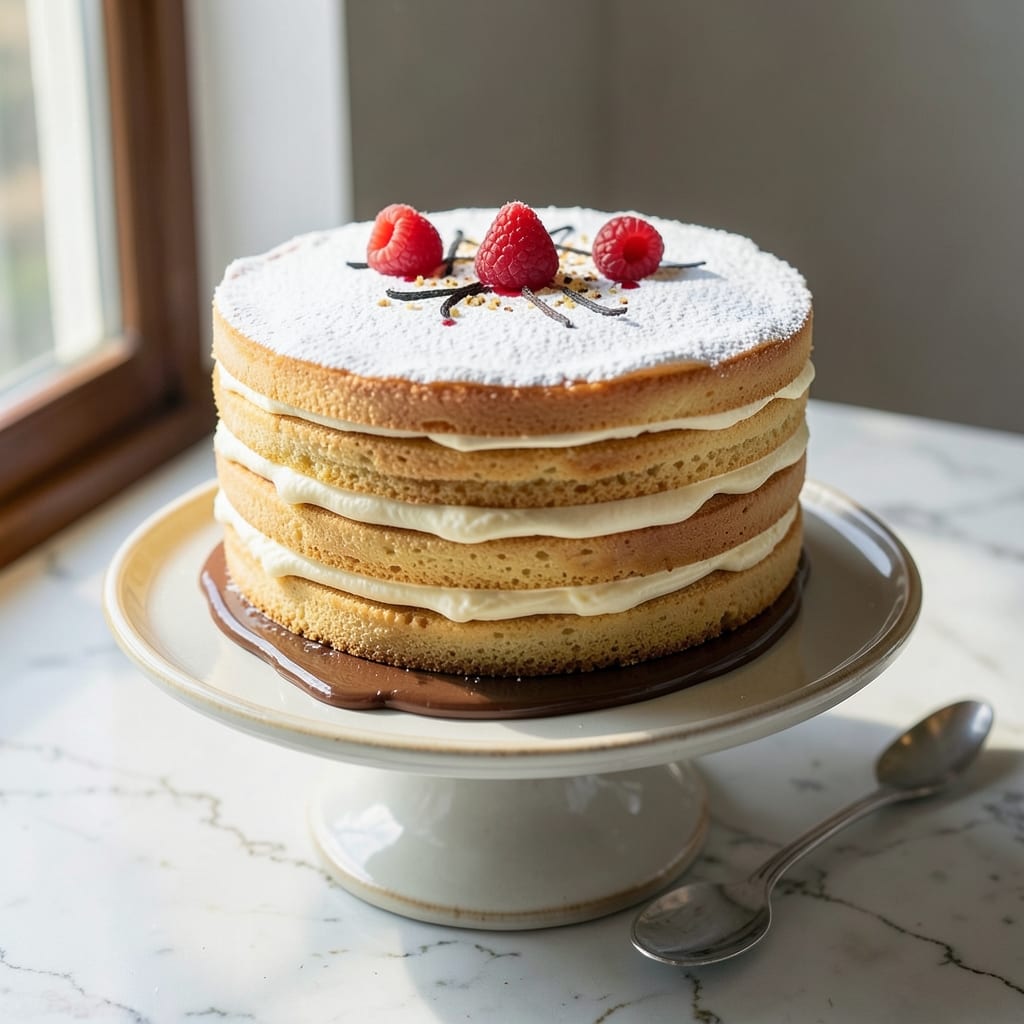
This 12-spoon cake recipe brings a taste of Eastern European tradition to your kitchen with just minutes of effort. 🌟 Born from Polish folklore where 12 spoonfuls symbolize good fortune, this no-mix mug dessert delivers rich, buttery layers in under 90 seconds—perfect for quick treats or special occasions. The magic lies in its simplicity: flour, sugar, eggs, and butter combine in precise proportions for a cake that's both nostalgic and foolproof.
The recipe's true charm comes from its cultural roots, where each spoonful carries meaning—representing months, holidays, or blessings. While modern versions often use a mug for convenience, traditional methods bake the cake in a small pan. What makes this version special is how it captures that authentic texture: tender yet slightly crisp edges, with a golden crust that's impossible to resist.
What you'll achieve is a warm, buttery cake with a melt-in-your-mouth crumb that pairs beautifully with tea or coffee. The recipe's genius is in its balance—sweet enough to satisfy cravings but not overwhelming, with a subtle vanilla note that elevates every bite. Whether you're making it for a celebration or a spontaneous dessert craving, the result is always impressive.
Serve it fresh from the mug or transfer to a plate for a more traditional presentation. The cake's rich flavor makes it ideal for holidays, but its quick preparation means you can enjoy it anytime. Here's how to create this timeless dessert with minimal effort and maximum tradition.
Ingredients for 12 spoon cake
Fourteen simple ingredients for a nostalgic dessert that feels like hug from tradition.
| Ingredient | Amount | Notes |
|---|---|---|
| All-Purpose Flour 🌾 | ¼ cup | Sifted for light texture |
| Granulated Sugar 🍚 | ¼ cup | White or light brown |
| Unsalted Butter 🧈 | ½ cup | Room temperature, cubed |
| Large Eggs 🥚 | 2 whole | Room temperature preferred |
| Vanilla Extract 🌸 | ½ tsp | Pure vanilla preferred |
| Salt 🧂 | ¼ tsp | Fine sea salt preferred |
| Baking Powder 🍞 | ¼ tsp | Aluminum-free preferred |
| Milk 🥛 | ¼ cup | Whole milk preferred |
| White Vinegar 🍶 | 1 tbsp | For tenderizing |
| Powdered Sugar 🍚 | 2 tbsp | For dusting (optional) |
| Ground Cinnamon 🌿 | ¼ tsp | For dusting (optional) |
The flour and sugar are your foundation—King Arthur flour or Gold Medal work best for that tender crumb. Butter is non-negotiable here; Land O'Lakes unsalted or Plugrá melt beautifully. I always grab butter from Whole Foods or the store's bakery section—it's fresher and less likely to be pre-salted. Eggs should be at room temperature for even baking, so take them out 15 minutes before mixing. The vanilla extract? Pure Madagascar from Trader Joe's adds that authentic depth, but any good-quality extract works. For the baking powder, check the expiration date—old powder loses its lift.
No vanilla extract? Vanilla bean paste works in a pinch, or even vanilla sugar at double the amount. Out of milk? Almond milk or oat milk will work, though the texture might be slightly denser. The white vinegar is key for tenderizing the batter—don't skip it! For a richer flavor, swap the powdered sugar dusting with a sprinkle of confectioners' sugar mixed with cinnamon. The cinnamon adds warmth that pairs perfectly with the buttery notes. If you're feeling adventurous, a pinch of nutmeg can elevate the spice profile too. Store-bought powdered sugar? Bob's Red Mill is my go-to for that smooth texture.
This cake is best served fresh from the mug—it loses its crisp edges if left sitting. For a traditional touch, transfer to a small plate and dust with powdered sugar and cinnamon immediately. Store leftovers in an airtight container for 2 days in the fridge, though honestly, it's best eaten within hours. The batter can be prepped ahead and stored in the fridge for up to 24 hours—just let it sit at room temperature for 10 minutes before baking. For a fun twist, serve with a dollop of whipped cream or a scoop of vanilla ice cream. The mug can be reused—just pop it in the dishwasher after each use.
Why You'll Love This Recipe
- No Fuss, No Mess: I swear by this recipe because it’s basically foolproof—just mix, spoon, and bake. No rolling, no fussing with shapes, and no waiting for dough to rest. The batter’s so simple (flour, sugar, butter, eggs, a splash of vanilla) that I’ve made it while chatting with friends on the phone.
- Buttery Vanilla Hug: That perfect balance of rich butter and vanilla? It’s like a warm, golden hug in cake form. The eggs give it a tender crumb, while the sugar caramelizes just enough to make every bite taste like a little piece of heaven. Honestly, it’s the kind of flavor that makes people ask, “What’s in this?”
- Breakfast or Dessert: Here’s what sold me—this works for any time of day. Serve it warm with jam for a lazy weekend breakfast, or dust with powdered sugar for an after-dinner treat. My kids even sneak bites straight from the pan when I’m making them. (Yes, even on a Tuesday night.)
- Pantry Staple Magic: Between us, this recipe is my secret weapon for using up random eggs and butter without waste. A batch keeps for days in an airtight container, and the portions are just right—no sad half-cakes left over. Plus, the ingredients cost pennies, so I can make it whenever the craving hits.
Step-by-step instructions for 12-Spoon cake
This no-mix mug dessert comes together faster than you can say "microwave."
🍳 Step 1: Mix Wet Ingredients in the Mug
Place the 0.25 cup milk and 1 tablespoon white vinegar in a microwave-safe mug. Stir well—the vinegar will curdle the milk into a buttermilk substitute. This trick makes the cake extra tender without needing extra ingredients. Add the 2 whole large eggs and 0.5 cup unsalted butter, then whisk until smooth.
Next, sprinkle in the 0.25 cup granulated sugar and stir again until fully dissolved. The mixture should look creamy and uniform. Here's the thing—room temperature butter blends better, so if yours is cold, let it sit for 10 minutes before mixing. This ensures a light, fluffy texture instead of dense, greasy cake.
👨🍳 Step 2: Add Dry Ingredients and Stir
In a small bowl, whisk together the 0.25 cup all-purpose flour, 0.25 teaspoon salt, 0.25 teaspoon baking powder, and 0.5 teaspoon vanilla extract. Sift the flour first for a lighter texture—this prevents lumps that can make your cake dense. Pour the dry mixture into the mug and stir vigorously for 20-30 seconds until just combined. You're aiming for a smooth batter with no visible streaks of flour.
Don't overmix! The moment you see a few tiny flour streaks remaining, stop stirring. Overmixing develops gluten, which can make your cake tough. The batter should be thick but pourable. If it looks too thick, add a splash of milk to loosen it slightly.
⏰ Step 3: Microwave for Perfect Texture
Microwave the mug on high power for 90 seconds. The cake should rise slightly and pull away from the edges of the mug. Here's the critical part: when you open the microwave, you'll see steam rising—that's your signal the cake is done. If it looks underdone, microwave for an additional 15-second intervals until fully set. Overcooking makes it dry, so watch closely.
Let the cake rest in the mug for 1 minute after microwaving. This resting time allows the steam to redistribute, preventing a gummy center. Poke the center with a toothpick—it should come out clean. If it's slightly sticky but not wet, that's perfect.
🍽️ Step 4: Top and Serve Immediately
Sprinkle the 2 tablespoons powdered sugar and 0.25 teaspoon ground cinnamon evenly over the warm cake. The powdered sugar adds a sweet dusting, while the cinnamon gives a warm, cozy flavor. For extra flair, add a dollop of whipped cream or a drizzle of caramel sauce. Serve while warm for the best texture—this cake is best enjoyed fresh out of the mug!
Here's a pro tip: if you're making multiple cakes, grease the mugs lightly with butter first. This prevents sticking and makes cleanup a breeze. Enjoy your quick, no-fuss dessert that tastes like it came from a bakery!
Pro Tips For Making 12 Spoon Cake
- Melt Butter Slowly: I learned this the hard way—dumping cold butter straight into the dry ingredients makes for a lumpy, uneven batter. Instead, melt the butter just until it turns liquid (about 10 seconds in the microwave, or over a double boiler), then let it cool to room temp before mixing. Warm butter blends smoother and yields a tender cake that doesn’t dry out mid-bake.
- Weigh Your Eggs: Cracking eggs into a bowl and eyeballing it? That’s how you end up with a dense, rubbery cake. For 12 spoon cakes, use exactly 6 large eggs (about 180g total, including shells). Weigh them in their shells for precision—no guessing, no overmixed batter.
- Skip the Overmixing: The moment the batter looks like pancake batter, you’ve gone too far. After folding in the flour, stop when just combined—a few streaks are fine. Overmixing develops gluten, and those spoon cakes will turn out tough instead of light. Mix until the flour disappears, then let it be.
- Grease Spoons Well: Dry, sticky spoon cakes? You didn’t grease enough. Use a pastry brush to coat each spoon inside and out with melted butter, then dust with flour. Tap out the excess so the cakes don’t stick—this isn’t the time to be lazy. (Yes, even if you’re impatient like me.)
Wine and beer pairings for this recipe
Sweet Dessert Wines
This buttery, vanilla-infused cake pairs beautifully with Moscato d'Asti—its light effervescence and honeyed notes complement the cake's richness without overpowering it. I always reach for a chilled bottle from Italy's Piedmont region, where the grapes are harvested early for that signature sweetness. The slight acidity also cuts through the butterfat, cleansing your palate between bites. 🍷
Spiced Coffee Liqueurs
For a cozy pairing, try Kahlúa or Tía María—both bring warm vanilla and spice that mirror the cake's cinnamon dusting. Mix 1 oz liqueur with 2 oz hot coffee and a splash of cream for a dessert drink that feels like a hug. The coffee's bitterness balances the cake's sweetness beautifully, while the vanilla ties back to the cake's signature flavor. 💛
Light Beers
A crisp Belgian witbier like Hoegaarden or Stella Artois works surprisingly well with this cake. The citrusy coriander notes in witbiers refresh your palate after each buttery bite, while the light carbonation cleanses without competing. For a richer option, try a German Hefeweizen—the banana and clove notes enhance the cake's vanilla and cinnamon. 🍺
Tea Pairings
No dessert is complete without tea! A Chai latte with warm spices mirrors the cake's cinnamon, while Earl Grey adds a floral bergamot note that contrasts beautifully. For a lighter option, jasmine green tea with honey brings delicate floral notes that complement the cake's buttery richness. Serve both hot for the ultimate cozy experience. ☕
Unexpected Pairings
Think outside the box with Port wine—its nutty, caramelized flavors create an unexpected but delightful contrast to the cake's vanilla sweetness. A small glass of Ruby Port after dessert enhances the cake's lingering warmth. For something unexpected, try sparkling cider like Martinelli's—the crisp acidity and subtle fruitiness make it a refreshing match. 🍇
Nutrition facts
Frequently asked questions about 12-Spoon cake
Why is it called a 12-spoon cake?
This dessert gets its name from traditional Polish folklore where 12 spoonfuls of dough represent the 12 apostles or months of the year. Each spoonful carries symbolic meaning—some versions use it for blessings during holidays or special occasions. While modern mug versions simplify the process, the symbolic tradition remains at its heart.
Can I make this cake without a microwave?
For an oven version, preheat to 350°F (175°C) and bake the batter in a greased 6-inch round pan for 20-25 minutes. The texture will be slightly denser than the microwave version but still delicious. Traditional methods often used small cast-iron pans for even baking.
What's the secret to getting it perfectly moist?
The buttermilk substitute (vinegar + milk) and proper resting time are key! Let the batter sit for 5 minutes after mixing, then microwave for exactly 90 seconds—no more! Overcooking dries it out. For extra moisture, add 1 tablespoon sour cream to the batter before microwaving.
How do I make it gluten-free?
Replace the all-purpose flour with a 1:1 gluten-free baking flour blend like Bob's Red Mill. Use 0.25 cup + 1 tsp xanthan gum for best results. The texture will be slightly denser, but still delicious. Test your blend first—some require extra moisture, so you might need to add 1 extra tablespoon milk to the batter.
Can I make this ahead of time?
For best results, make it fresh—but you can prep the batter up to 24 hours ahead. Store in an airtight container in the fridge, then let it sit at room temperature for 10 minutes before microwaving. The cake won't have the same crisp edges, but the flavor remains excellent. For a traditional approach, bake it in a small pan and store wrapped at room temperature for 1 day.