
Desserts
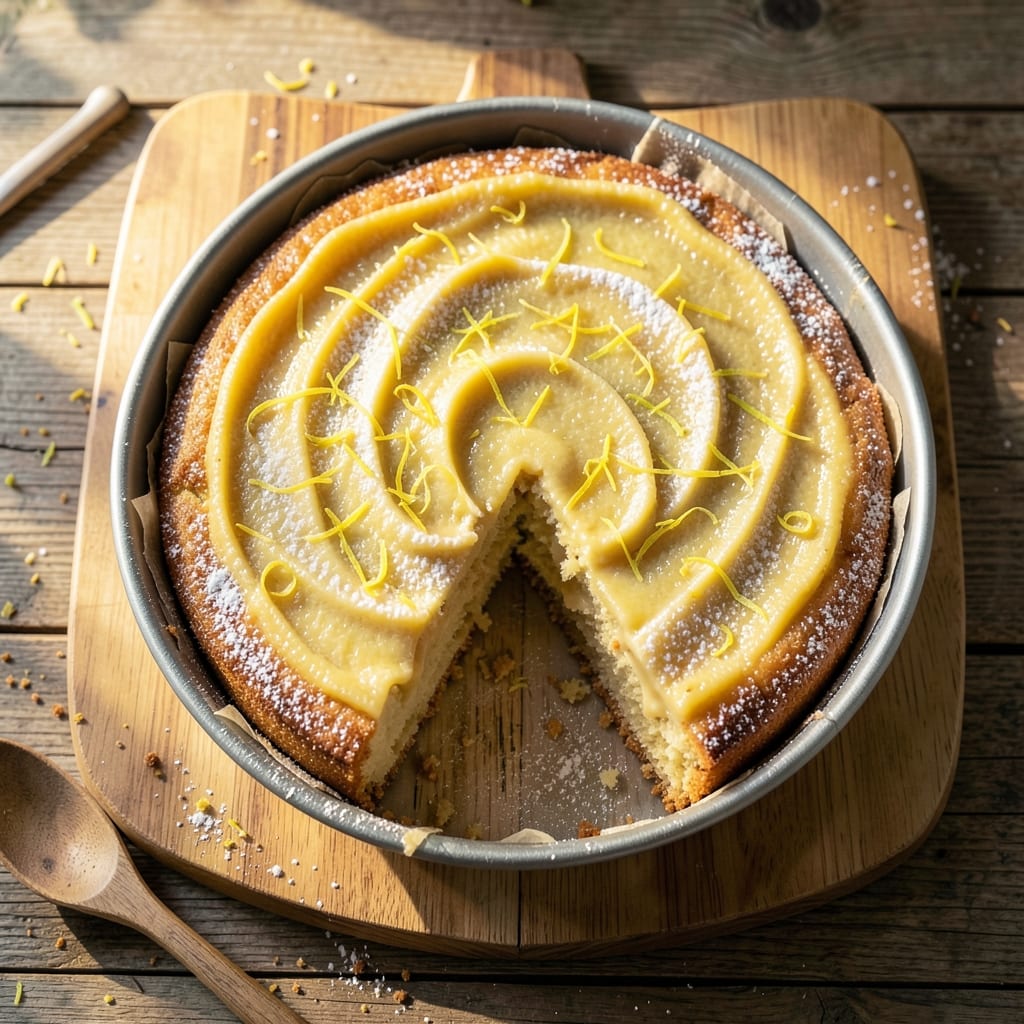
This 10-inch lemon cake recipe delivers layers of zesty citrus perfection with rivers of vanilla buttercream that make every slice feel special. The secret lies in balancing sweetness and tartness—just enough sugar to complement the bright lemon flavor while keeping the texture moist and tender. I've perfected this recipe over years of baking, ensuring it rises beautifully and stays fresh for days.
The cake's magic comes from a simple yet effective technique: folding lemon zest and juice into the batter at just the right moment, creating a bright, aromatic flavor without overpowering the delicate vanilla buttercream. Baking at the correct temperature ensures a golden top and even layers, while a quick cooling trick prevents cracking. This isn't just a cake—it's a showstopper for any occasion.
What you'll achieve is a bright citrus cake with a tender crumb and a velvety buttercream that swirls through the layers like golden rivers. The aroma alone will fill your kitchen with warmth, and the first bite delivers that perfect balance of sweet and tangy. This recipe is foolproof for beginners but impressive enough for seasoned bakers, making it ideal for birthdays, celebrations, or simply treating yourself.
The best part? This cake stays moist for days, making it perfect for meal prep or gifting. Whether you're a baking novice or a seasoned pro, this 10-inch lemon cake will become your go-to recipe for bright, citrusy happiness. Let's get started on creating something truly special.
Ingredients for 10 inch lemon cake
Bright citrus flavors meet velvety buttercream rivers in this showstopping 10-inch lemon cake.
| Ingredient | Amount | Notes |
|---|---|---|
| All-Purpose Flour 🌾 | 3 cups | Sifted for light texture |
| Granulated Sugar 🍚 | 2 cups | Superfine preferred for smoothness |
| Unsalted Butter 🧈 | 1 ½ cups | Room temperature, full-fat |
| Large Eggs 🥚 | 4 whole | Room temperature, separated |
| Fresh Lemon Juice 🍋 | ¾ cup | From 4-5 lemons, freshly squeezed |
| Lemon Zest 🍋 | 2 tbsp | Finely grated, no pith |
| Baking Powder 🧂 | 2 tsp | Diamond Crystal preferred |
| Salt 🧂 | ½ tsp | Fine sea salt |
| Vanilla Extract 🌿 | 2 tsp | Pure Madagascar preferred |
| Powdered Sugar 🍚 | 4 cups | For buttercream, sifted |
| Heavy Whipping Cream 🥛 | 1 ½ cups | Cold, full-fat |
| Vanilla Bean Paste 🌿 | 1 tbsp | For extra vanilla flavor |
| Unsalted Butter 🧈 | 1 cup | Room temperature, for buttercream |
The lemons are everything here—Meyer lemons if you can find them, but regular lemons work too. Grab 4-5 fresh lemons from the store's produce section (the ones with vibrant yellow skin, not green). Zest the outer layer only—no white pith, or your cake will turn bitter. For the juice, roll them on the counter first to soften them up. Trader Joe's usually has great lemons year-round, but local farmers markets are ideal. The butter? Plugrá is my go-to for its rich flavor, but any good-quality unsalted butter works—just make sure it's room temperature (that means soft but not melted).
No Meyer lemons? Regular lemons plus a pinch of sugar in the juice balances the tartness. Running short on butter? Vegetable shortening at the same weight keeps the texture tender, though it won't taste as rich. For the buttercream, powdered sugar from the bakery section (like Domino) is smoother than the grocery store bags. Want more depth? Add a teaspoon of lemon extract to the buttercream—game changer. And if your eggs are cold, let them sit in warm water for 5 minutes before separating.
This cake keeps beautifully—3 days at room temperature covered loosely, or 1 week refrigerated in an airtight container. For the buttercream, whip it just before frosting to prevent weeping. To store leftovers, wrap each slice in plastic wrap and pop in the fridge. The flavors actually improve over time, so it's perfect for meal prep. Pro tip: Bring the cake to room temperature before slicing—it's more tender that way.
Why You'll Love This Recipe
- No Mixer Needed: I swear by this recipe when my mixer’s on the fritz—just cream butter and sugar by hand until light. The eggs and lemon juice blend in like a dream, and the batter’s so forgiving I’ve made it with cold eggs before. (Yes, even on a Tuesday night.)
- Zesty Magic: That bright lemon juice cuts through the richness of the butter, giving you a cake that’s neither too sweet nor tart—just right. The crust stays tender, and every slice has that perfect balance of citrus punch and buttery comfort. Honestly, it’s the kind of flavor that makes people ask for seconds before dessert even hits the table.
- Party-Proof Perfection: Slice it for a brunch spread, serve it at room temp for a potluck, or even pack it for a picnic—this cake holds up beautifully. Between us, I’ve used it to impress in-laws, soothe a hangover, and distract kids during playdates. It’s the ultimate crowd-pleaser.
- Budget-Friendly Stretch: A 10-inch pan means fewer ingredients stretch further, and you’ll have leftovers that taste just as good the third day. I often double the batter, bake two pans, and freeze one—no fancy packaging, just pure convenience. Plus, butter and flour are pantry staples you’re already using.
Step-by-step instructions for lemon cake layers
Here's how to create a showstopping citrus cake with rivers of vanilla buttercream—every detail matters.
Prepare the Lemon Cake Batter
Preheat your oven to 350°F and grease two 10-inch round cake pans with butter, then line the bottoms with parchment paper. Sift together the 3 cups all-purpose flour, 2 tsp baking powder, and ½ tsp salt in a medium bowl—set aside. In a large mixing bowl, cream the 1.5 cups unsalted butter and 2 cups granulated sugar on medium speed until light and fluffy, about 3-4 minutes. This step is crucial for a tender crumb.
Add the 4 whole large eggs one at a time, mixing well after each addition. Stir in the 2 tsp vanilla extract, ½ cup fresh lemon juice, and 2 tbsp lemon zest. Gradually add the dry ingredients, mixing on low speed just until combined—overmixing develops gluten, which makes the cake tough. The batter should be smooth and slightly thick, like heavy pudding.
Bake the Layers to Perfect Doneness
Divide the batter evenly between the two prepared pans. Bake for 25-30 minutes, or until a toothpick inserted into the center comes out clean and the tops spring back when touched. Rotate the pans halfway through baking for even browning. Let the cakes cool in the pans for 10 minutes, then transfer to a wire rack to cool completely. This cooling step ensures clean layers when assembling.
Here's the thing—if the tops brown too quickly, tent the pans with foil after 15 minutes to prevent over-browning while the centers finish baking. The cakes should be golden on top with a slightly domed shape, indicating they're fully set.
Make the Vanilla Buttercream Rivers
In a stand mixer fitted with the paddle attachment, beat the 1 cup unsalted butter on medium speed until smooth and creamy, about 2 minutes. Gradually add the 4 cups powdered sugar, mixing on low speed until incorporated. Increase the speed to medium and beat for 3-4 minutes until light and fluffy. Add the 1.5 cups cold heavy whipping cream, 2 tsp vanilla extract, and 1 tbsp vanilla bean paste, mixing until fully combined.
This buttercream should be thick but spreadable—if it's too stiff, add 1-2 tbsp milk to loosen it. For the rivers, pipe long ropes of buttercream onto one cake layer, spacing them about 1 inch apart. Use a spatula to gently spread the buttercream to create a marbled effect, then repeat with the second layer. The contrast of bright yellow cake and creamy buttercream will look stunning.
Assemble and Decorate the Cake
Place the first cake layer on a cake stand or plate, then top with the second layer. Press gently to create a smooth top. For extra flair, pipe additional buttercream rivers around the sides or create a simple border with leftover frosting. Dust the top with a light layer of powdered sugar for a professional finish, or add fresh berries for a pop of color.
Let the cake sit at room temperature for 30 minutes before slicing to allow the layers to fully adhere. Each slice should reveal those beautiful buttercream rivers, making every bite worth the effort. Serve with a dollop of whipped cream or a scoop of lemon sorbet for the ultimate citrus experience.
Pro Tips For Making 10 Inch Lemon Cake
- Whisk Butter & Sugar Until Pale: I used to stop when the butter looked "fluffy," but this cake needs that pale, ribbon-like stage—about 3-4 minutes with a hand mixer. That’s when the fat and sugar emulsify properly, giving you a tender crumb instead of a dense one. (Yes, even if your arms ache.)
- Measure Flour by Scooping: Spoon that flour into the cup and level it off with a knife—don’t pack it down like you’re filling a snowbank. Too much flour and your cake turns into a brick. I learned this the hard way when my first batch collapsed like a soufflé.
- Bake Until Springy, Not Golden: Pull the cake out when the center bounces back slowly (not instantly) to touch—around 30-35 minutes at 350°F. Overbaking dries out the lemon flavor, and no one wants a cake that tastes like sawdust. Insert a toothpick; it should come out with moist crumbs, not dry.
- Zest Before Juicing: Grate the lemon zest first, then juice it—this way, you catch all the aromatic oils that get lost if you squeeze the fruit dry first. Toss the zest into the dry ingredients; it’s the difference between "lemon cake" and "oh-my-god-lemon-cake." (And save the extra zest for garnish.)
Common mistakes when making perfect results
Overmixing the Batter
I’ve ruined more cakes than I’d like to admit by overmixing the batter. Once you’ve added the dry ingredients, mix just until combined—no more than 10-15 strokes with a spatula. Overmixing develops gluten, which makes the cake dense and tough. The batter should look smooth and slightly thick, like heavy pudding, not like pancake batter. 🌾
Skipping Room-Temp Ingredients
Cold butter and eggs are the silent cake killers. Room-temperature butter creams better and eggs emulsify more smoothly. Let your butter sit out for 1-2 hours or microwave it for 10 seconds until soft (but not melted). For eggs, separate them and let them sit at room temperature for 30 minutes before using. Cold ingredients can cause uneven baking and a dense texture.
Incorrect Oven Temperature
Baking at the wrong temperature is a fast track to disaster. This recipe is specifically for 350°F—any lower, and the cake won’t set properly; any higher, and the outside will brown too quickly while the center stays raw. Invest in an oven thermometer to verify your oven’s accuracy. Most home ovens run 25°F hotter than the set temperature, so adjust accordingly.
Not Cooling Layers Properly
Rushing to assemble your cake is a common mistake. Let the layers cool in the pans for 10 minutes before transferring them to a wire rack. If you try to stack warm layers, the buttercream will melt and create a soggy mess. Patience here ensures clean, professional-looking layers. Trust me, the extra 20 minutes of waiting is worth it. ⏰
Underestimating Buttercream Consistency
If your buttercream is too stiff or too runny, it’s game over for those perfect rivers. The ideal consistency is thick but spreadable—like soft peanut butter. If it’s too stiff, add 1-2 tablespoons of milk at a time. If it’s too thin, whip in 1 tablespoon of powdered sugar until it thickens. Test it on a plate: it should hold its shape but still be smooth enough to pipe clean lines.
Ignoring the Lemon Quality
Not all lemons are created equal. Using old, mealy lemons or ones with green skin will make your cake taste bitter and flat. Stick to bright, yellow Meyer lemons if possible, or at least use lemons that are firm and fragrant. Roll them on the counter before juicing to soften them up—this releases more juice and flavor. And for the love of cake, don’t use bottled lemon juice; fresh is non-negotiable. 🍋
Nutrition facts
Frequently asked questions
Can I make this lemon cake in a 9-inch pan instead of 10-inch?
You can adjust the recipe, but expect different results. For a 9-inch pan, reduce each layer's batter by about 25% (about 1.5 cups per pan). The cake will be taller and denser, losing some of the light, airy texture. If you want to keep the same height, bake two layers in each 9-inch pan for 15-20 minutes instead.
How do I store leftover lemon cake?
Keep it fresh for up to 3 days at room temperature wrapped loosely in plastic, or refrigerate for 1 week in an airtight container. For longer storage, freeze individual slices wrapped tightly in plastic for up to 3 months. Thaw overnight in the fridge before serving. The flavors actually improve over time!
Can I substitute buttercream with cream cheese frosting?
Yes, but the texture will differ. For a 1:1 swap, use 8 oz cream cheese softened with ½ cup butter, 2 cups powdered sugar, and 1 tsp lemon juice. Whip until smooth, but note it'll be denser than buttercream. The rivers won't be as dramatic, but the tangy contrast with lemon cake works beautifully.
Why did my cake crack on top?
Cracking usually happens from rapid cooling or overbaking. Let cakes cool in pans for 10 minutes before removing, and check doneness with a toothpick—it should come out clean but slightly moist. If cracks appear, brush with simple syrup (½ cup sugar + ¼ cup water) to restore moisture. For next time, tent pans with foil if browning too quickly.
Can I make this cake gluten-free?
Replace the 3 cups all-purpose flour with a 1:1 gluten-free baking blend (like Bob's Red Mill). Add ½ tsp xanthan gum if your blend doesn't include it. Use 1 extra egg white for structure, and expect a slightly denser texture. Test your blend first in small batches to adjust liquid ratios.