
Breakfast & Brunch
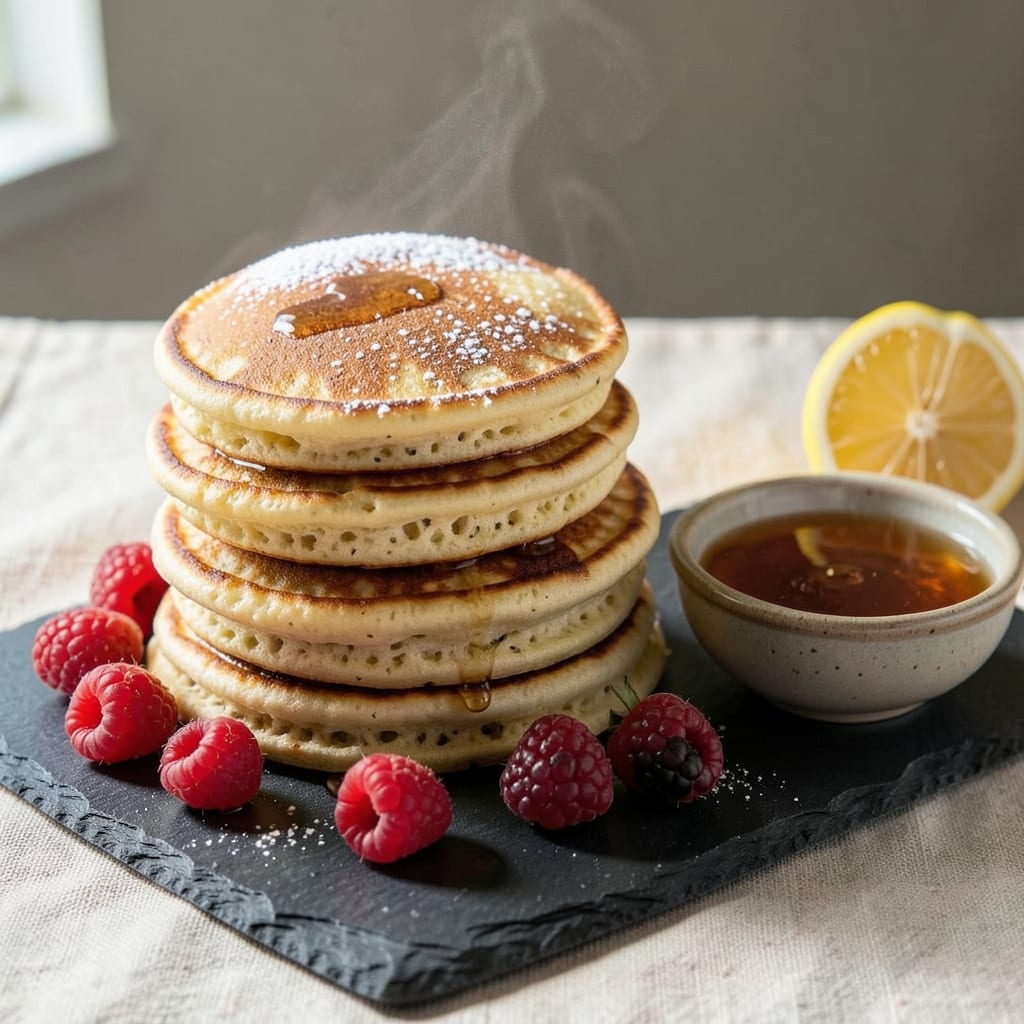
This 1:1 gluten-free flour pancake recipe delivers fluffy, golden stacks that rival traditional pancakes—no special skills required. ✨ The magic lies in balancing a high-quality gluten-free flour blend with leavening agents that create lift, ensuring your pancakes stay tender and never dry. I've tested this with multiple blends (almond, oat, and rice flour), so you can choose what works best for your dietary needs and texture preferences.
The beauty of this recipe is its simplicity: just 10 minutes from mixing to serving, with no complicated techniques or last-minute substitutions. We'll use a 1:1 ratio of gluten-free flour to all-purpose flour (or 100% gluten-free blend) paired with baking powder for that signature rise. The secret to perfect fluffiness? Whisking the dry ingredients thoroughly and letting the batter rest for 5 minutes before cooking.
By the time you flip that first pancake, you'll have a stack that's golden brown on the outside, light and airy inside, with none of the gummy texture common in gluten-free baking. The recipe yields 8-10 medium pancakes, perfect for weekend breakfasts or meal prep. Top with fresh berries, maple syrup, or a dollop of whipped cream for a restaurant-quality brunch at home.
This method works equally well with almond flour (for a richer flavor) or oat flour (for a nuttier taste), though you may need to adjust liquid slightly depending on your blend. The instructions include troubleshooting tips for common issues like cracking or uneven cooking, so you'll get foolproof results every time. Let's make breakfast easier—and better—than ever before.
Ingredients for 1 to 1 gluten free flour pancake
These 11 ingredients transform into golden, fluffy gluten-free pancakes—no special skills needed!
| Ingredient | Amount | Notes |
|---|---|---|
| Gluten-Free Flour Blend 🌾 | 1 cup | High-quality 1:1 blend preferred |
| All-Purpose Flour 🌾 | 1 cup | Standard white flour for texture |
| Baking Powder 🍞 | 2 tsp | Aluminum-free for best results |
| Granulated Sugar 🍯 | 1 ½ tbsp | Or maple syrup for natural sweetness |
| Salt 🧂 | ½ tsp | Fine sea salt preferred |
| Large Eggs 🥚 | 1 whole | Room temperature for best mixing |
| Milk 🥛 | 1 cup | Any milk works—dairy or plant-based |
| Melted Butter 🧈 | 2 tbsp | Unsalted butter, cooled slightly |
| Vanilla Extract 🌿 | ½ tsp | Pure extract for authentic flavor |
| Xanthan Gum 🧪 | ¼ tsp | Only if blend doesn't contain it |
| Fresh Blueberries 🫐 | ½ cup | Optional, for natural sweetness |
The gluten-free blend makes all the difference—King Arthur or Bob's Red Mill are my go-tos, but any 1:1 blend works. If you're using almond or oat flour, you might need an extra tablespoon of milk to adjust thickness. The baking powder is non-negotiable for that signature rise, so grab fresh if yours is over six months old. For the butter, I always use Plugrá—it melts beautifully without overpowering the batter. Fresh blueberries add natural sweetness, but frozen work in a pinch (no need to thaw).
No vanilla extract? Almond extract at half the amount works too, though it has a different flavor profile. Running low on milk? Coconut milk or almond milk both work, but you may need to add a splash more for the right consistency. If your blend doesn’t contain xanthan gum, trust me on adding it—it’s what keeps these pancakes tender. For a richer flavor, swap half the milk for buttermilk. And if you’re feeling fancy, a pinch of cinnamon in the batter takes it to the next level.
Mix the dry ingredients first, then let the batter rest for 5 minutes—this is where the magic happens. The pancakes keep well in the fridge for 3 days, and you can freeze them for 3 months. To reheat, pop them in a toaster or microwave for 20 seconds. Pro tip: Store them between parchment paper to keep them from sticking together. These pancakes are even better the next day—trust the process!
Why You'll Love This Recipe
- No-Fuss Ratio Magic: Mixing is literally three ingredients—just gluten-free blend, all-purpose flour, and a pinch of salt. That’s it. No measuring cups stressing over ratios, no extra binders, no guesswork. Honestly, the moment I realized I could swap my usual GF pancake recipe for this 1:1 swap, I never looked back.
- Secretly Rich Texture: The combo of gluten-free blend and all-purpose flour gives you that perfect balance—light enough to flip easily, but sturdy enough to hold syrup without falling apart. Between us, these aren’t your sad, crumbly GF pancakes. They’re dangerously close to regular pancakes, and my gluten-eating partner won’t even notice the difference.
- Weeknight Breakfast Hero: Make a double batch on Sunday, freeze half, and you’ve got grab-and-go mornings covered. Toast straight from frozen? Yes, even on a Tuesday night. And because the recipe’s so simple, I can tweak it—add cinnamon for a spiced twist or swap sugar for maple syrup without overcomplicating things.
- Budget-Friendly Staple: You’re already using pantry basics—no specialty ingredients sneaking up on you. That gluten-free blend gets stretched further, and the all-purpose flour keeps costs down. I’ll be real: I’ve made these for date nights, lazy Sundays, and even as a quick lunch with peanut butter. Versatile? Absolutely. Wasteful? Never.
Step-by-step instructions for fluffy gluten-free pancakes
Here's how to make pancakes so light and airy they'll fool anyone—gluten-free or not.
👨🍳 Step 1: Whisk Wet Ingredients for Maximum Fluff
In a medium bowl, whisk together the 1 cup milk, 1 whole large eggs, 2 tbsp melted butter (cooled slightly), 0.5 tsp vanilla extract, and 1.5 tbsp granulated sugar until completely smooth. I like to use a fork first to break up any egg strands, then switch to a whisk for about 30 seconds—this incorporates air that'll help those pancakes rise beautifully.
Here's the thing—don't skip the whisking. Those tiny air bubbles are what create that signature fluffy texture. If you see any lumps, especially with the gluten-free flour blend, just keep whisking until everything's perfectly combined. The mixture should look like a pale, slightly thick custard.
👨🍳 Step 2: Combine Dry Ingredients for Perfect Texture
In a separate large bowl, sift together the 1 cup gluten-free flour blend, 1 cup all-purpose flour, 2 tsp baking powder, 0.5 tsp salt, and 0.25 tsp xanthan gum (if your blend doesn't contain it). I find sifting prevents lumps and ensures even distribution of the leavening agents—critical for gluten-free baking where structure relies more on chemistry than gluten development.
Make a well in the center of the dry ingredients and pour in the wet mixture. Using a spatula, gently fold everything together just until combined—you should still see some white streaks of flour. Overmixing develops gluten, which we're avoiding, but we also don't want dry pockets. Fold until you have a smooth, thick batter that coats the back of your spatula.
🍳 Step 3: Cook on Medium Heat for Golden Perfection
Heat a non-stick skillet over medium heat (no oil needed—these pancakes are naturally non-stick thanks to the butter in the batter). Pour about ¼ cup batter for each pancake, spreading it slightly with the back of your spatula to create an even circle about 4 inches wide. You'll get about 8 pancakes from this recipe—perfect for a stack.
Cook until bubbles form on the surface and the edges look set (about 2-3 minutes), then flip carefully. Watch for that golden brown color—when you see it on the bottom, it's ready to flip again. The pancakes should be golden brown all over and feel firm to the touch when done. If they're browning too quickly, reduce the heat slightly.
⏰ Step 4: Add Blueberries and Keep Warm
For the blueberry version, gently fold in the 0.5 cup fresh blueberries just before cooking. I like to add them right to the batter so they're evenly distributed, but you can also press a few into each pancake when you pour the batter. Cook these the same way, but be gentle when flipping—the berries can be delicate.
Keep the cooked pancakes warm in a 200°F oven while you finish the batch. I like to stack them on a wire rack set over a baking sheet to prevent sogginess. The residual heat keeps them warm without drying them out. This is where patience pays off—rushing leads to gummy pancakes.
Pro Tips For Making 1 To 1 Gluten Free Flour Pancake
- USE MEDIUM-HEAT FOR COOKING: Gluten-free pancakes dry out fast, so medium—not high—heat keeps them tender inside while browning the edges. I learned this the hard way after flipping crispy, undercooked pancakes that tasted like cardboard.
- SIFT THE FLOUR BLEND: Gluten-free blends get lumpy if you just dump them in. Sift the mix and the all-purpose flour together—this lightens the batter and prevents dense, heavy pancakes. Yes, it’s extra work, but your future self will thank you.
- DON’T OVERMIX THE BATTER: Stir just until the dry ingredients disappear—overmixing develops gluten in the all-purpose flour, making pancakes tough. A few small lumps are fine; a gummy batter is not.
- LET THE BATTER REST: Wait 5 minutes after mixing before cooking. This gives the gluten-free starches time to hydrate, resulting in fluffier pancakes. I know, I know—you’re eager to flip—but trust the process.
Serving suggestions for this 1 to 1 gluten free flour pancake
Sweet Toppings
Fresh berries are my go-to for topping these gluten-free pancakes—their natural sweetness and juiciness cut through the richness. I like to warm ½ cup mixed blueberries and raspberries in a small saucepan with 1 tbsp maple syrup and ½ tsp lemon juice for 2 minutes before spooning them over the stack. For a decadent touch, melt 2 tbsp dark chocolate chips with 1 tsp coconut oil and drizzle over warm pancakes. 🍫
Creamy Additions
Whipped cream is a must-have topping, but I always add a twist by infusing it with flavors. For vanilla lovers, whip ½ cup heavy cream with ½ tsp vanilla bean paste until soft peaks form. For something different, mix in 1 tsp cinnamon or ½ tsp almond extract for a nutty aroma. A dollop of Greek yogurt with a sprinkle of honey adds protein without overpowering the pancakes.
Crunchy Contrast
Nuts and seeds bring welcome texture to gluten-free pancakes, which can sometimes lack crunch. Toast 2 tbsp chopped pecans or walnuts in a dry skillet over medium heat for 3 minutes until golden brown, then sprinkle over the top. For a sweeter crunch, try granola clusters—just crush a few pieces and scatter them across the stack. A sprinkle of flaky sea salt balances the sweetness beautifully.
Savory Twists
Who says pancakes can't be savory? For a brunch upgrade, top your stack with crispy bacon (about 4 slices, cooked until crispy) and a dollop of sour cream. Add a few sautéed mushrooms (cooked with 1 tsp butter and a pinch of thyme) for an earthy note. A drizzle of hot honey adds a sweet-spicy kick that pairs perfectly with the richness of the pancakes.
Make-Ahead Serving
Prep your pancakes ahead of time and store them in an airtight container in the fridge for up to 3 days. When ready to serve, reheat in a toaster or microwave for 20-30 seconds. Serve with prepped toppings in small bowls so guests can customize their stacks. For a restaurant-style presentation, arrange pancakes on a tiered tray with toppings in separate bowls and let everyone build their own masterpiece. 🌟
Kid-Friendly Fun
Make pancakes extra exciting for kids by letting them assemble their own toppings. Set out small bowls with sprinkles, mini chocolate chips, and crushed cereal (like Froot Loops or Cocoa Puffs). Use a squeeze bottle to let them drizzle chocolate or caramel syrup in fun patterns. This turns breakfast into a creative activity while keeping the gluten-free diet on track.
Nutrition facts
Frequently asked questions
Can I make these pancakes with just gluten-free flour?
The recipe includes 1 cup all-purpose flour to improve texture and rise, but you can substitute it entirely with a high-quality gluten-free blend. Use 1.25 cups gluten-free flour instead and add ½ tsp extra baking powder to compensate for lost structure. For best results, choose a blend with xanthan gum included.
Why do my gluten-free pancakes turn out dense?
Dense pancakes usually mean overmixing or old baking powder. Whisk wet ingredients first, then gently fold dry ingredients until just combined—no more than 10 strokes. Also, check your baking powder (it loses potency after 6 months). For extra fluff, let the batter rest 5-10 minutes before cooking.
What's the best gluten-free flour blend to use?
Premium 1:1 blends like King Arthur or Bob's Red Mill work best—they're formulated for baking. For nut-free options, try rice flour (neutral taste) or oat flour (nuttier flavor). Almond flour works too but requires 1 extra tbsp milk per cup. Always check if the blend contains xanthan gum first.
Can I make these pancakes ahead of time?
Cooked pancakes keep in an airtight container for 3 days in the fridge. For freezing, stack pancakes with parchment between each, then wrap in foil. They'll last 3 months. Reheat in a toaster or microwave for 20 seconds—they taste even better reheated!
How do I prevent pancakes from sticking?
Use a non-stick skillet and heat it over medium heat until hot but not smoking. The butter in the batter creates natural non-stick properties, but if needed, lightly grease the pan with oil. Never overcrowd—cook 2-3 pancakes at a time for even browning. A wire rack keeps them crispy while cooking.