
Desserts
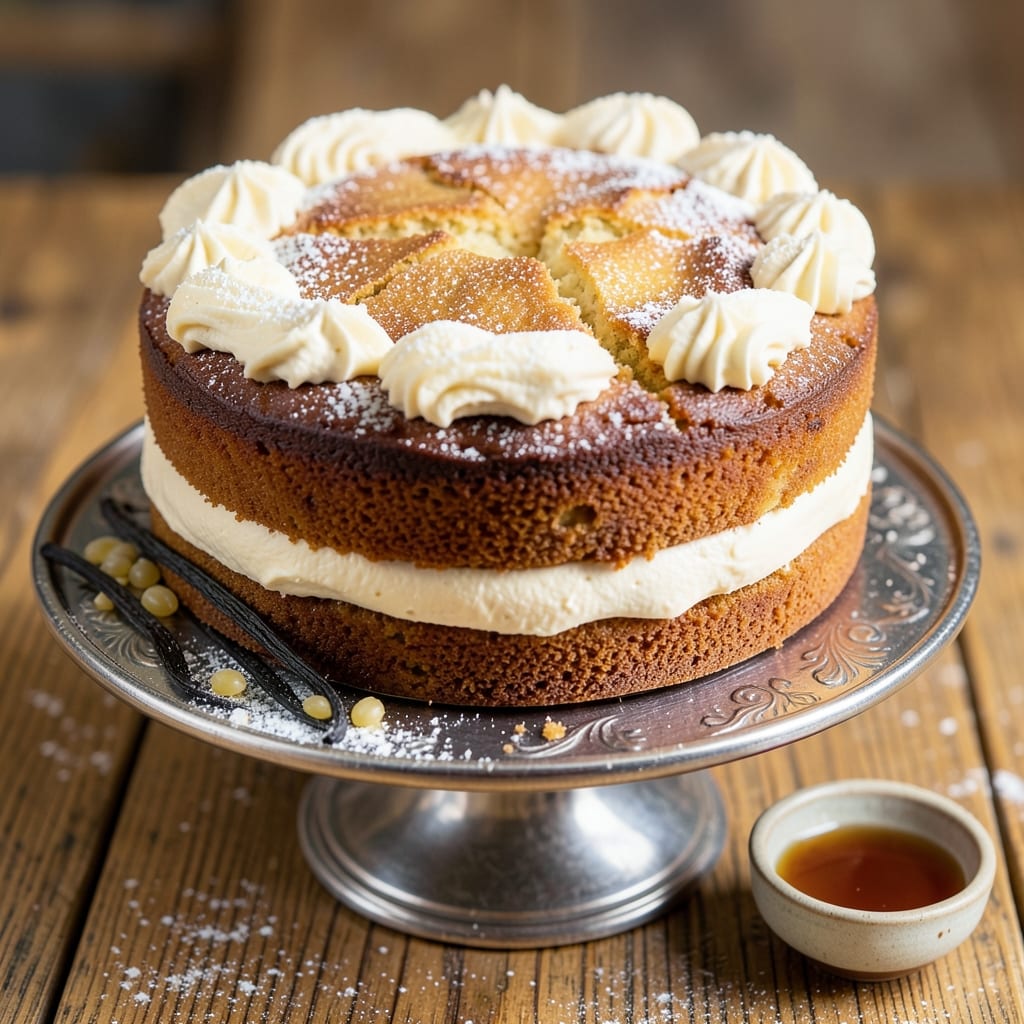
This 1 lb butter pound cake delivers the perfect balance of rich, velvety texture and tender crumb—all baked in a single tin for effortless serving. 💛 The secret lies in creaming butter and sugar to a light, fluffy consistency before gradually incorporating eggs and vanilla bean paste, ensuring every slice stays moist for days. This classic recipe has been refined to eliminate dryness while maintaining that signature buttery flavor you crave.
The foundation of this pound cake starts with high-quality ingredients: unsalted butter, granulated sugar, and cake flour for a tender crumb. By using a vanilla bean instead of extract, you infuse deeper flavor that pairs beautifully with the buttery richness. The recipe also includes a touch of almond extract for subtle complexity, making it more sophisticated than traditional versions.
What sets this recipe apart is its ultra-moist texture, achieved through precise techniques like folding dry ingredients gently and avoiding overmixing. The cake bakes in a single 9-inch tin, making it perfect for special occasions or everyday indulgence without the fuss of multiple layers. Once baked, it develops a golden crust while staying tender inside—ideal for slicing into perfect squares.
Serve it warm with fresh berries, a dusting of powdered sugar, or as-is to let the buttery vanilla flavors shine. For variations, consider swapping vanilla for chocolate or citrus zest to customize the flavor. Let’s get baking—this cake is a timeless classic for a reason.
Ingredients for 1 lb butter pound cake
Buttery richness meets vanilla elegance in this ultra-moist pound cake—where every slice delivers perfect texture in one simple tin.
| Ingredient | Amount | Notes |
|---|---|---|
| Unsalted Butter 🧈 | 1 lb | Cold, cut into cubes for creaming |
| Granulated Sugar 🍚 | 1 ½ cups | Superfine preferred for smooth texture |
| Large Eggs 🥚 | 4 whole | Room temperature for even mixing |
| Vanilla Bean 🌿 | 1 whole | Scraped seeds plus paste for depth |
| Almond Extract 🌰 | ½ tsp | Pure, high-quality for subtle flavor |
| All-Purpose Flour 🌾 | 1 ½ cups | Sifted for lightness (or cake flour) |
| Baking Powder 🧂 | 2 tsp | Fresh for proper rise |
| Salt 🧂 | ¼ tsp | Fine sea salt for balance |
| Milk 🥛 | ½ cup | Room temperature for smooth batter |
| Powdered Sugar 🍚 | 2 tbsp | For dusting finished cake |
| Fresh Berries 🍓 | 1 cup | Optional for serving (strawberries/raspberries) |
The butter is non-negotiable here—Plugrá or Land O’Lakes unsalted are my go-tos, but grab the highest-fat percentage your store carries. Cold cubes cream best with sugar, creating that signature fluffy base. For the vanilla, Madagascar beans from specialty shops add depth, but a quality Taster’s Choice bean from the grocery store works too. The almond extract? Goya or McCormick are reliable brands—just avoid the cheap stuff, which can taste soapy. Pro tip: Toast your almond extract for 10 seconds in the microwave to deepen its flavor (trust me on this).
No vanilla bean? Pure vanilla extract at double the amount works in a pinch, but you’ll miss that floral complexity. Swap almond extract for orange zest (1 tsp)—it’s a game-changer for a citrus twist. Running low on milk? Heavy cream or buttermilk both work, but adjust baking time slightly. For the flour, King Arthur cake flour gives the tenderest crumb, but all-purpose in a pinch still delivers. And that powdered sugar? Confectioners’ sugar from Domino dissolves smoothly—no clumping here.
This cake keeps beautifully—3 days wrapped at room temp or 1 week refrigerated. For longer storage, slice and freeze portions between parchment paper for 3 months. Reheat slices at 300°F for 5 minutes to restore that warm, buttery magic. The berries? Add them fresh just before serving—they’ll turn the cake into a showstopper without sogging it. Leftovers? Toss them in a French toast casserole the next morning—absolute perfection.
Why You'll Love This Recipe
- No Mixer Needed: I swear by this trick—creaming the butter and sugar by hand (yes, even with my small arms) gives that signature tender crumb. No electric mixer? No problem. Just elbow grease and patience—it’s oddly satisfying.
- Vanilla-Almond Magic: That split vanilla bean scraped right into the batter? Pure flavor gold. The almond extract adds this subtle, sophisticated nuttiness that makes it taste like a bakery’s secret. Honestly, the first bite had me questioning why I ever bought boxed cake.
- Weekend or Weeknight: Slice it warm with tea for a lazy Sunday, or pack it for lunch—it holds up beautifully. Between us, I’ve even served it at dinner parties (shh, don’t tell anyone it’s just pound cake). The richness feels fancy, but the effort is minimal.
- Budget Luxury: A pound of butter and a few eggs make this feel indulgent without breaking the bank. Leftovers? They’re my go-to for breakfast toast or dessert. I’ll be real: this cake is my “I deserve this” moment, but it won’t ruin my grocery budget.
Step-by-step instructions for ultra-moist vanilla bean pound cake
Here's how to create a legendary pound cake with a tender crumb and rich vanilla flavor—no fail.
👨🍳 Step 1: Cream Butter and Sugar to Peak Volume
In a stand mixer fitted with the paddle attachment, beat the 1 lb unsalted butter (cold, cut into cubes) and 1.5 cups granulated sugar on medium speed for 3-4 minutes. You're looking for a pale, fluffy mixture that nearly triples in volume—the butter should be completely smooth with no graininess. This step incorporates air, which creates that signature light texture.
I press down on the butter with a spatula during the first minute to break up any large clumps, then let the mixer do the work. The reason we use cold butter is that it creates tiny air pockets when creamed with sugar—this is what makes pound cakes so moist. Don't rush this step; under-creaming leads to dense, heavy cake instead of that cloud-like crumb.
👨🍳 Step 2: Add Eggs and Vanilla for Maximum Flavor
Add the 4 whole large eggs one at a time, mixing on low speed after each addition until fully incorporated. Then scrape the vanilla bean seeds into the bowl and add the paste from the bean along with the 0.5 tsp almond extract. Mix on low speed for another 30 seconds until just combined.
The vanilla bean adds depth that regular extract can't match, and the almond extract provides that subtle marzipan note that makes this cake truly special. I like to use room temperature eggs—they blend more smoothly and help create a lighter batter. Here's the thing—don't overmix at this stage. You want to maintain those air pockets we created earlier.
👨🍳 Step 3: Combine Dry Ingredients and Milk
In a separate bowl, whisk together the 1.5 cups all-purpose flour, 2 tsp baking powder, and 0.25 tsp salt. With the mixer on low speed, gradually add the dry ingredients to the wet mixture in three additions, alternating with the 0.5 cup milk. Begin and end with flour—this ensures even distribution without developing gluten.
After each addition, mix just until combined. You should still see small streaks of flour in the batter—this prevents a tough crumb. The milk adds moisture and helps create that ultra-tender texture. I always use room temperature milk because cold milk can curdle the eggs and create lumps. If you see any lumps, gently fold them out with a spatula before proceeding.
🔥 Step 4: Bake to Golden Perfection
Preheat your oven to 350°F and grease a 10-inch tube pan generously with butter and dust with flour. Pour the batter into the prepared pan and smooth the top with a spatula. Bake for 50-60 minutes until a toothpick inserted in the center comes out clean and the top springs back when pressed lightly.
I cover the cake loosely with aluminum foil after 30 minutes of baking to prevent the top from browning too quickly. The cake is done when it's golden brown on top and the edges pull away slightly from the pan. Don't overbake—this is the #1 reason pound cakes turn out dry. The internal temperature should read 205-210°F when done.
⏰ Step 5: Cool and Serve with Fresh Berries
Remove the cake from the oven and let it cool in the pan for 10 minutes, then invert onto a wire rack to cool completely. This gradual cooling prevents cracking. Once completely cool, dust the top generously with 2 tbsp powdered sugar and serve with 1 cup fresh berries for that classic pound cake presentation.
The cake will keep at room temperature for 3 days in an airtight container, though I find it's best enjoyed within the first day or two when it's at its peak moisture. For serving, I like to slice it into generous wedges and pair with a dollop of whipped cream or a scoop of vanilla ice cream. The berries add a beautiful contrast to the rich vanilla cake—trust me, it's a showstopper.
Pro Tips For Making 1 Lb Butter Pound Cake
- Cream Butter Slowly: Dump that cold butter straight into the sugar and you’ll end up with a greasy mess. Let the butter sit at room temp for 2 hours first—then beat it with the sugar on medium until the mixture turns pale yellow and triples in volume. I learned this the hard way when my cake turned out dense and greasy.
- Scrape the Vanilla: Don’t just scrape out the seeds—split that vanilla bean lengthwise and scrape both sides of the pod. The seeds are the star, but the thin, papery interior holds extra flavor. Toss the scraped pod into the batter for good measure, even if it means fishing it out later.
- Don’t Overmix Eggs: Once the eggs are fully incorporated, stop mixing. I used to beat them in until the batter looked smooth, but that introduces too much air and makes the cake collapse. Just fold them in gently—you’ll know it’s done when the batter looks thick and ribbon-like.
- Test for Doneness Early: Your oven runs hot, and pound cake lies. Start checking for doneness at 20 minutes before the recipe’s suggested time—insert a toothpick into the center. If it comes out clean but crumbly, that’s your cue. If it’s wet, give it another 5 minutes. No more guessing.
Best sauces and condiments for this 1 lb butter pound cake
Classic Vanilla Glaze
This simple 2-tablespoon powdered sugar glaze (whisked with 1 tablespoon heavy cream and ½ teaspoon vanilla extract) adds a delicate sheen that enhances the cake's buttery richness. I drizzle it warm over slices just before serving—it melts slightly, creating a beautiful satin finish. For extra elegance, add a pinch of salt to balance sweetness. 💛
Citrus Curd Swirl
Fold ½ cup lemon or orange curd (store-bought or homemade) into the batter before baking for a marbled effect. The tangy citrus cuts through the cake's richness while adding vibrant color. I recommend Smucker's unsweetened curd for consistency—it blends smoothly without altering the cake's texture. Serve with a dusting of toasted coconut flakes for a tropical twist.
Chocolate Ganache Drizzle
Heat ½ cup heavy cream with 4 ounces dark chocolate chips (I use Ghirardelli 60%) until smooth, then let cool slightly before drizzling over cake slices. The deep cocoa pairs perfectly with vanilla, creating a decadent contrast. For a lighter option, swap chocolate for white chocolate ganache—it adds a creamy, sweet complement without overpowering.
Berry Compote Topping
Simmer 1 cup mixed berries (fresh or frozen) with 2 tablespoons sugar and 1 teaspoon lemon juice until thickened (5-7 minutes). Spoon over warm cake slices for a fruity burst. I love using strawberries and raspberries—their natural sweetness enhances the vanilla while adding a pop of color. For a boozy touch, add 1 tablespoon Grand Marnier to the compote.
Caramelized Whipped Cream
Whip 1 cup heavy cream with 2 tablespoons powdered sugar until soft peaks form. In a separate saucepan, caramelize ¼ cup brown sugar with 2 tablespoons butter—pour this warm caramel over the whipped cream and fold gently. The buttery-sweet topping elevates every slice. I serve it alongside the cake for dipping—it's pure indulgence. ✨
Spiced Honey Drizzle
Warm ¼ cup honey with ½ teaspoon cinnamon and a pinch of cardamom until smooth, then strain and drizzle over cake. The warm spices complement the vanilla beautifully, adding depth without overpowering. For a smoky twist, add a pinch of smoked paprika—it's unexpected but works brilliantly with the buttery cake.
Nutrition facts
Frequently asked questions
Can I substitute butter with oil in this pound cake?
While it's possible, I don't recommend it for this recipe. The butter creates that signature rich, tender crumb that oil can't replicate. If you must substitute, use ½ cup melted butter plus ½ cup vegetable oil—this maintains some moisture, though the texture will be slightly denser. For the best results, stick with the full 1 lb butter for that classic pound cake experience.
Why does my pound cake turn out dry?
The most common reasons are overbaking or overmixing. Always check for doneness with a toothpick at 50-60 minutes—it should come out with just a few moist crumbs. Also, avoid overmixing the batter after adding flour, as this develops gluten and makes the cake tough. For extra moisture, brush warm slices with simple syrup (equal parts sugar and water) before serving.
What's the best way to store leftover pound cake?
Wrap tightly in plastic wrap or aluminum foil and store at room temperature for up to 3 days in an airtight container. For longer storage, slice the cake and freeze portions between parchment paper for up to 3 months. To revive stale slices, warm them in the oven at 300°F for 5-10 minutes until tender again. The cake keeps best when fully cooled before storing.
Can I make this cake in a different pan size?
Yes, but you'll need to adjust baking time. For a 9-inch round pan, bake 45-55 minutes—it may need less time than the tube pan. For a 9x13-inch pan, reduce butter to ½ lb and bake 35-45 minutes. Always use an oven thermometer to ensure accurate temperature, as home ovens can vary. The key is to check for doneness with a toothpick rather than relying solely on time.
What's the secret to making this cake extra moist?
The magic happens in three key steps: creaming cold butter properly, using room temperature eggs, and alternating dry ingredients with milk. Additionally, the vanilla bean paste adds natural moisture, and the almond extract enhances flavor without drying. For extra insurance, brush warm slices with warm syrup (equal parts sugar and water) just before serving. This technique keeps the cake tender for days.