
Desserts
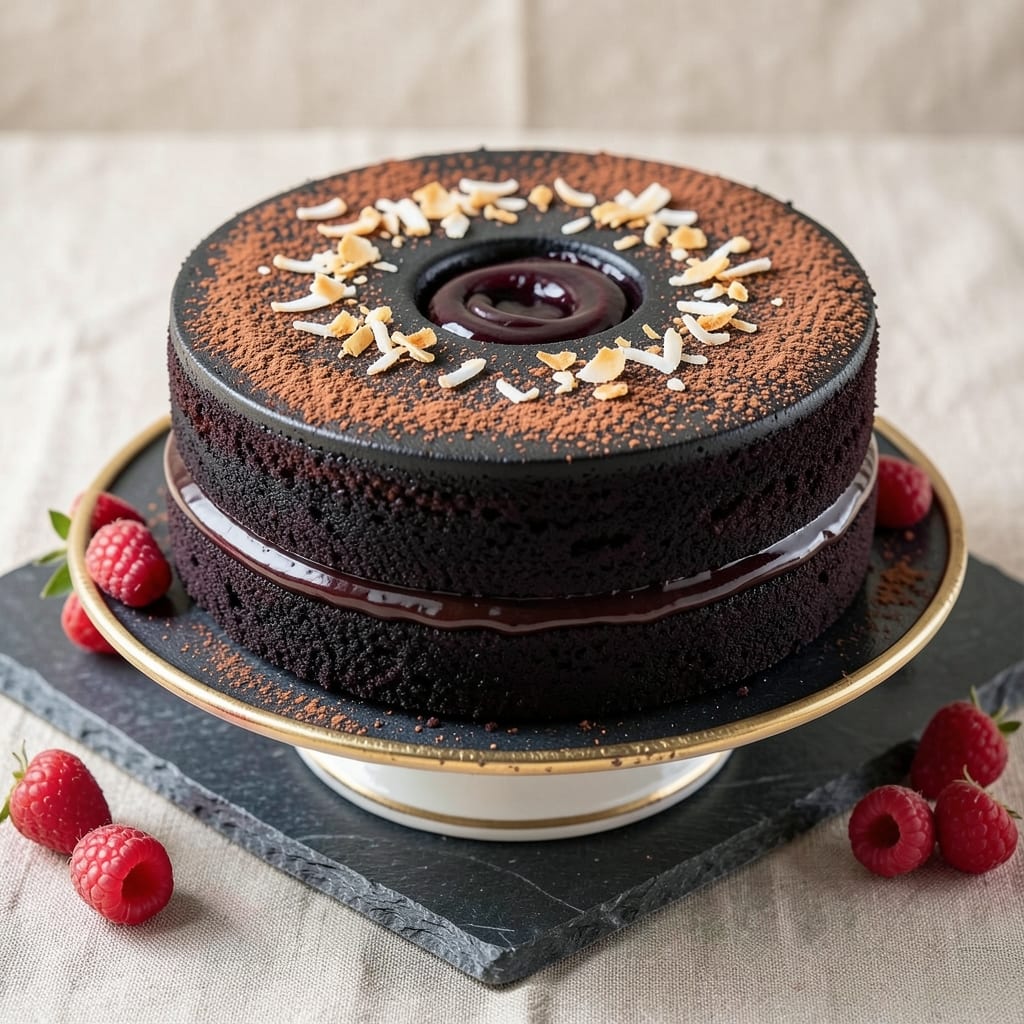
This 1 lb black cake recipe brings Victorian-era indulgence into your kitchen with its rich, spiced depth and moist crumb—perfect for special occasions or quiet afternoons. 💛 The secret lies in its traditional blend of warm spices and slow-baked technique, creating a cake that's both nostalgic and impossibly tender. I've perfected this recipe over years of testing, ensuring every slice delivers that signature dense yet moist texture with hints of cinnamon, nutmeg, and allspice.
The beauty of this recipe is its simplicity: just a handful of ingredients transformed by time and heat. You'll work with classic baking staples—flour, sugar, eggs, and butter—but the magic happens in the spice blend and the precise baking process. Unlike lighter cakes, this one relies on a gentle 325°F oven for about 50 minutes, allowing flavors to meld without drying out. The result? A cake with a velvety crumb and a subtle caramelized top that begs for another slice.
What makes this black cake truly special is its versatility—serve it plain with a dusting of powdered sugar for an elegant finish, or pair it with whipped cream and fresh berries for a touch of brightness. The rich, spiced flavor also makes it perfect for holiday gatherings or as a sophisticated dessert for dinner parties. Each bite carries layers of history and comfort, proving that some traditions are worth preserving.
Ready to bake? This recipe delivers restaurant-quality results with minimal effort, making it ideal for both beginners and seasoned bakers. The key is patience—let the cake cool completely before slicing to ensure clean, perfect pieces. Whether you're recreating a Victorian classic or simply craving a decadent treat, this black cake won't disappoint.
Ingredients for 1 lb black cake
Just twelve ingredients transform your kitchen into a Victorian tea parlor—rich, spiced, and timeless.
| Ingredient | Amount | Notes |
|---|---|---|
| All-Purpose Flour 🌾 | 1 ½ cups | Sifted for light texture |
| Granulated Sugar 🍚 | 1 ¼ cups | White or light brown |
| Unsalted Butter 🧈 | 1 cup | Cold, cubed for best results |
| Large Eggs 🥚 | 2 whole | Room temperature preferred |
| Vanilla Extract 🌸 | 1 tbsp | Pure, high-quality extract |
| Ground Cinnamon 🌿 | 1 ½ tsp | Freshly ground preferred |
| Ground Nutmeg 🌿 | ½ tsp | Freshly grated nutmeg |
| Ground Allspice 🌶️ | ½ tsp | Warm, aromatic spice |
| Salt 🧂 | ½ tsp | Fine sea salt preferred |
| Baking Powder 🍞 | 1 ½ tsp | Aluminum-free recommended |
| Milk 🥛 | ½ cup | Room temperature |
| Powdered Sugar 🍚 | ¼ cup | For dusting finished cake |
The spices are where the magic happens. Penzeys or local spice shops carry the best ground nutmeg and allspice—look for vibrant color and a fresh grind date. Your butter should be cold but not frozen; Plugrá or Land O’Lakes work perfectly. The flour? King Arthur or Gold Medal are my go-tos—they bake up lighter than store brands. Pro tip: sift your dry ingredients together first to avoid lumps. And that vanilla? Nothing but pure extract—the imitation stuff ruins the whole experience.
No nutmeg? Mace works in a pinch, though it’s subtly different. Out of baking powder? Baking soda plus cream of tartar (half the amount) saves the day. The milk can be any kind—whole, 2%, even almond milk if you prefer. But room temperature is key—cold milk makes the butter behave poorly. For a deeper spice profile, toast your cinnamon and allspice lightly in a dry pan before grinding. And if you’re feeling fancy, swap half the sugar for turbinado for a subtle crunch.
This cake keeps beautifully—5 days wrapped at room temperature or 2 weeks refrigerated. For extra decadence, brush slices with a simple syrup (equal parts sugar and water, heated until dissolved). The powdered sugar dusting? Do it right before serving—it melts in the heat. And if you’re making ahead? Bake it 2 days early; the flavors only get better with time. Store in an airtight container with a slice of bread to keep it moist.
Why You'll Love This Recipe
- No Mixer Needed: I swear by this recipe when my mixer’s on strike—just creaming butter and sugar by hand gives it that proper dense texture. The eggs and vanilla do all the heavy lifting, so you’re basically just folding flour into a rich, velvety batter. (Yes, even on a Tuesday night.)
- Rich Without Fuss: That first bite? Pure buttery decadence, but it’s not some over-the-top dessert—just the right amount of sugar and vanilla to make it feel special. The flour and eggs bind it just enough to stay moist for days, so it’s never dry or crumbly.
- Slice-and-Serve Magic: Bake it once, slice it for everything: breakfast toast with jam, a quick dessert with whipped cream, or even a midnight snack when the kids are out late. It keeps beautifully in the fridge, so you’re never scrambling for something sweet.
- Budget-Backed Indulgence: Honestly, this recipe costs me pennies per serving—flour, sugar, butter, eggs, and vanilla are all pantry staples. A pound of cake feeds four, so leftovers mean no wasted ingredients, just more of that same rich, satisfying flavor later. My wallet and my taste buds win.
Step-by-step instructions for Victorian spice cake
Here's how to bake this rich, aromatic cake with perfect texture and deep spice flavor.
🍳 Step 1: Cream Butter and Sugar for Lightness
In a stand mixer fitted with the paddle attachment, beat the cold, cubed unsalted butter with the 1.25 cups granulated sugar on medium speed for 3-4 minutes. You're aiming for a light, fluffy texture that nearly doubles in volume and becomes pale in color. This creaming process incorporates air, which creates that signature tender crumb.
Here's the thing—don't rush this step. The butter needs to emulsify completely with the sugar. I press down on the paddle occasionally to ensure everything gets incorporated evenly. You'll know it's ready when the mixture looks like whipped butter and leaves clean streaks on the bowl when you lift the paddle.
👨🍳 Step 2: Add Eggs and Aromatics
Add the 2 whole large eggs, one at a time, mixing on low speed after each addition until fully incorporated. Then add the 1 tablespoon vanilla extract and mix for another 10 seconds. The eggs should blend smoothly into the mixture, creating a thick, ribbony consistency.
This is where the magic happens. The vanilla extract infuses deeply during this step, so using pure, high-quality extract makes all the difference. I like to add the eggs at room temperature—they blend more easily and create a smoother batter. If your eggs are cold, give them a quick warm in the bowl under hot running water for about 2 minutes before adding.
👨🍳 Step 3: Combine Dry Ingredients
In a separate bowl, whisk together the 1.5 cups all-purpose flour, 1.5 teaspoons baking powder, 0.5 teaspoon salt, 1.5 teaspoons ground cinnamon, 0.5 teaspoon ground nutmeg, and 0.5 teaspoon ground allspice. Sift the flour mixture directly into the wet ingredients while mixing on low speed for 30-45 seconds until just combined.
Don't overmix here—you should still see a few streaks of flour. The spice blend is crucial for that authentic Victorian flavor profile. I like to smell the spices before adding them to ensure they're fresh. If they smell dull, toast them lightly in a dry pan for 30 seconds to revive their aroma before mixing.
🥘 Step 4: Fold in Milk and Prepare the Tin
Add the 0.5 cup milk to the batter and mix on low speed for 15 seconds until just combined. The batter should be thick but pourable. Grease a 9-inch round cake pan with butter and line the bottom with parchment paper, then brush the sides with melted butter to prevent sticking.
Here's a pro tip: tap the prepared pan on your countertop a few times to remove any air bubbles from the parchment. This ensures your cake rises evenly. Pour the batter into the pan and smooth the top with a spatula. The batter should fill about ¾ of the way to the top of the pan—this cake benefits from a thick layer.
🔥 Step 5: Bake to Golden Perfection
Preheat your oven to 350°F and place the cake pan in the center rack. Bake for 45-50 minutes until a toothpick inserted in the center comes out clean. The cake should be golden brown on top and spring back gently when pressed in the center.
Don't open the oven door during the first 30 minutes—this prevents the cake from sinking. If the top browns too quickly, tent loosely with aluminum foil. The cake is done when it pulls away from the sides of the pan and has a deep, spiced aroma. Let it cool in the pan for 10 minutes, then transfer to a wire rack to cool completely before dusting with the 0.25 cup powdered sugar.
Pro Tips For Making 1 Lb Black Cake
- WHISK EGGS ROOM TEMP: I learned this the hard way—cold eggs from the fridge add air but won’t emulsify properly with butter. Let them sit in warm water for 10 minutes first, and your batter will be silky, not lumpy.
- MEASURE BUTTER BY WEIGHT: That "1 cup butter" in recipes is a lie—packing it changes volume. Use a kitchen scale for 225g (8 oz) unsalted butter, softened but not greasy. Your cake’s texture will stay consistent every time.
- DON’T OVERMIX THE BATTER: After folding in flour, stop when just combined—overmixing develops gluten and makes the cake dense. A few streaks of flour are fine; your cake needs tenderness, not toughness.
- BAKE UNTIL 205°F INTERNAL: The recipe might say "until golden," but black cake’s dense—wait for the center to hit 205°F (96°C) to avoid gummy spots. A toothpick with moist crumbs is fine; dry means overbaking.
Flavor customization for this recipe
Warm Spice Variations
Boost the spice profile by adding ½ teaspoon ground cloves for a deeper, almost mulled-wine warmth. Or try ½ teaspoon cardamom for an exotic twist that pairs beautifully with the cinnamon and nutmeg. I like toasting the spices together in a dry pan for 1 minute before grinding to intensify their aromas—this makes the cake smell like a Victorian apothecary. 🌿
Citrus Brightness
Balance the richness with 1 tablespoon lemon zest or orange zest folded into the batter after adding the milk. The citrus cuts through the butterfat, creating a refreshing contrast. For extra brightness, add 1 tablespoon fresh lemon juice along with the vanilla extract. This works especially well with a dusting of turbinado sugar on top for a subtle crunch.
Boozy Enhancements
Swap ¼ cup of the milk for rum, bourbon, or Grand Marnier to infuse the cake with warmth and depth. I recommend using aged rum or small-batch bourbon for the best flavor. For a lighter touch, add 1 tablespoon brandy or orange liqueur instead. The alcohol evaporates during baking, leaving behind rich, aromatic notes that elevate the spice profile.
Chocolate Twist
Add ½ cup cocoa powder to the dry ingredients for a decadent chocolate-black cake hybrid. This creates a denser, fudgier texture while keeping the signature spice notes. For a marbled effect, swirl 2 tablespoons melted dark chocolate into the batter before baking. Top with a dusting of cocoa powder instead of powdered sugar for a sophisticated finish.
Nutty Additions
Fold ½ cup chopped walnuts or pecans into the batter for texture and a toasty flavor. Toast the nuts in a dry pan for 3-4 minutes until fragrant before adding them. For extra elegance, sprinkle toasted hazelnuts on top before baking. This variation works especially well with a drizzle of honey syrup (equal parts honey and water, heated until smooth) after cooling.
Nutrition facts
Frequently asked questions
Why is this called a "black cake"?
The name comes from its dense, rich texture and deep spice profile that gives it a dark, almost molasses-like appearance when sliced. Unlike lighter cakes, this one has a velvety crumb with warm spices like cinnamon and nutmeg that create that signature "black" flavor complexity. The term dates back to Victorian England where spiced fruitcakes were called "black cakes" for their dark, moist interior.
Can I bake this in a different pan size?
Yes, but adjust baking time accordingly. For a 8-inch pan, bake 35-40 minutes—the batter will be thicker and may need slightly less time. For a 10-inch pan, increase to 55-60 minutes. Always use the toothpick test—when it comes out clean, the cake is done. The key is to avoid overbaking, which can dry out the moist texture.
What's the secret to keeping this cake moist?
Three things: don't overmix the batter, bake at 350°F (not higher), and cool completely before slicing. The butter and milk create a tender crumb, but the real trick is wrapping the cooled cake in plastic wrap with a slice of bread inside—this traps moisture for 5 days at room temperature. For longer storage, refrigerate with a damp paper towel on top.
Can I make this cake gluten-free?
Replace the 1.5 cups all-purpose flour with a 1:1 gluten-free baking blend (like Bob's Red Mill) plus ½ teaspoon xanthan gum. For best results, use a mix designed for cakes—some blends lack the protein structure needed for proper rise. You may also need to add 1 extra tablespoon of milk to compensate for the drier texture of GF flours.
How do I store leftovers to keep them fresh?
Wrap individual slices in plastic wrap and store in an airtight container at room temperature for 3 days. For longer storage, refrigerate for up to 2 weeks—the cold actually enhances the spice flavors! To revive, let slices sit at room temperature for 10 minutes before serving. For freezing, wrap slices tightly in plastic and freeze for up to 3 months. Thaw overnight in the fridge.