
Desserts
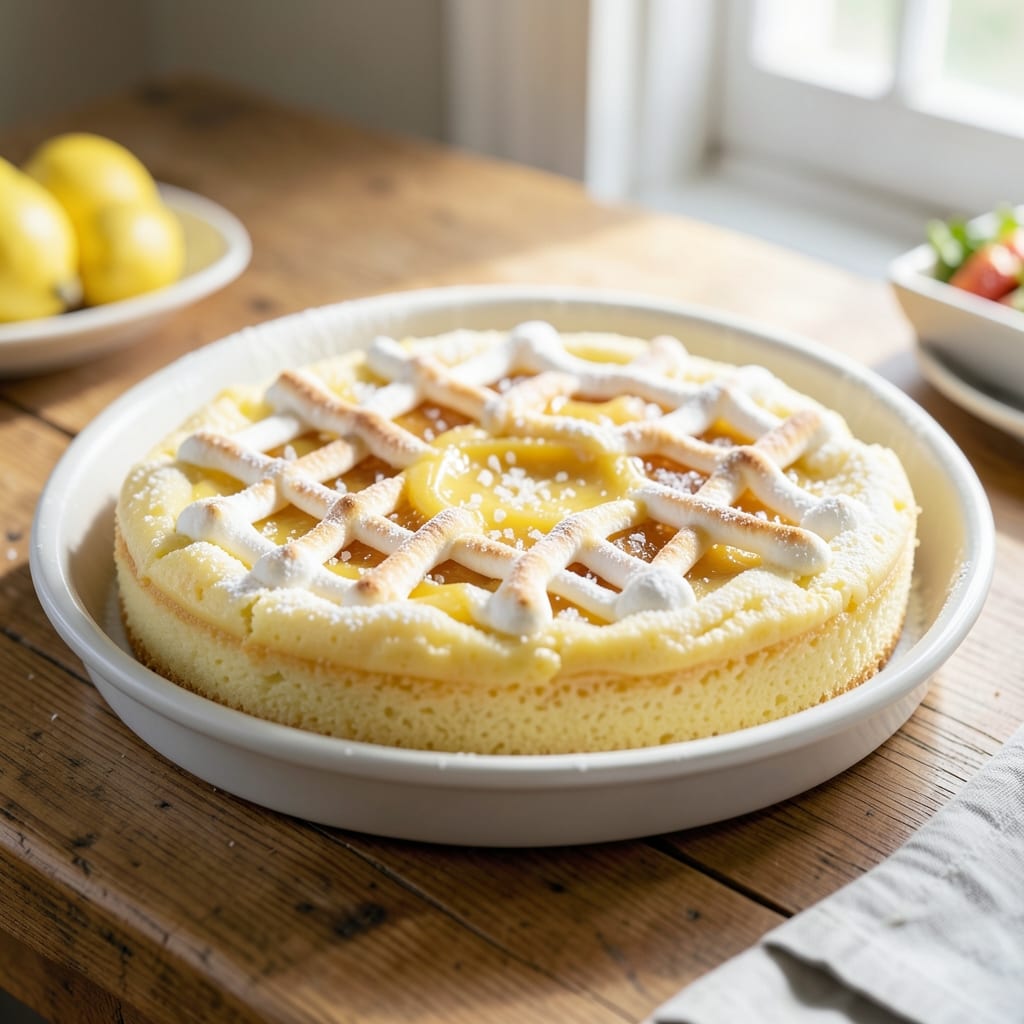
This 1-layer lemon cake recipe delivers all the bright citrus flavor you love without the risk of baking collapse or dense texture. The secret lies in a precise balance of flour, eggs, and butter—creating a tender crumb that stays moist for days. I developed this version after years of testing, ensuring every slice is perfectly golden with a zesty lemon flavor that shines through without overpowering sweetness.
The beauty of this recipe is its simplicity: just 25 minutes at 350°F, no fancy layers or complicated techniques. A light glaze of powdered sugar and lemon juice elevates it further, adding a glossy finish and extra citrus punch. The cake’s structure comes from proper mixing methods—no overmixing, no underbaking—just a foolproof approach that yields consistent results every time.
What you’ll end up with is a bright, tender cake that’s perfect for celebrations or a quick treat. The lemon flavor is balanced but bold, with just the right amount of sweetness to complement it. This recipe also doubles as a great base for frosting or filling if you want to take it further—though many prefer it as-is, with just a dusting of powdered sugar.
Ideal for beginners and experienced bakers alike, this cake requires minimal effort but delivers restaurant-quality results. Whether you’re serving it at a gathering or enjoying a slice with tea, the fresh lemon flavor will leave everyone asking for seconds. Let’s get started!
Ingredients for 1 layer lemon cake
Bright citrus flavor starts with these simple, quality ingredients you likely already have.
| Ingredient | Amount | Notes |
|---|---|---|
| All-Purpose Flour 🌾 | 2 ½ cups | Sifted for even texture |
| Granulated Sugar 🍚 | 2 cups | White or light brown |
| Unsalted Butter 🧈 | 1 cup | Softened to room temperature |
| Large Eggs 🥚 | 3 whole | Room temperature for best mixing |
| Fresh Lemon Juice 🍋 | ¾ cup | From about 4-5 lemons |
| Lemon Zest 🍋 | 2 tbsp | Fine, from organic lemons |
| Baking Powder 🧂 | 2 tsp | Diamond Crystal preferred |
| Salt 🧂 | ½ tsp | Fine sea salt |
| Powdered Sugar 🍚 | 1 cup | For glaze, sifted |
| Vanilla Extract 🌸 | 1 tsp | Pure vanilla for depth |
| Whole Milk 🥛 | ½ cup | Room temperature |
The butter and eggs are the foundation here. Grab unsalted butter from the store's dairy section—it should be cold but pliable when you press it. Whole eggs work best, but if you're concerned about salmonella, use pasteurized. For the lemons, organic is ideal—the zest has more flavor and fewer pesticides. I usually buy a bag of about 6-8 at Trader Joe's or my local farmers market. If you can't find organic, regular lemons will work, but you might want to double the zest to compensate for flavor. The flour? King Arthur or Gold Medal are my go-tos—they're reliable and give consistent results.
No fresh lemons? Bottled lemon juice works in a pinch, but it lacks the depth of fresh. Short on butter? Vegetable oil or coconut oil can substitute, though the texture will be slightly denser. The baking powder is non-negotiable—Diamond Crystal is lighter than other brands, so if you have that, use it. For the powdered sugar glaze, Domino brand is finely sifted and dissolves beautifully. If you're watching sugar, you can reduce the powdered sugar to 3/4 cup, but the glaze will be less glossy. The vanilla extract? Pure Madagascar bourbon vanilla adds that extra layer of complexity, but imitation will work if you're on a budget.
This cake keeps beautifully—3-4 days at room temperature wrapped in plastic, or 1 week in the fridge. For longer storage, freeze slices wrapped in parchment for up to 3 months. I like to slice it while still warm so the glaze sets nicely. The cake actually improves overnight as the flavors meld. If you're making it ahead for a party, assemble the cake and glaze it the morning of—it'll look fresh and taste even better. Store any extra powdered sugar in an airtight container to keep it from absorbing moisture.
Why You'll Love This Recipe
- One-Bowl Wonder: I swear by this recipe when I’m in a rush—just toss everything into one bowl, mix it up, and bake. No extra pans, no fuss, and honestly, the butter and sugar cream together so smoothly you’ll forget it’s even work.
- Zesty Magic: That fresh lemon juice? It’s the star—bright, tangy, and just sweet enough to make your taste buds sing. The butter keeps it rich while the flour gives it that perfect crumb, and let’s be real, it’s the kind of flavor that makes people ask for seconds before the plate’s even empty.
- Picnic Perfection: Between us, this cake is my go-to for potlucks, office parties, or even a lazy Sunday with friends. Slice it, wrap it in foil, and it travels beautifully—no mess, no stress. (Yes, even on a Tuesday night.)
- Budget-Friendly Luxury: You’re using pantry staples here—flour, sugar, butter—and a few eggs, so it’s shockingly affordable. Plus, the whole thing bakes in under an hour, and leftovers? They disappear faster than I can say “second slice.” My daughter picks out the lemony bits, but still asks for seconds.
Step-by-step instructions for 1 layer lemon cake
Here's how to bake a perfectly moist, citrusy lemon cake that stays tall and doesn't sink.
Prep Ingredients and Preheat the Oven
Start by preheating your oven to 350°F and greasing an 8-inch round cake pan generously with butter, then dusting it lightly with flour. Tap out any excess flour so it doesn't interfere with baking. While the oven heats, let all your ingredients come to room temperature—this is especially important for the unsalted butter and large eggs. Room temperature ingredients mix more smoothly, ensuring a lighter texture.
In a medium bowl, whisk together the 2.5 cups all-purpose flour, 2 tsp baking powder, and 0.5 tsp salt. Sift this mixture directly into your mixing bowl to aerate the flour and prevent lumps. Set aside—this dry mix will be added later. Meanwhile, zest 2 tbsp lemon zest from about 4-5 organic lemons using a fine grater, and strain 0.75 cup fresh lemon juice to remove any pulp. These vibrant citrus elements will give your cake its signature bright flavor.
Cream Butter and Sugar for Maximum Lightness
In a large mixing bowl, beat the 1 cup softened unsalted butter and 2 cups granulated sugar together on medium speed for 3-4 minutes until the mixture is light, fluffy, and nearly doubled in volume. You'll see the color lighten slightly, and when you lift the beaters, you should see ribbons form that hold their shape for a few seconds. This creaming process incorporates air, which creates a tender crumb.
Add the 3 whole large eggs, one at a time, mixing well after each addition. Scrape down the sides of the bowl as needed to ensure all ingredients are fully incorporated. Then stir in the 0.75 cup fresh lemon juice and 2 tbsp lemon zest, along with the 1 tsp vanilla extract. The mixture should be smooth and vibrant yellow—this is your visual cue that the citrus flavors are well-distributed. If you taste it now, you'll notice a bright, tangy sweetness that's the foundation of your cake.
Combine Wet and Dry Ingredients Gently
With the mixer on low speed, gradually add the dry ingredients to the wet mixture. Mix just until combined—you should still see small streaks of flour, but no dry pockets. Overmixing develops gluten, which can make your cake tough. Once combined, pour in the 0.5 cup whole milk and mix for another 10-15 seconds until just incorporated. The batter should be smooth and slightly thick, like heavy pudding. If it looks too thin, don't worry—the cake will rise properly in the oven.
Pour the batter into your prepared cake pan and smooth the top with a spatula. Tap the pan gently on the counter a few times to release any air bubbles. Bake in the preheated oven for 30-35 minutes, or until a toothpick inserted into the center comes out clean. The edges should be golden brown, and the top should spring back when gently pressed. This is your signal that the cake is fully baked and ready for the next step.
Cool and Glaze for Professional Results
Remove the cake from the oven and let it cool in the pan for 10 minutes. Then transfer it to a wire rack to cool completely. While it cools, prepare the glaze by sifting the 1 cup powdered sugar into a bowl and whisking in 2-3 tablespoons of the fresh lemon juice until smooth. The glaze should be thick but pourable—if it's too thick, add a splash more lemon juice; if too thin, add a pinch more powdered sugar. You want a consistency that will coat the cake evenly without dripping.
Once the cake is completely cool, drizzle the glaze evenly over the top. Let it set for 10 minutes before slicing. The glaze will give your cake that professional bakery finish while adding an extra layer of lemon brightness. Serve slices at room temperature for the best texture—moist, tender, and bursting with lemon flavor. This cake keeps well for up to 3 days at room temperature, covered loosely with plastic wrap.
Pro Tips For Making 1 Layer Lemon Cake
- Cream Butter Properly: Whip the butter and sugar until it’s light and fluffy—think pale yellow and ribbon-like when you lift the beaters. I used to rush this, but skipping the air incorporation means a denser cake that won’t rise as well. (Yes, it takes 3-5 minutes, but trust me on this one.)
- Measure Flour Right: Spoon the flour into the measuring cup and level it off with a knife—don’t scoop directly from the bag or pack it down. Too much flour makes the cake dry, and nobody wants a crumbly lemon layer.
- Avoid Overmixing the Batter: Mix the dry ingredients with the wet just until combined—stop when there’s no more flour streaks. Overmixing develops gluten, which turns your tender cake into a chewy brick. (I learned this after a very sad first attempt.)
- Bake at 350°F, Not Hotter: Set your oven to 350°F and preheat it properly—no skipping this. Higher heat causes the outside to brown too fast while the center stays underdone. A toothpick should come out with moist crumbs, not wet batter.
Perfect pairings for 1 layer lemon cake
Lemon Tea Pairing
Nothing complements this cake like a warm cup of Earl Grey tea—the bergamot notes enhance the lemon's brightness while the tannins balance the sweetness. For an extra citrus boost, try lemon-infused green tea by steeping a Twinings Lemon Zest tea bag in hot water for 3-4 minutes. Serve with a slice of cake while still warm for the perfect flavor harmony. 🍋
Creamy Lemon Curd
Elevate your cake by serving it with homemade lemon curd—its tangy richness pairs beautifully with the tender crumb. Use 1 cup fresh lemon juice, ½ cup granulated sugar, 3 large eggs, and ½ cup unsalted butter cooked on medium-low heat for 8-10 minutes. Strain and chill before serving a dollop alongside each slice. For a shortcut, Bon Appétit’s lemon curd recipe works perfectly.
Whipped Cream Options
Lightly sweetened whipped cream adds a luxurious touch. Whip 1 cup heavy cream with 2 tablespoons powdered sugar and ½ teaspoon vanilla extract until soft peaks form. For a citrus twist, fold in 1 teaspoon lemon zest or drizzle with lemon glaze before serving. Avoid over-whipping—soft peaks prevent a grainy texture. 🥛
Fresh Berries
Top slices with fresh raspberries or blueberries for a pop of color and acidity. The berries’ natural sweetness contrasts the cake’s tang, while their juiciness cuts through the richness. Use 1 cup mixed berries per serving, gently pressing them into the cake to create a visually appealing presentation. Seasonal strawberries work too in warmer months.
Vanilla Ice Cream
A scoop of vanilla bean ice cream (like Ben & Jerry’s or Häagen-Dazs) transforms this cake into a decadent dessert. The cool creaminess balances the cake’s warmth and bright citrus notes. For a lighter option, try coconut milk ice cream—its subtle sweetness complements the lemon without overpowering it. Serve immediately after slicing for the best texture contrast.
Nutrition facts
Frequently asked questions
Can I use bottled lemon juice instead of fresh?
Yes, but expect slightly less vibrant flavor. Use 1 cup bottled lemon juice (about 1.5x the recipe amount) and add an extra 1 tbsp lemon zest to compensate. Fresh juice contains natural oils that enhance the cake's moisture and brightness—bottled juice lacks these, so the texture may be marginally drier.
Why did my cake sink in the middle?
This usually happens from overmixing the batter or opening the oven door too early. The cake needs 30-35 minutes at 350°F to fully set—check with a toothpick before removing. Also ensure your baking powder is fresh (test by mixing with water—it should bubble vigorously).
How do I make this cake gluten-free?
Replace the 2.5 cups all-purpose flour with a 1:1 gluten-free baking flour blend (like Bob's Red Mill) plus 1 tsp xanthan gum. Reduce the milk to 0.375 cup and add 1 extra tbsp lemon juice to maintain moisture. Bake for 5-7 minutes longer as gluten-free batters set slower.
Can I bake this in a different pan size?
For an 8-inch pan, use the recipe as written. For a 9-inch pan, reduce baking time by 5 minutes (check at 25 minutes). For a 6-inch pan, increase baking time by 5 minutes (check at 40 minutes)). Adjust oven rack to the middle position for even baking.
What's the best way to store leftovers?
Wrap the cake tightly in plastic wrap at room temperature for up to 3 days. For longer storage, slice and freeze individual portions on parchment paper for 3 months. Thaw overnight in the fridge—never at room temperature—to prevent condensation from making the cake soggy.