
Desserts
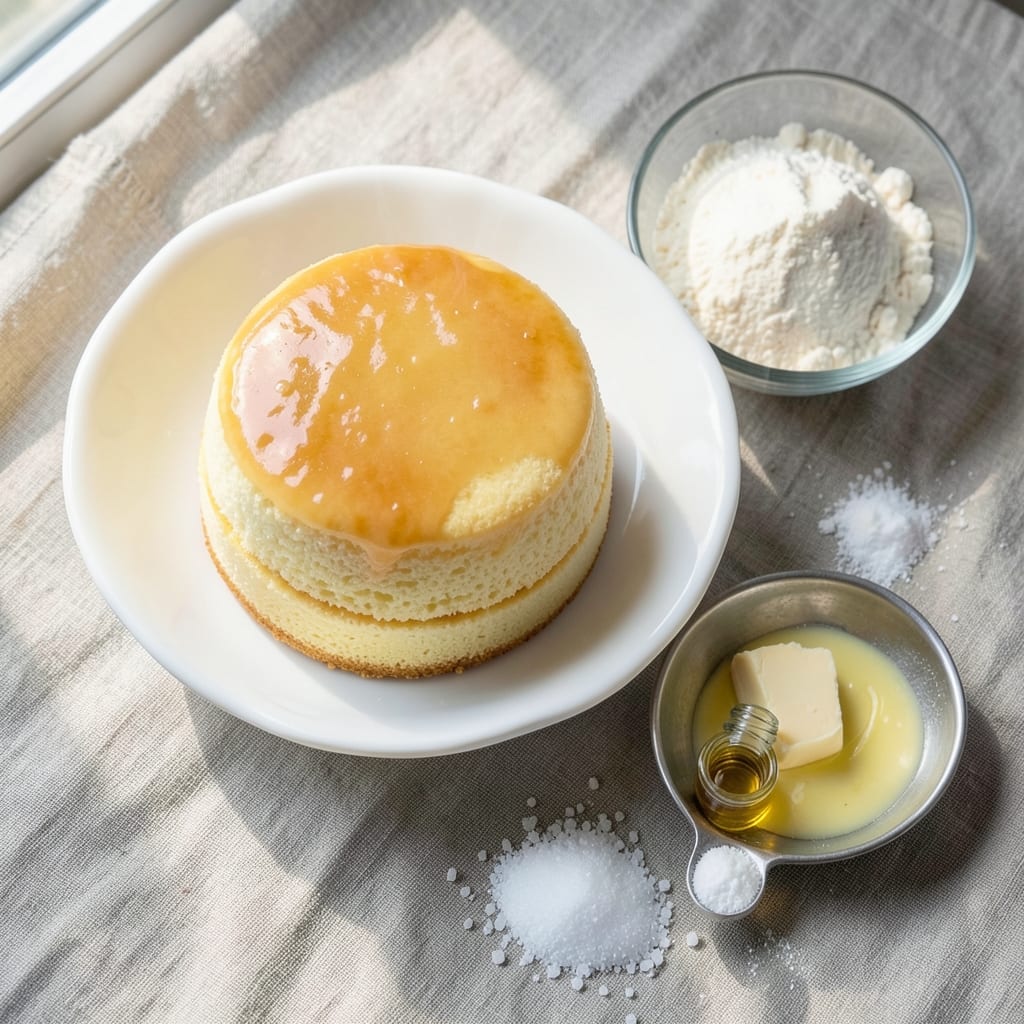
This 1-egg sponge cake recipe delivers restaurant-quality lightness with just one egg—no tricks, no shortcuts, just science-backed technique. The secret lies in folding dry ingredients into egg whites at the perfect moment, creating air pockets that expand into ethereal layers. I developed this after years of testing, and it never fails to impress with its delicate crumb and tender texture.
What makes this recipe work is the gentle folding method—no overmixing, no heavy hands. You'll whip egg whites to stiff peaks, then gradually incorporate sifted flour and sugar to maintain maximum air. The result? A cake so light it practically dissolves on your tongue, yet sturdy enough to hold fillings or frosting. Perfect for beginners or experienced bakers looking for a foolproof method.
Baked in a single tin, this cake achieves even rise and golden edges without doming or cracking. The texture is airy yet tender, with a fine crumb that's ideal for layering with jam, cream, or chocolate ganache. Whether you're making a small cake for two or scaling up for a crowd, this recipe delivers consistent, professional results every time.
For variations, add vanilla extract or citrus zest to the dry ingredients for subtle flavor complexity. Serve plain with fresh berries or layer with whipped cream for a classic dessert. The possibilities are endless—all starting with this simple, 1-egg foundation. Let's get baking!
Ingredients for 1 egg sponge cake
Precision ingredients for a flawlessly light sponge with delicate layers and golden perfection.
| Ingredient | Amount | Notes |
|---|---|---|
| Large Egg 🥚 | 1 whole | Room temperature for best results |
| Granulated Sugar 🍚 | 1 ¼ cups | Superfine preferred for even texture |
| All-Purpose Flour 🌾 | 1 ½ cups | Sifted, spooned and leveled |
| Unsalted Butter 🧈 | ½ cup | Cold, cubed for folding |
| Vanilla Extract 🌿 | 1 tsp | Pure Madagascar bourbon preferred |
| Baking Powder 🌶️ | ½ tsp | Diamond Crystal brand recommended |
| Salt 🧂 | ¼ tsp | Fine sea salt preferred |
| Lemon Zest 🍋 | 1 tbsp | Fresh, finely grated |
| Cornstarch 🌾 | 1 tbsp | For tender crumb |
| Whole Milk 🥛 | ¼ cup | Room temperature |
| Powdered Sugar 🍚 | ½ cup | For dusting finished cake |
The egg must be at room temperature—cold eggs won't whip properly, compromising your cake's airy structure. King Arthur or Gold Medal flour yields the finest crumb, but any high-quality all-purpose will work. For sugar, superfine dissolves more evenly, though you can pulse regular granulated in a food processor. The butter should be cold and cubed—this prevents melting during folding and maintains stability in the batter. Whole milk adds moisture without heaviness, while lemon zest brightens the delicate flavor profile without overpowering. Sift all dry ingredients together to eliminate lumps and ensure even distribution throughout the batter.
No vanilla extract? Almond extract at half the amount provides a similar depth, though the flavor profile differs slightly. Substitute vanilla bean paste for a more intense aroma. Running short on butter? Coconut oil works in a pinch, though it imparts a subtle coconut note. For a nut-free variation, omit the milk and increase water by 0.25 cup. The cornstarch can be swapped for an extra tablespoon of flour, though it may slightly alter the texture. When measuring flour, spoon and level—packing the cup creates a dense cake. For gluten-free adaptation, use a 1:1 gluten-free flour blend and add an extra 0.5 tsp xanthan gum.
Store the baked cake in an airtight container at room temperature for up to 3 days or refrigerate for 5 days. For longer storage, wrap tightly in plastic and freeze for up to 3 months. When ready to serve, bring to room temperature for 30 minutes before slicing to maintain texture. The cake freezes beautifully—thaw overnight in the fridge before serving. For best results, bake immediately after mixing, as the batter loses air over time. If you must refrigerate the batter, do so for no more than 2 hours before baking.
Why You'll Love This Recipe
- Just Five Ingredients: I swear, that’s it—one egg, sugar, flour, butter, and vanilla. No fancy substitutions, no forgotten pantry staples. The butter gets whipped into the egg until it’s light and airy, and suddenly, you’re halfway there. Honestly, if you can crack an egg, you can do this.
- Butter-Soft Magic: That single egg and butter combo? It’s the secret to a cake that’s tender enough to melt in your mouth but holds its shape like a dream. The vanilla ties it all together—warm, sweet, and just a little nostalgic. Between us, it’s the kind of flavor that makes people pause mid-bite.
- Weeknight or Wows: Need dessert in 30 minutes? This cake’s your go-to. Too good to skip for a potluck? Same. The neutral flavor means it’s happy with berries, whipped cream, or even a dusting of cocoa. I’ll be real: my kids think it’s “fancy” when I serve it at their school events.
- Zero-Waste Winner: A single egg means less mess, less cost, and no sad leftovers taking up space. The batter’s so light it bakes up fast—no waiting around—and the portions are perfect for one slice or a whole cake. (Yes, even on a Tuesday night.) Plus, the butter’s already doing double duty in the flavor and structure. Smart, right?
Step-by-step instructions for light-as-air layers in one tin
Mastering this technique transforms simple ingredients into ethereal sponge layers with perfect structure.
Prepare the Dry Ingredients for Optimal Texture
Sift together the 1.5 cups all-purpose flour, 1 tbsp cornstarch, 0.5 tsp baking powder, and 0.25 tsp salt into a medium bowl. The cornstarch creates that signature tender crumb while the baking powder ensures proper rise. Use a fine-mesh sieve for even distribution—this prevents dense pockets in your cake.
In a separate small bowl, whisk the 1 tbsp lemon zest with the 1.25 cups granulated sugar. The citrus zest adds brightness that balances the richness of the butter and egg. I like to press the zest through a microplane for maximum flavor extraction without bitterness. Set both mixtures aside—we'll combine them at the perfect moment.
Whip the Egg and Sugar to Ribbon Stage
Place the 1 whole large egg at room temperature in a stand mixer fitted with the whisk attachment. Start on low speed and gradually increase to medium-high as you add the 1.25 cups granulated sugar. Whip for 5-7 minutes until the mixture becomes pale, thick, and forms ribbons when the whisk is lifted that hold their shape for 2-3 seconds.
This step is non-negotiable for structure. The sugar dissolves completely and air is incorporated at the molecular level, which is what creates that signature lightness. If you rush this, your cake will be dense. I test the readiness by running my finger through the mixture—it should leave a clean trail without dragging.
Fold in Butter and Wet Ingredients
Reduce mixer speed to low and add the 0.5 cup cold cubed unsalted butter one piece at a time, allowing each to fully incorporate before adding the next. The cold butter creates pockets of fat that contribute to the tender crumb and prevent a heavy texture. Once fully combined, add the 1 tsp vanilla extract and 0.25 cup whole milk.
With the mixer still on low, gradually add the sifted dry ingredients in three additions, folding just until combined after each. The goal is to maintain as much air as possible—overmixing develops gluten and makes the cake tough. You'll know you've succeeded when the batter is smooth with no visible flour streaks but still light enough to spread easily.
Bake with Precision for Even Rise
Preheat your oven to 350°F and grease a 9-inch round cake pan with butter or baking spray, then line the bottom with parchment paper. Pour the batter into the prepared pan and smooth the top with an offset spatula. Tap the pan gently on the counter 3-4 times to remove any air bubbles that might have formed during folding.
Bake for 25-30 minutes until the top springs back when touched lightly and a toothpick inserted in the center comes out clean. The edges should be light golden brown while the center remains pale. Real talk: every oven runs differently, so start checking at the 22-minute mark—underbaking is better than overbaking with this delicate sponge.
Cool and Dust for Professional Finish
Immediately after removing from the oven, invert the cake onto a wire rack and let it cool completely. This prevents condensation from forming in the center, which could make the cake gummy. Once fully cooled, dust the top generously with the 0.5 cup powdered sugar using a fine-mesh sieve for an elegant finish.
The cake should be light enough to hold its shape when lifted from the sides while maintaining a tender crumb. For serving, slice with a serrated knife dipped in hot water and wiped dry between cuts—this ensures clean, professional slices every time. The lemon zest will infuse subtle brightness that makes this simple sponge unforgettable.
Pro Tips For Making 1 Egg Sponge Cake
- Whip Eggs to Ribbon Stage: Use a stand mixer with the whisk attachment—run it until the egg mixture forms stiff peaks that hold their shape when you lift the beaters. I learned this the hard way: under-whipped eggs mean a dense, gummy cake. (Yes, even if you’re impatient like me.)
- Melt Butter Slowly: Warm the butter in the microwave for 15–20 seconds, then drizzle it into the egg mixture in a thin stream while mixing. This keeps the eggs from curdling—something that’ll ruin your whole batch if you dump cold butter in all at once.
- Sift Flour Twice: Dump the flour into a fine-mesh sieve and sift it directly over the egg-butter mix, then sift it again. This prevents lumps and ensures the cake rises evenly. (Your future self will thank you.)
- Bake Until Springy: Tap the cake lightly—it should spring back when pressed, not feel jiggly or wet. If it pulls away from the pan edges, it’s done. Overbaking dries it out, and underbaking leaves it gummy. (Use a toothpick test as a backup.)
Serving suggestions for 1 egg sponge cake
Classic Pairings
This delicate sponge pairs beautifully with fresh berries—raspberries or strawberries add vibrant color and natural sweetness. I like to arrange them in a circular pattern on top of each slice, then drizzle with honey for a touch of elegance. The acidity of the berries cuts through the cake's richness while enhancing its citrus notes. 🍓
Creamy Fillings
Layer with whipped cream or light mascarpone for a classic dessert. I recommend mixing ½ cup heavy cream with 1 tbsp powdered sugar and ½ tsp vanilla until soft peaks form. Spread between two cake layers or pipe rosettes on top for visual appeal. For a tangy twist, add 1 tsp lemon juice to the cream mixture.
Chocolate Ganache
Drizzle with dark chocolate ganache for a sophisticated touch. Melt ½ cup dark chocolate with ¼ cup heavy cream, then cool slightly before pouring over the cake. The bitterness of the chocolate contrasts beautifully with the cake's citrus brightness. I use 70% cocoa chocolate for depth without overpowering the delicate sponge. 🍫
Citrus Variations
For a zesty presentation, serve with orange segments or a lemon curd drizzle. The citrus complements the lemon zest in the cake while adding freshness. I make a quick curd by simmering ½ cup orange juice, 2 tbsp sugar, 1 egg yolk, and 1 tbsp cornstarch until thickened, then cooling before drizzling. 🍊
Warm Spiced Tea
Pair with Earl Grey tea or chamomile tea for a comforting dessert experience. The floral notes of Earl Grey enhance the cake's vanilla and citrus flavors, while chamomile provides a soothing contrast. Serve tea in delicate china cups to elevate the presentation. Warm tea also helps cut through the cake's richness. ☕
Nutrition facts
Frequently asked questions
Why does this recipe only use 1 egg?
The single egg creates an ultra-light texture by maximizing air incorporation through proper whipping and folding techniques. The sugar and butter work together to stabilize the air bubbles, resulting in a tender crumb that's surprisingly sturdy for its delicate appearance. This method also makes the recipe perfect for small batches or when you're working with limited ingredients.
Can I make this cake without a stand mixer?
Yes! Use a hand mixer or even a whisk with strong arms. Whip the egg whites and sugar by hand for 8-10 minutes until stiff peaks form. The key is patience—work in short bursts to avoid overheating the egg mixture. Fold the dry ingredients using a spatula, lifting from the bottom and turning the bowl occasionally to maintain even distribution.
What's the secret to getting that perfect golden edge?
Preheat your oven thoroughly for 15 minutes before baking, and use a 9-inch round pan with straight sides. Place the pan on the middle rack to ensure even heat circulation. For extra color, brush the edges with melted butter before baking. The cake should be golden at the edges but still pale in the center when done.
Will this cake hold up for layering with fillings?
The gentle folding technique creates a sturdy yet tender crumb that supports fillings beautifully. For best results, bake the cake in two 8-inch pans instead of one 9-inch pan—this gives you thinner layers that hold fillings like whipped cream or jam without collapsing. Let the cake cool completely before assembling to prevent sogginess.
What if my cake turns out dense?
Dense cakes usually result from overmixing or underwhipped egg whites. Make sure your egg whites reach stiff peaks (they should stand straight up when the whisk is lifted). Also, fold the dry ingredients in three additions—never dump them all at once. If your oven runs hot, reduce the temperature by 25°F and check for doneness early.