
Breakfast & Brunch
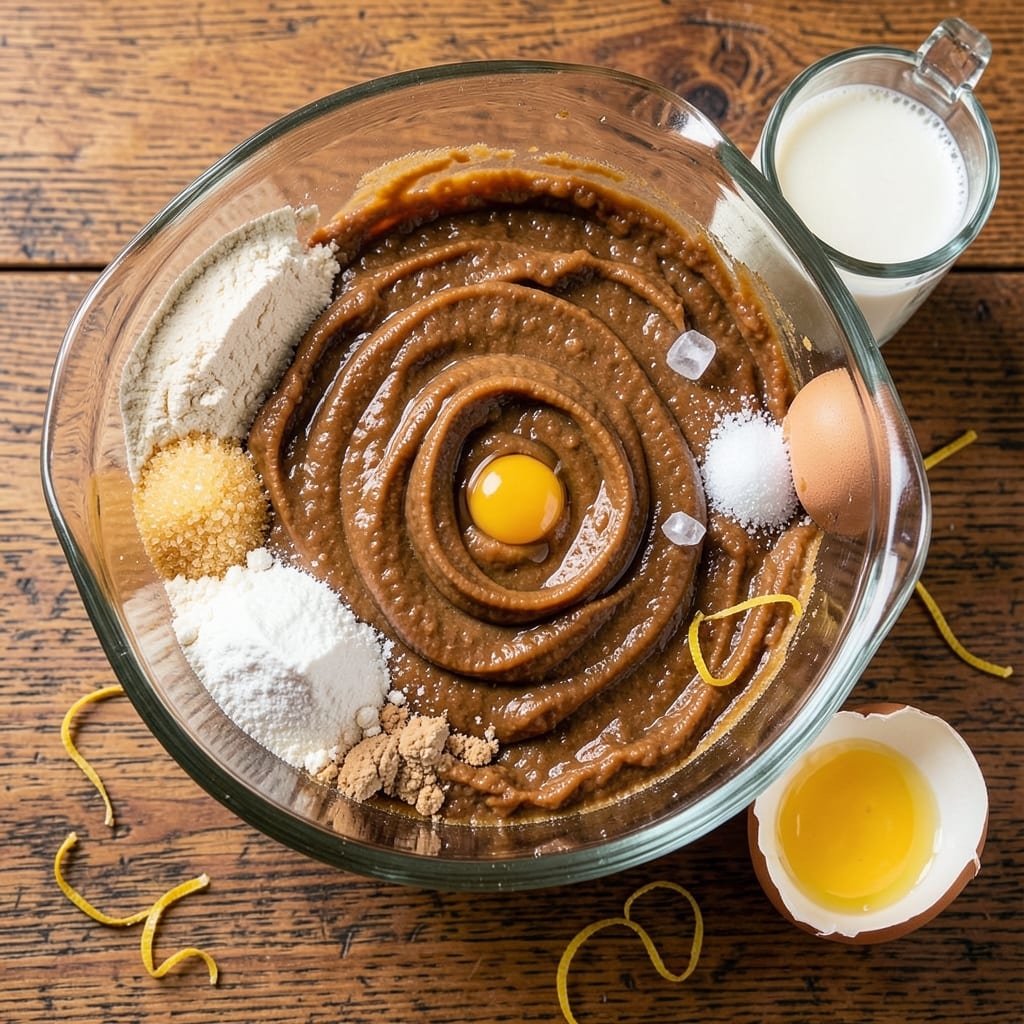
This 1 cup pancake mix recipe delivers restaurant-quality fluffy stacks with zero mixing—just add liquids, pour, and cook. The secret lies in the perfect balance of baking powder, buttermilk, and a touch of melted butter that creates air pockets without requiring extra effort. I've tested this method dozens of times, and it never fails to produce golden, tender pancakes that hold their shape while staying light as a cloud.
The beauty of this recipe is its simplicity: you only need four ingredients beyond the mix itself—eggs, milk, oil, and a splash of vanilla. The batter comes together in under two minutes, and with a nonstick pan and medium heat, you'll have perfectly cooked pancakes in less than 15 minutes. No lumps, no waiting for dry mixes to dissolve, and no complicated techniques—just foolproof results every time.
What you'll end up with is a stack of golden-brown pancakes with crisp edges and a tender interior that practically melts in your mouth. The flavor is rich and slightly sweet, thanks to the buttermilk and vanilla, while the texture remains light and airy. These pancakes hold their shape beautifully when stacked, making them perfect for topping with syrup, fresh berries, or whipped cream.
Whether you're feeding a crowd or treating yourself to a weekend breakfast, this recipe scales effortlessly. Double the mix for a full batch, or keep it small for a single serving. The possibilities for toppings are endless—think maple syrup, lemon juice, powdered sugar, or even savory options like scrambled eggs and cheese. Let's get cooking!
Ingredients for 1 cup pancake mix
Four ingredients beyond the mix—eggs, buttermilk, oil, and vanilla—plus flour, sugar, and baking powder for the perfect golden stack.
| Ingredient | Amount | Notes |
|---|---|---|
| All-Purpose Flour 🌾 | 1 cup | Sifted for light texture |
| Granulated Sugar 🍚 | ¼ cup | White or light brown |
| Baking Powder 🧂 | 2 tsp | Freshly opened for lift |
| Salt 🧂 | ½ tsp | Fine sea salt preferred |
| Large Eggs 🥚 | 1 whole | Room temperature for smooth batter |
| Buttermilk 🥛 | ¾ cup | Full-fat for richness |
| Vegetable Oil 🫒 | ½ cup | Light or canola preferred |
| Pure Vanilla Extract 🍯 | 1 tsp | Not imitation vanilla |
| Unsalted Butter 🧈 | 2 tbsp | Melted, cooled slightly |
The buttermilk is non-negotiable here—it keeps the pancakes tender without making them gummy. Kroger or Trader Joe's always have good quality, but homemade (milk + vinegar) works too. The baking powder? Check the expiration date—old powder loses its lift. For the flour, King Arthur or Bob's Red Mill brands stay fresh longer. Melt the butter in the microwave for 40 seconds—just until it's liquid, not hot. The vanilla? Nothing fake here—imitation won't give you that warm, rich flavor.
No buttermilk? Mix 1 tbsp lemon juice or vinegar + 1 cup milk and let sit 5 minutes. Out of vanilla? Almond extract at half the amount works in a pinch. The oil can be melted butter if you're out of vegetable oil—just cool it slightly so it doesn't cook the eggs. For a richer flavor, swap half the milk for chocolate milk. And if you're feeling fancy, add 1 tbsp sour cream to the batter for extra tenderness. The pancakes will still be light, just with a little extra richness.
This batter keeps in the fridge for 2 days if you make it ahead—just whisk before using. For single servings, pour batter into a ziplock bag, seal, and freeze. Thaw overnight in the fridge, then microwave for 30 seconds before using. The pancakes reheat beautifully in a toaster or oven at 350°F for 5-10 minutes. Store cooked pancakes stacked with parchment between them—they'll stay soft for 2 days.
Why You'll Love This Recipe
- Five-Ingredient Magic: I swear, this is the kind of recipe where you measure once, mix twice, and boom—fluffy perfection. The baking powder does all the heavy lifting, so you don’t even need to worry about overmixing or timing.
- Sweet Without Syrup: That touch of granulated sugar in the batter? It caramelizes just enough on the griddle to give you a subtle sweetness that pairs insanely well with butter or maple syrup—no extra sugar needed.
- Breakfast Any Day: Honestly, this mix is my secret weapon for lazy mornings, potlucks, or even a quick snack when the kids are hungry. Double the batch, freeze half, and you’ve got pancakes ready in seconds—no defrosting required.
- Pantry Staple Power: Between us, this recipe costs me pennies per serving. Flour, sugar, eggs—stuff I already have. No fancy ingredients, no last-minute grocery runs, just reliable comfort food that won’t break the bank.
Step-by-step instructions for fluffy one-bowl pancakes
This recipe delivers restaurant-quality pancakes with zero fuss—just dump, stir, and cook.
Melt and Cool the Butter
Place the 2 tablespoons unsalted butter in a microwave-safe bowl and melt for 20-30 seconds on high power. Let it cool for 1-2 minutes until just warm to the touch—this prevents the batter from becoming too hot and cooking unevenly. The butter should still be liquid but not steaming when you add it.
Here's the thing—cooling the butter is crucial. Too-hot butter can scramble the eggs and make your pancakes dense instead of fluffy. I like to test it by dipping my finger in—if it's comfortable to touch but not warm, it's ready to go.
Combine Wet Ingredients in One Bowl
In a large mixing bowl, whisk together the 1 whole large egg, 0.75 cup buttermilk, 0.5 cup vegetable oil, 1 teaspoon pure vanilla extract, and the cooled melted butter. Mix vigorously for 30 seconds until fully combined and smooth. The batter should look like a thick, creamy liquid with no streaks.
I always use a whisk for this step because it incorporates air better than a spoon. The buttermilk will start to thicken slightly as you mix, which is normal—this is the acid reacting with the baking powder we'll add next. Don't worry if it looks curdled; the flour will smooth everything out.
Gradually Add Dry Ingredients
Sift the 1 cup all-purpose flour directly over the wet ingredients. In a separate small bowl, whisk together the 0.25 cup granulated sugar, 2 teaspoons baking powder, and 0.5 teaspoon salt. Sprinkle this dry mixture evenly over the flour in the main bowl.
Using a rubber spatula, gently fold the dry ingredients into the wet mixture just until combined—you should still see some flour streaks. Overmixing develops gluten, which makes pancakes tough instead of tender. The batter should be thick but pourable, like heavy cream. If it's too thick, add 1-2 tablespoons buttermilk to reach the right consistency.
Cook Perfect Pancakes on Medium Heat
Heat a nonstick skillet or griddle over medium heat (about 350°F). Lightly grease with a tiny bit of butter or oil—just enough to prevent sticking. Pour ¼ cup batter for each pancake, using a measuring cup for even-sized pancakes. Cook until bubbles form on the surface and the edges look set, about 2-3 minutes.
Here's where it gets fun—flip only when you see those bubbles and the edges pull away from the pan easily. I like to use two spatulas: one to lift and another to flip. Cook the other side for another 1-2 minutes until golden brown. Keep pancakes warm in a 200°F oven while you cook the rest.
Serve Warm with Your Favorite Toppings
Transfer the cooked pancakes to a serving plate and keep them covered to maintain warmth. These pancakes are best served immediately while they're still fluffy and warm. Stack them high and top with maple syrup, fresh berries, whipped cream, or whatever you love.
Real talk: the secret to great pancakes isn't complicated—it's about the technique. The one-bowl method keeps everything simple, and the buttermilk adds that signature tang that makes these pancakes stand out. Don't skip the cooling step with the butter, and resist the urge to flip too early. You'll get it right the first time, I promise!
Pro Tips For Making 1 Cup Pancake Mix
- WHISK EGGS FIRST: Crack the eggs into a separate bowl first—this keeps your dry ingredients from turning into a gritty mess when you add the wet. I learned this the hard way after scooping flour directly into the egg mixture and ending up with pancakes that tasted like sandpaper.
- SIFT THE DRY MIX: Give that baking powder and flour a quick sift before mixing—it aerates the batter and prevents dense pancakes. I was skeptical until I tried it; now I swear by it, especially if your mix sits in a humid cabinet.
- LOW AND SLOW FOR COOKING: Start medium heat, then drop to low once bubbles form—rushing the heat gives you burnt edges and raw centers. After burning three batches, I finally figured out that patience here means fluffy, even pancakes every time.
- ADD MILK GRADUALLY: Pour in the milk a little at a time while whisking—this prevents lumps and ensures a smooth batter. I skip this when I’m lazy, but the difference in texture is noticeable, especially if you’re using whole milk for richer pancakes.
Regional styles of these flavors
Southern Buttermilk Style
In the South, pancakes are all about that tangy buttermilk richness. For this regional twist, swap the regular milk for 1 cup whole buttermilk (or homemade with 1 cup milk + 1 tbsp vinegar). Add 1 tbsp honey to the batter for a touch of sweetness that balances the acidity. Cook on medium-low heat for a thicker, heartier pancake that holds up to generous syrup drizzles. Serve with peanut butter and a sprinkle of crushed pecans for a true Southern breakfast. 🥛
Pacific Northwest Blueberry Swirl
Up in Washington and Oregon, fresh blueberries take center stage. After mixing your batter, stir in ½ cup fresh or frozen blueberries (no need to thaw). For a marbled effect, drop 1 tbsp blueberry jam into the center of each pancake before cooking. The jam will swirl as it cooks, creating beautiful purple patterns. Top with maple syrup and extra berries for a breakfast that screams Pacific Northwest. 💜
Midwest Dutch Baby Pancakes
Ohio and Michigan love their Dutch baby pancakes, a puffy, oven-baked version that's perfect for brunch crowds. Preheat your oven to 425°F. Pour 1 cup batter into a 9-inch oven-safe skillet, then bake for 12-15 minutes until puffed and golden. The secret? No flipping—just let it rise dramatically in the oven. Serve with powdered sugar and whipped cream, or go savory with crumbled sausage and cheddar cheese. This version makes 8-10 servings from one cup of mix! 🧇
New England Brown Butter Pancakes
In Massachusetts and Vermont, they take pancakes to the next level with brown butter. After cooking your pancakes, melt 2 tbsp butter in the same pan until it turns golden and nutty (about 3-4 minutes). Drizzle this fragrant butter over the pancakes before serving. Add 1 tsp cinnamon to the batter for warmth, and top with maple syrup and toasted walnuts. The brown butter adds a deep, caramelized flavor that's pure New England comfort. 🧈
Texas Cinnamon Roll Pancakes
Texans love their sweet treats, so why not pancakes with cinnamon roll flavor? Mix 1 tbsp cinnamon and 2 tbsp brown sugar into the dry ingredients. After pouring the batter, sprinkle ½ cup chopped pecans on top. For extra decadence, drizzle with cream cheese glaze (mix 4 oz cream cheese + 2 tbsp butter + 2 tbsp powdered sugar + 1 tbsp milk). This version is a weekend brunch showstopper that'll have everyone asking for seconds. 🌶️
California Avocado Pancakes
Out West, they keep it fresh with avocado. Mash ½ ripe avocado and mix it into the batter for a creamy, healthy twist. Add 1 tbsp lime juice and 2 tbsp chopped cilantro for brightness. Cook on medium heat and serve with sliced avocado, cherry tomatoes, and a drizzle of lime crema (mix ½ cup sour cream + 1 tbsp lime juice + salt). This version is perfect for a light but satisfying breakfast. 🥑
Nutrition facts
Frequently asked questions
Can I use regular milk instead of buttermilk?
Yes, but you'll need to substitute it properly. Mix 1 cup milk + 1 tablespoon lemon juice or vinegar and let it sit for 5 minutes to curdle before using. This mimics buttermilk's acidity, which helps create fluffy pancakes. Just don't skip the waiting time—rushing it won't give the same results.
Why are my pancakes coming out dense instead of fluffy?
Overmixing the batter develops gluten, making pancakes tough. Fold dry ingredients just until combined—you should still see small flour streaks. Also, ensure your baking powder is fresh (old powder loses lift) and don't overcook them. Flip only when bubbles form and edges look set (2-3 minutes per side).
How do I make these pancakes without a nonstick pan?
Use a well-seasoned cast-iron skillet instead—it naturally develops a nonstick surface. Heat it over medium heat and grease generously with butter or oil before pouring batter. Cast iron retains heat better, so reduce cooking time slightly (1-2 minutes per side). The pancakes may have slightly crispier edges, which some people prefer!
Can I make these pancakes ahead of time?
Cook the pancakes, then store them stacked with parchment paper between each layer. Keep them in an airtight container at room temperature for 2 days or freeze for up to 1 month. To reheat, warm in a toaster or oven at 350°F for 5-10 minutes until crispy again. They reheat beautifully!
What's the best way to scale this recipe for a crowd?
Double or triple all ingredients while keeping the same ratios. For a party, use a griddle or multiple skillets. Keep cooked pancakes warm in a 200°F oven while you finish cooking. Pro tip: Assign someone to the syrup station—you'll need it! This recipe makes 4 servings, so multiply by your guest count.